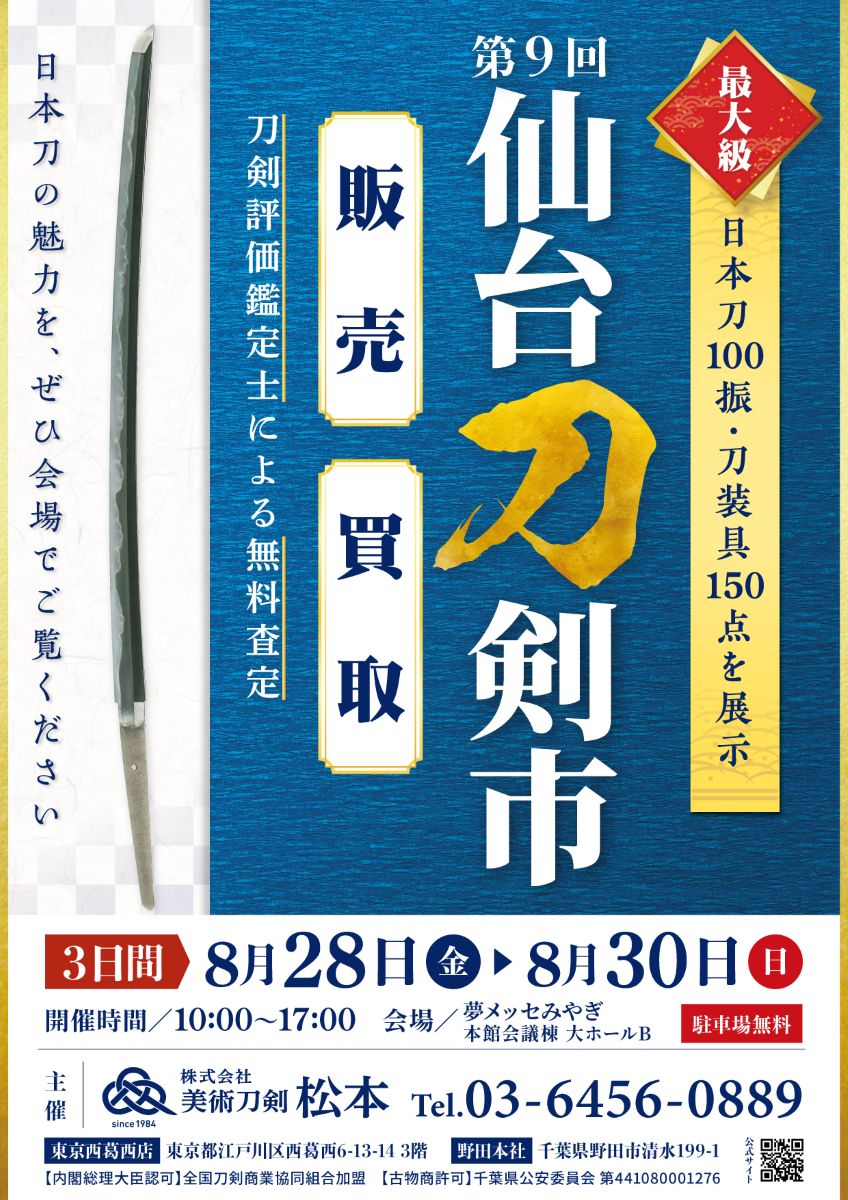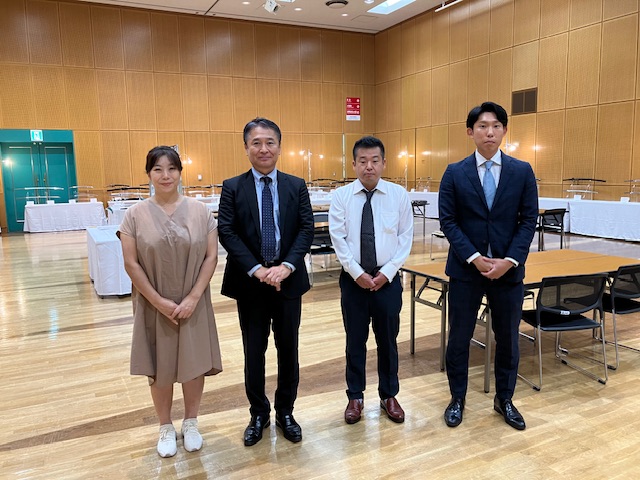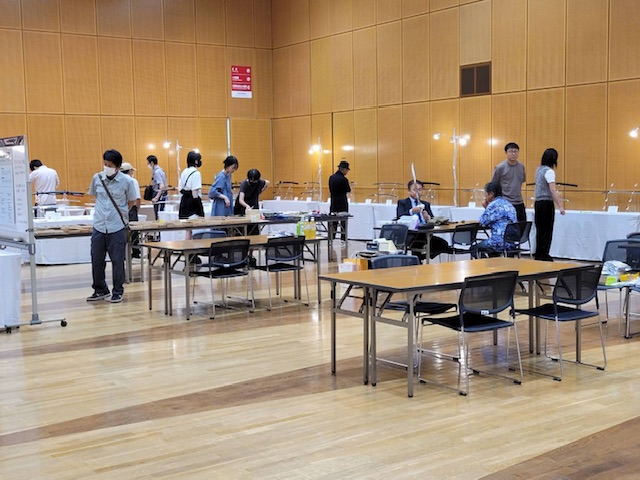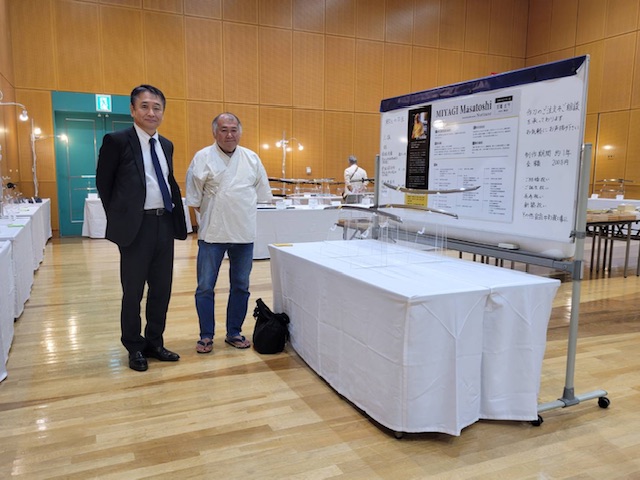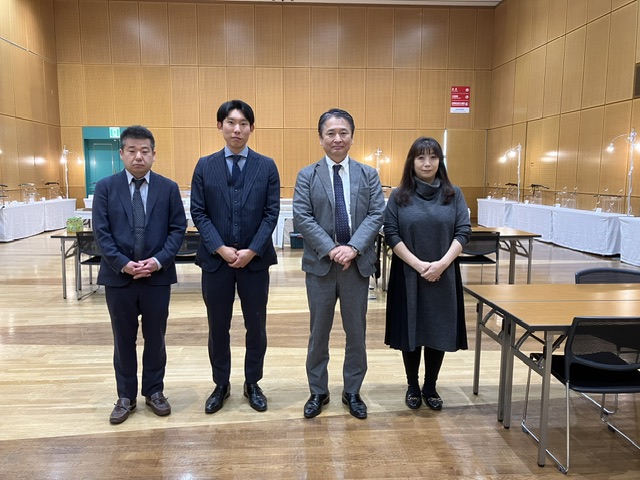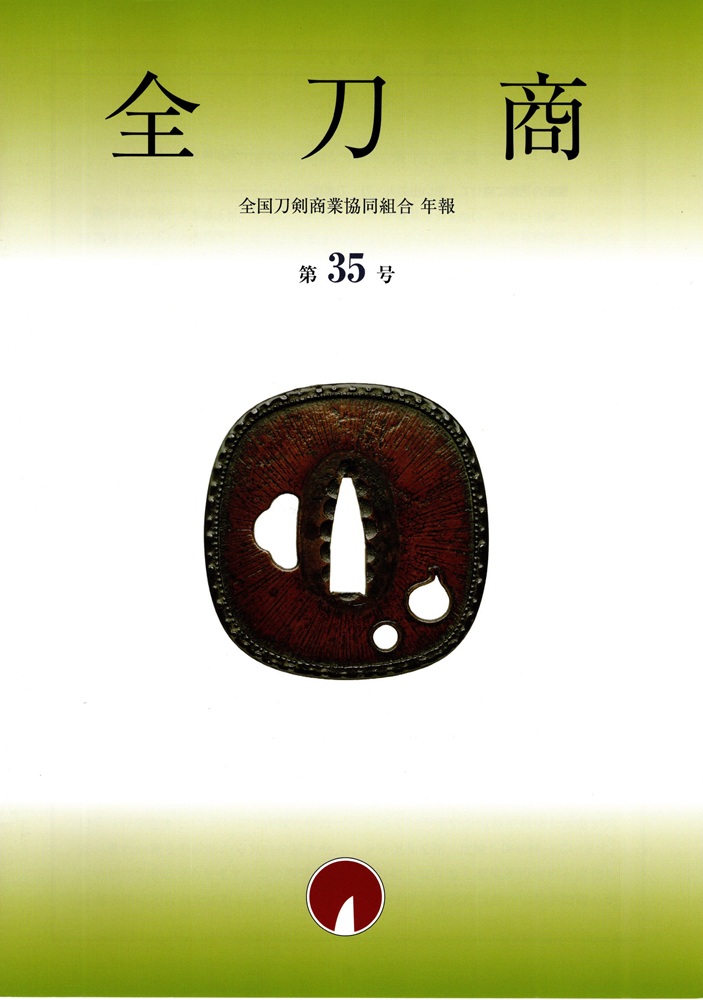
My essay, written in my capacity as a Director, was published in Issue No. 35 of “Zentōshō,” the annual publication of the All Japan Sword Dealers Association. I hope you will enjoy reading it.
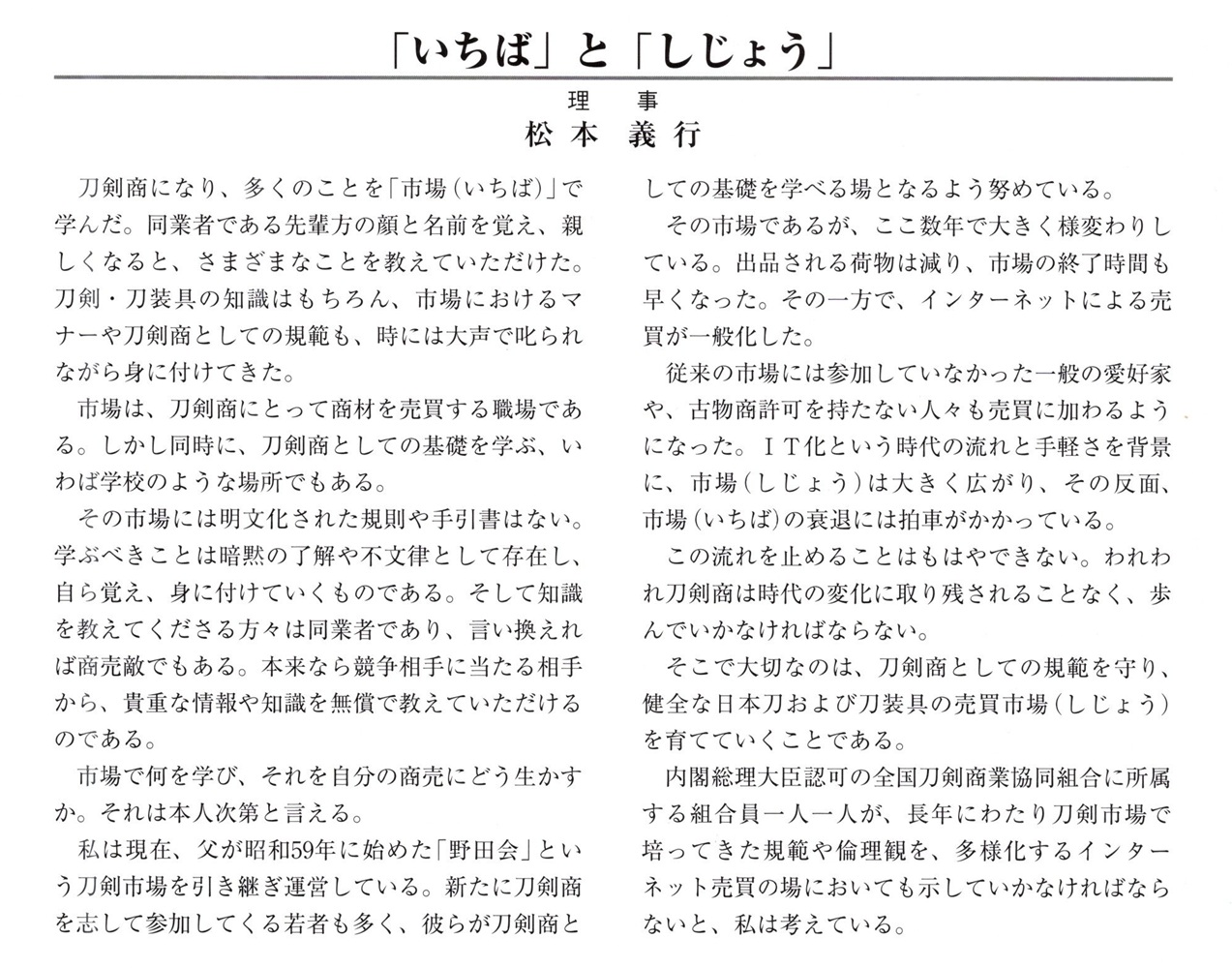
“ICHIBA” and “SHIJŌ”
— Sword Auctions and the Sword Market —
Director
Yoshiyuki Matsumoto
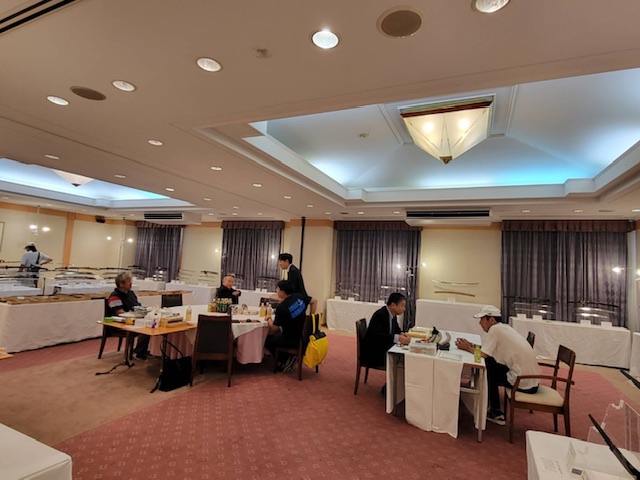
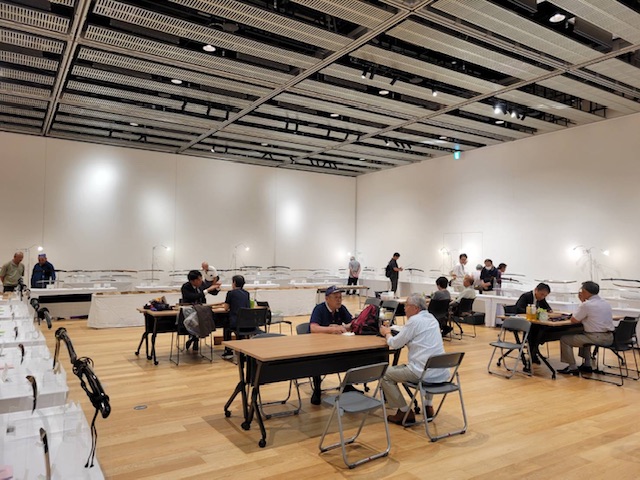
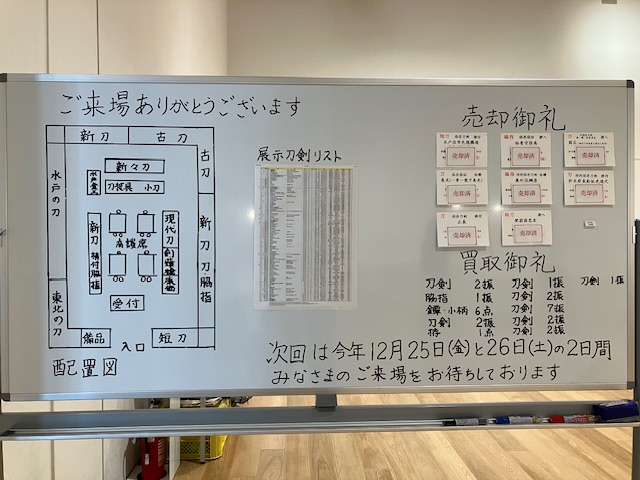
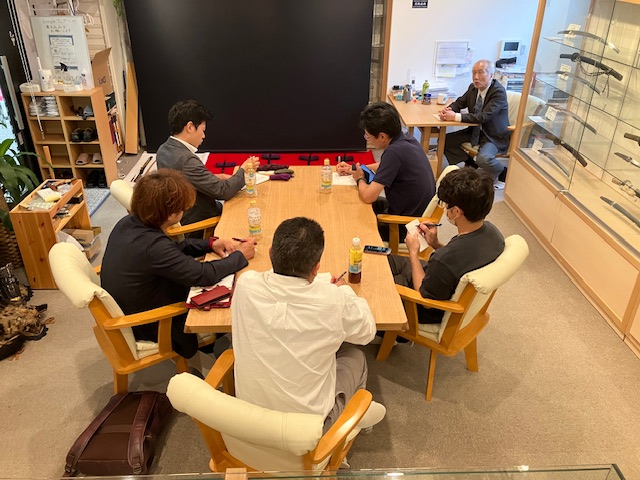
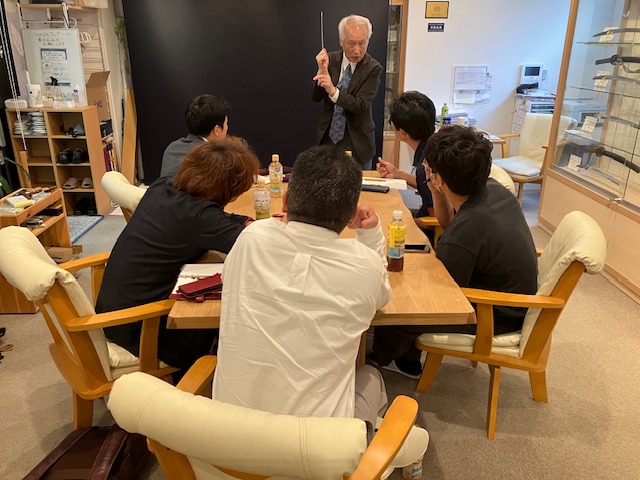
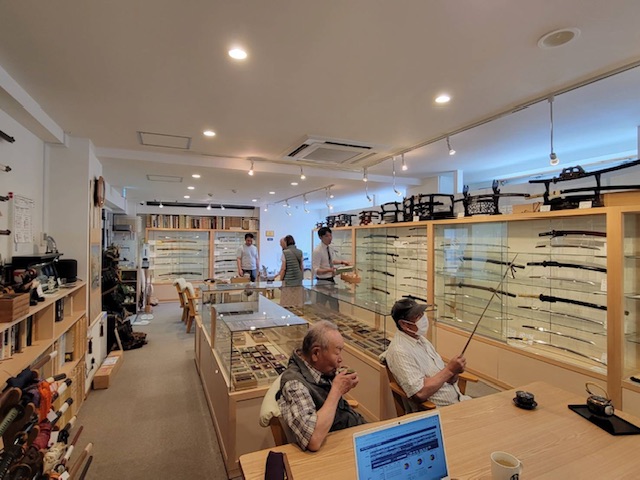
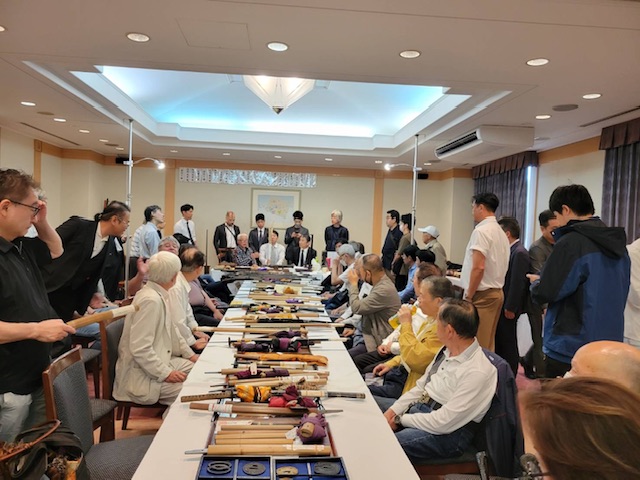
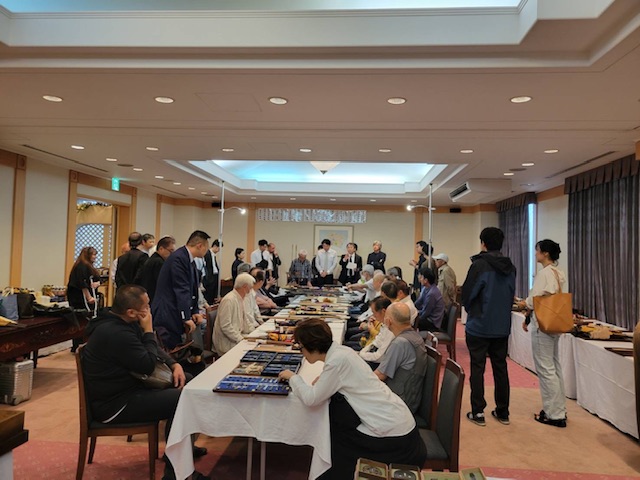
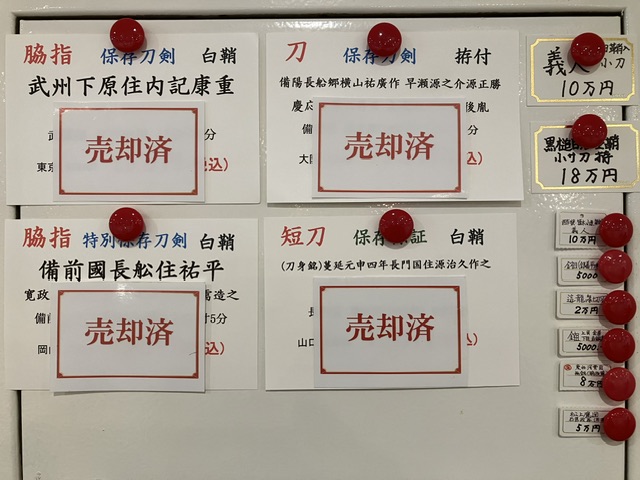
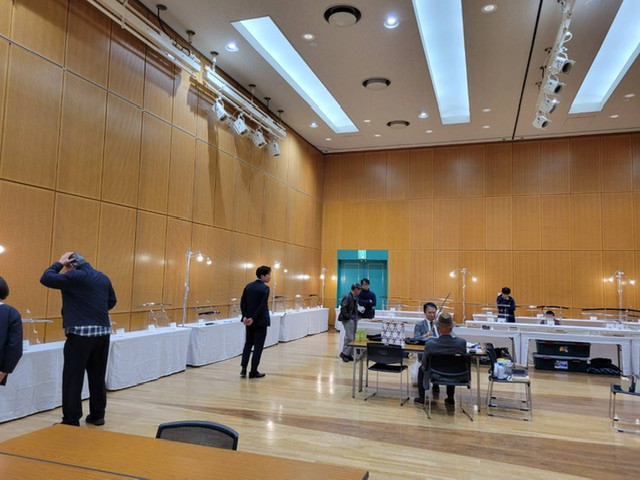
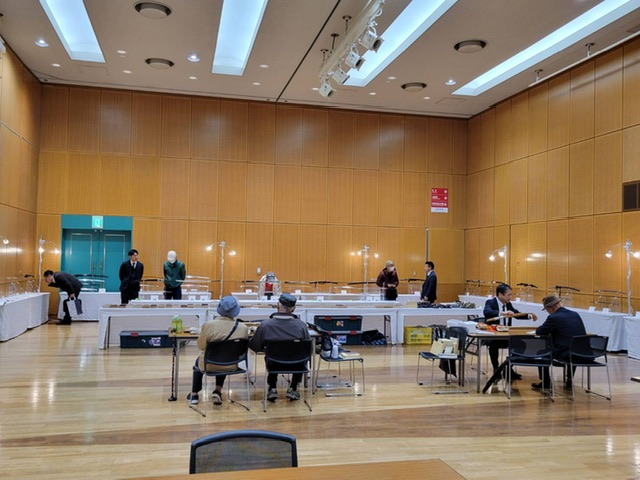
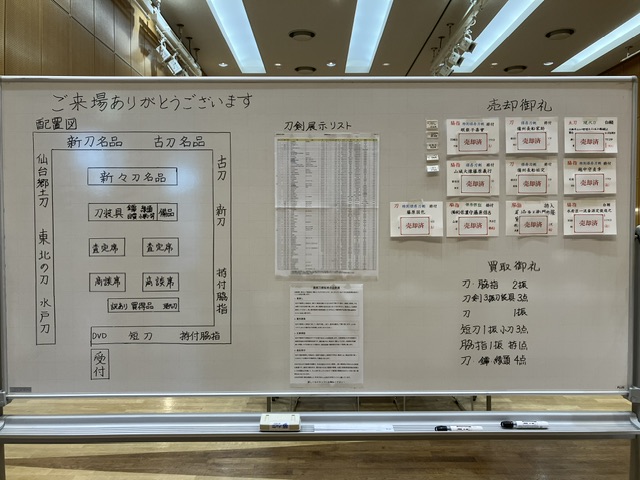
Since becoming a Japanese sword dealer, I have learned a great many things at the ichiba (sword auction). As I became acquainted and developed friendships with senior dealers in the profession, they taught me many things. In addition to knowledge of Japanese swords and sword fittings, I learned proper manners at the ichiba and the standards of conduct expected of a sword dealer, sometimes through stern reprimands. For a sword dealer, the ichiba is a workplace where merchandise is bought and sold. At the same time, however, it is also a place where one learns the fundamentals of the profession—a kind of school, so to speak. There are no written rules or manuals at the ichiba. What one is expected to learn exists as an unspoken understanding and as unwritten rules, which each dealer must learn and make part of himself. Moreover, those who teach us this knowledge are our fellow dealers—in other words, our business competitors. Normally, it would be difficult to imagine receiving valuable information and professional knowledge free of charge from one’s competitors. What one learns at the ichiba and how one makes use of that knowledge in one’s own business ultimately depends on the individual. Today, I operate the Nodakai Sword Auction, which my father established in 1984. Many young people aspiring to become sword dealers now participate, and I try to make it a place where they can learn the fundamentals of becoming professional sword dealers. The shijō (sword market), however, has changed considerably in recent years. Fewer items are being consigned to sword auctions, and the auctions themselves now finish earlier than they once did. At the same time, buying and selling through the Internet has become commonplace. Collectors who previously did not participate in traditional sword auctions, as well as people who do not hold an antiques dealer’s license, have also become involved in buying and selling. With the convenience of information technology and the changing times, the shijō has expanded greatly. On the other hand, the traditional ichiba has been declining. There is no longer any way to stop this trend. We sword dealers must not allow ourselves to be left behind by the changing times; we must move forward with them. What is important, therefore, is to uphold the standards of conduct expected of professional sword dealers and to foster a sound and trustworthy shijō for the buying and selling of Japanese swords and sword fittings. I believe that each and every member of the All Japan Sword Dealers Association, an association authorized by the Prime Minister of Japan, must demonstrate, even in the increasingly diverse world of Internet commerce, the professional standards and ethical values that sword dealers have cultivated over many years at the ichiba.