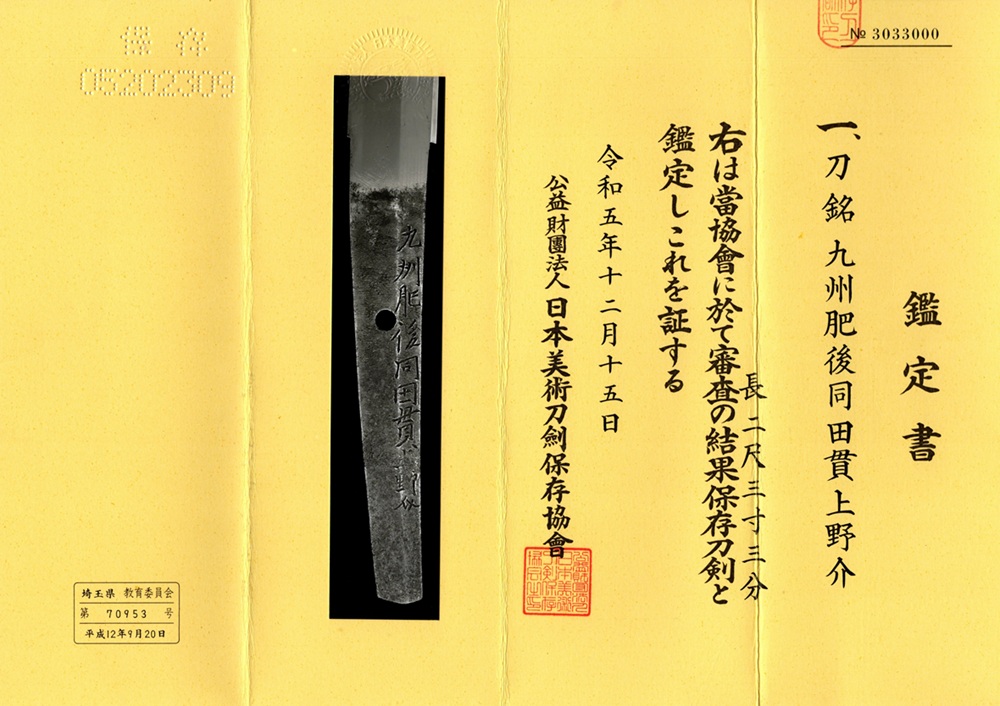
| Product No. KA-0817 九州肥後同田貫上野介 | |
|---|---|
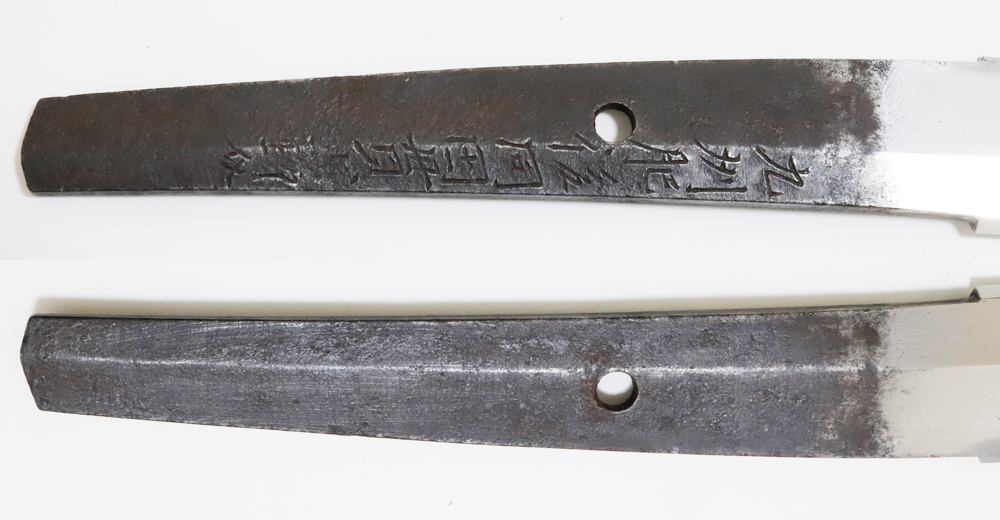
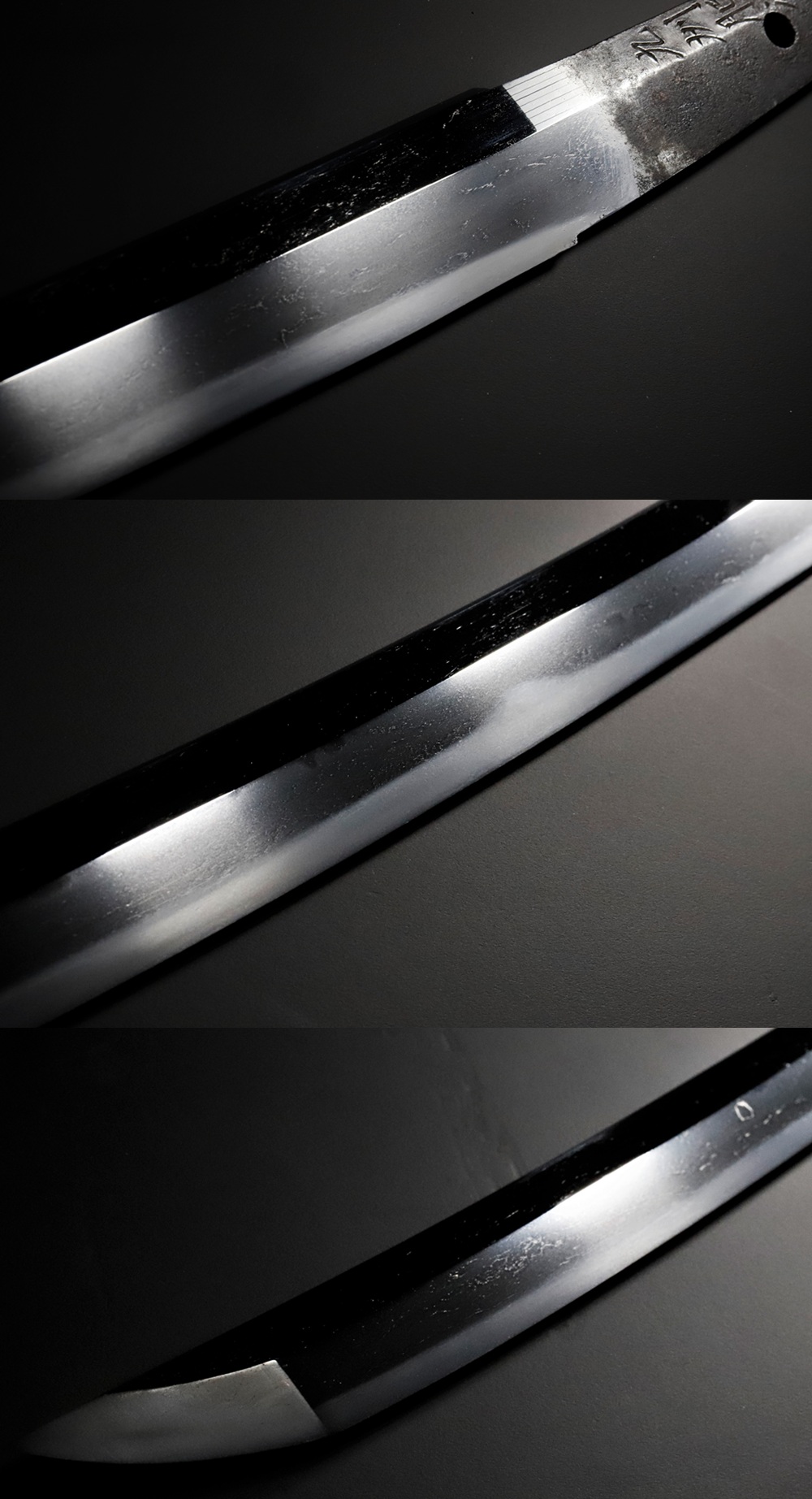
| Mei |
Dōtanuki Kōzuke no Suke of Higo Province, Kyushu Back: -- |
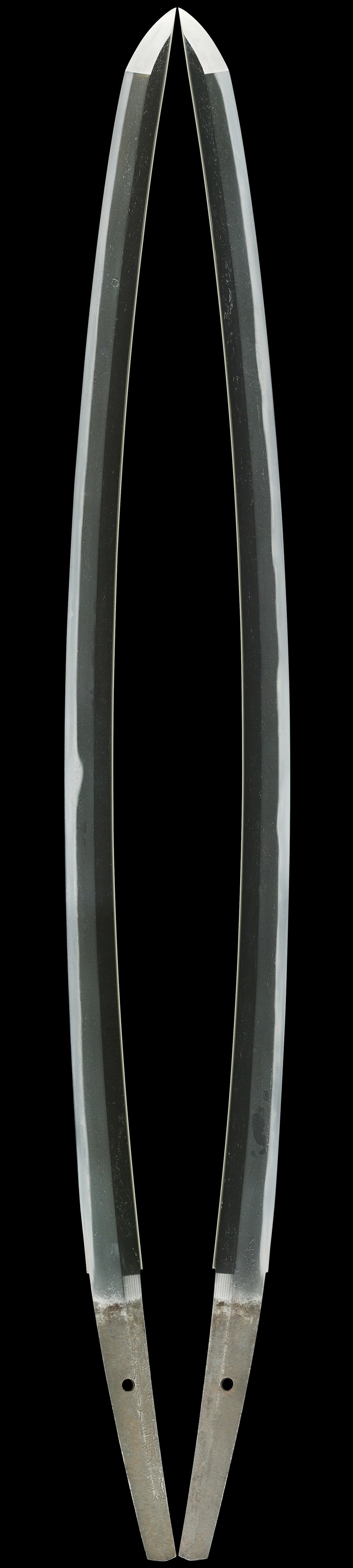
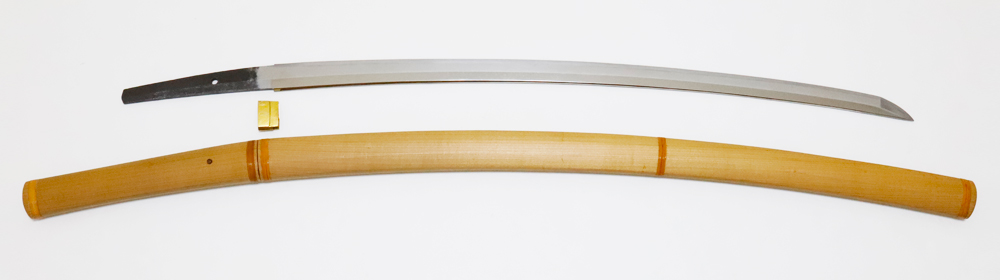
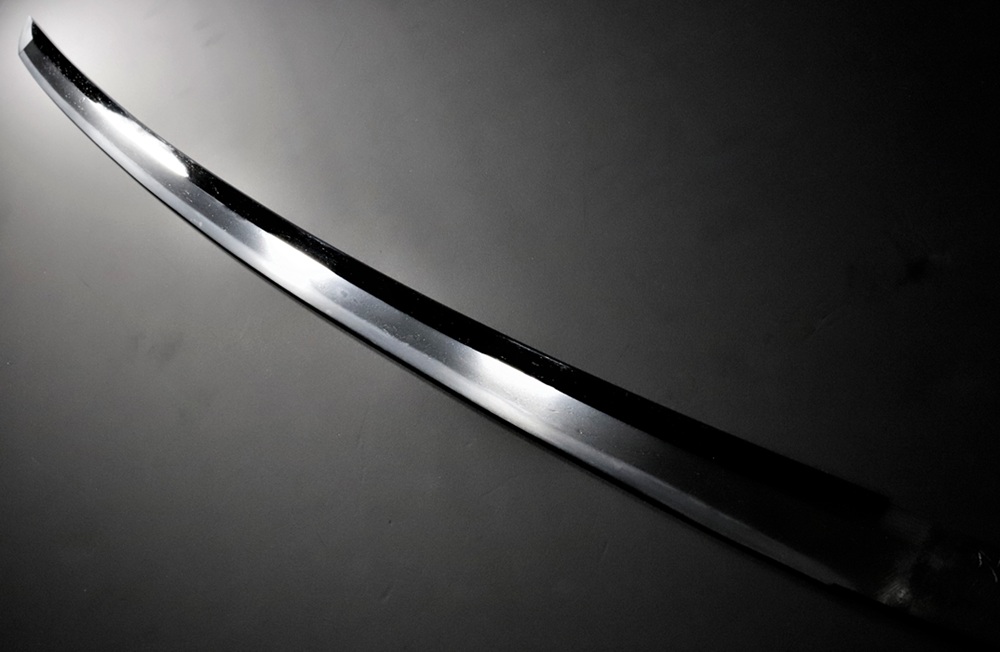
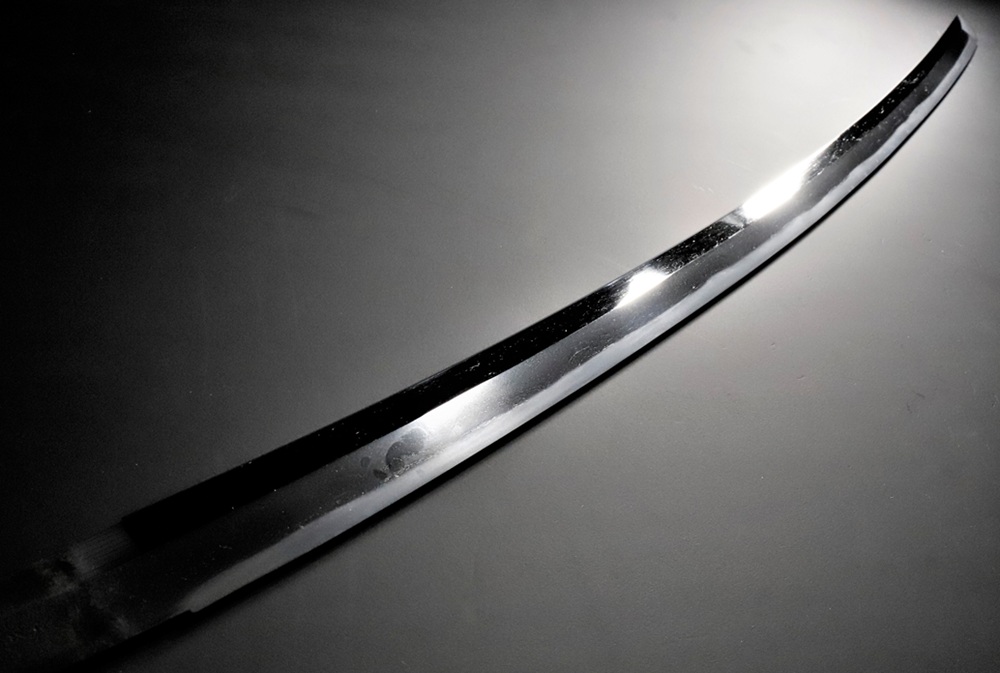
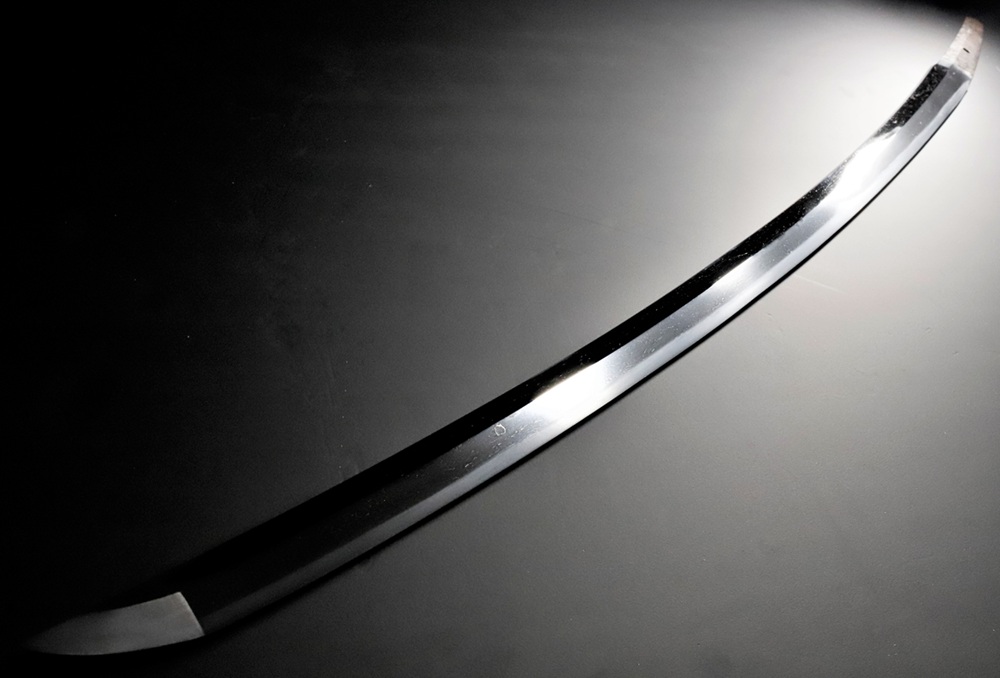
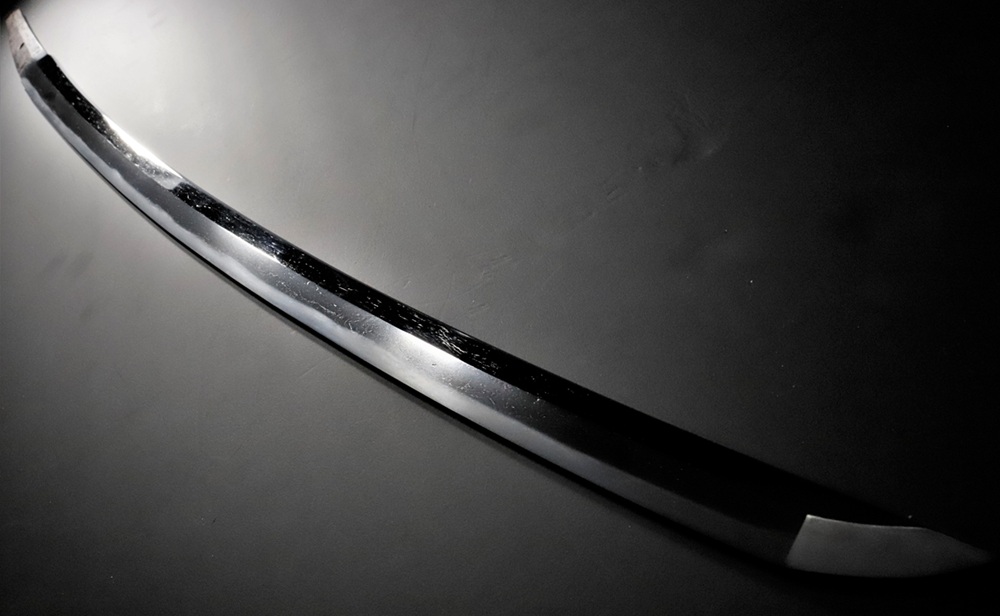
| Shape | Shinogi-zukuri construction with an iori-mune, featuring a slightly extended chū-kissaki. The blade has ample mihaba and kasane, with a pronounced sori, presenting a powerful overall shape. |
| Region | Higo Province |
| Era | Early Edo Period(around Keicho Era 1601-1615) |
| Length |
70.7 cm 27.8 in |
| Sori (curvature) |
2.5 cm 1.0 in |
| Motohaba |
3.2 cm 1.3 in |
| Sakihaba |
2.4 cm 0.9 in |
| Munekasane |
0.6 cm 0.2 in |
| Status | Hozon Token |
| Certification Date | December 15, 2023 |
| Registration Authority | Saitama Prefecture |
| Registration Date | September 20, 2000 |
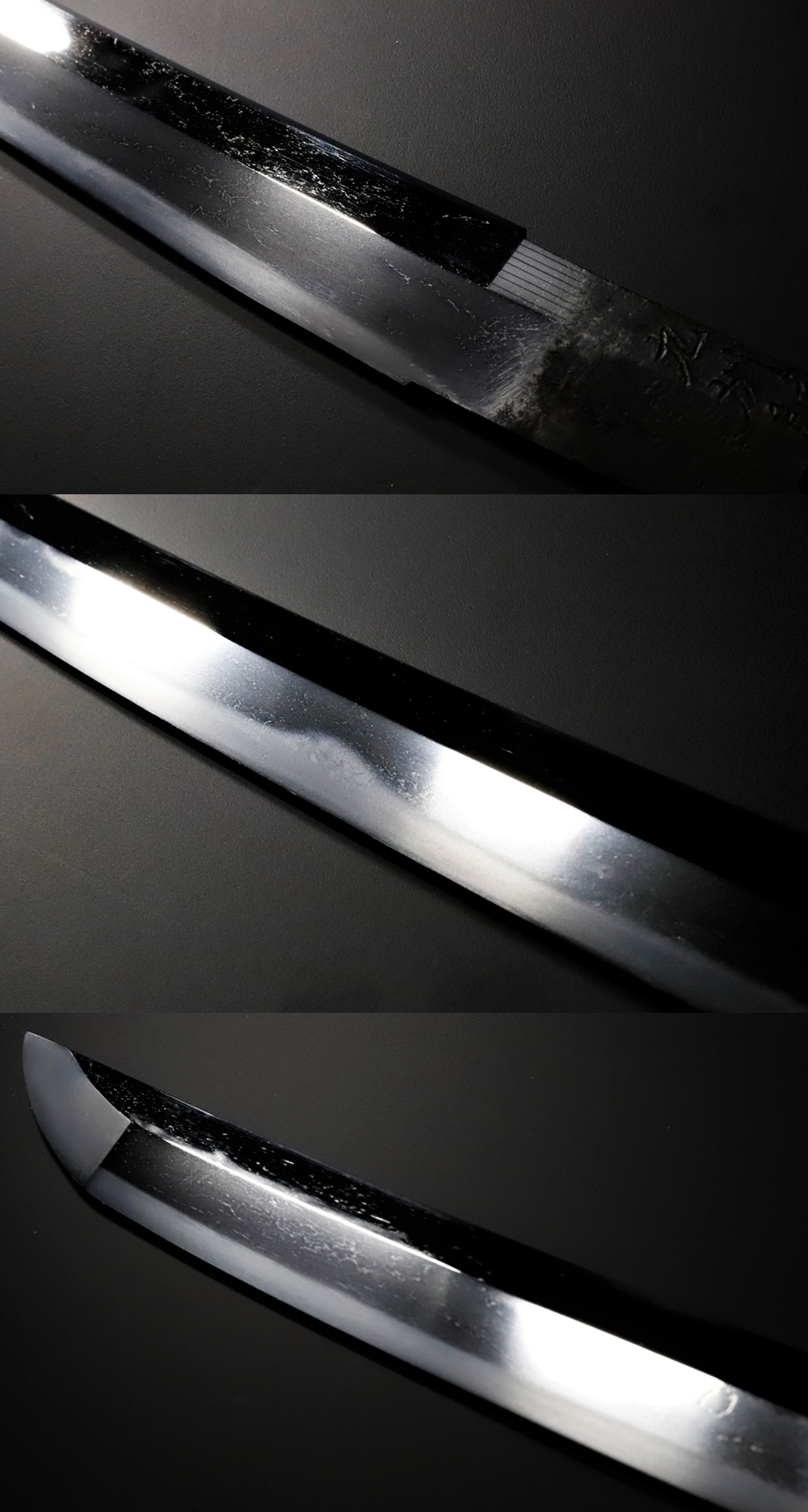
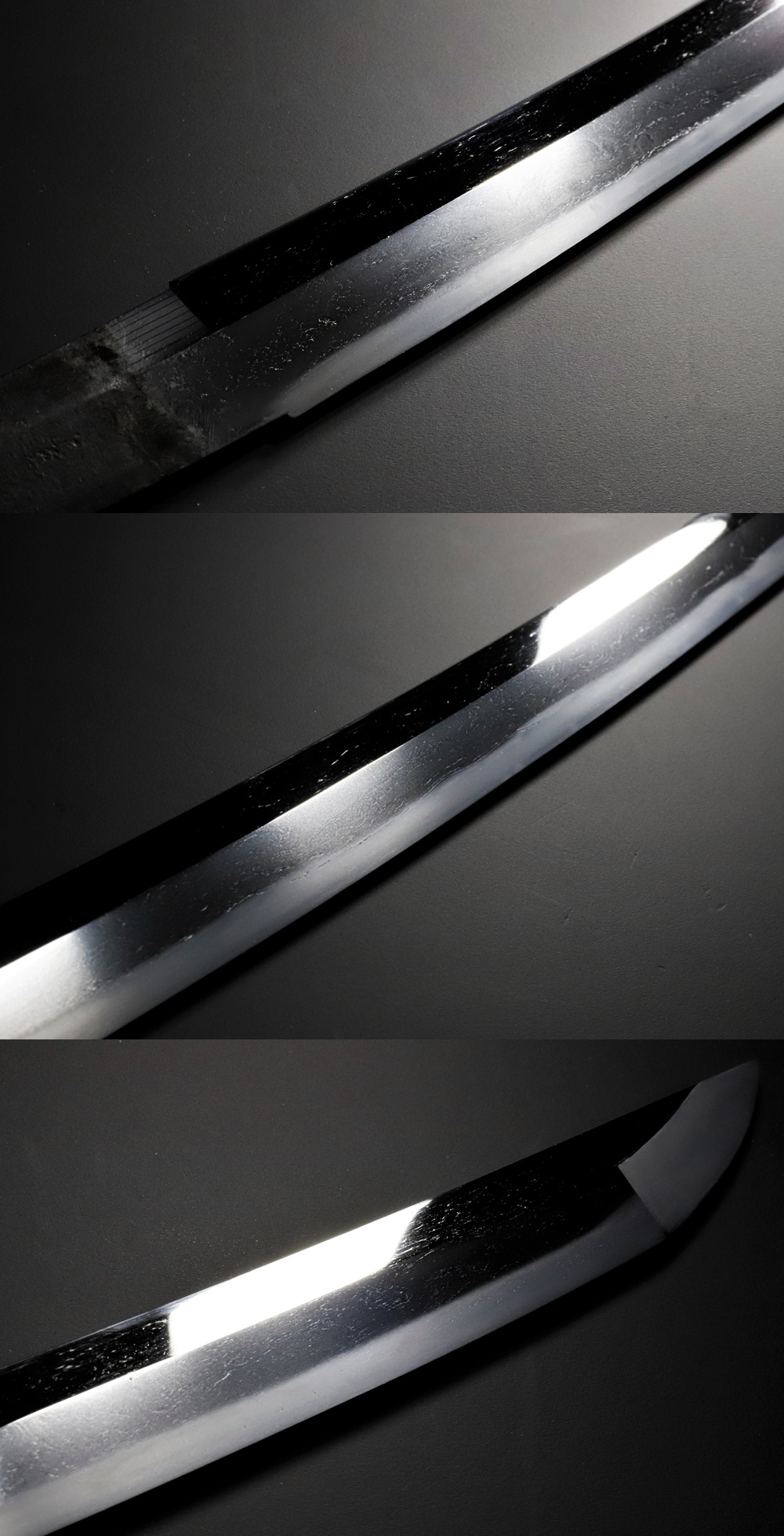
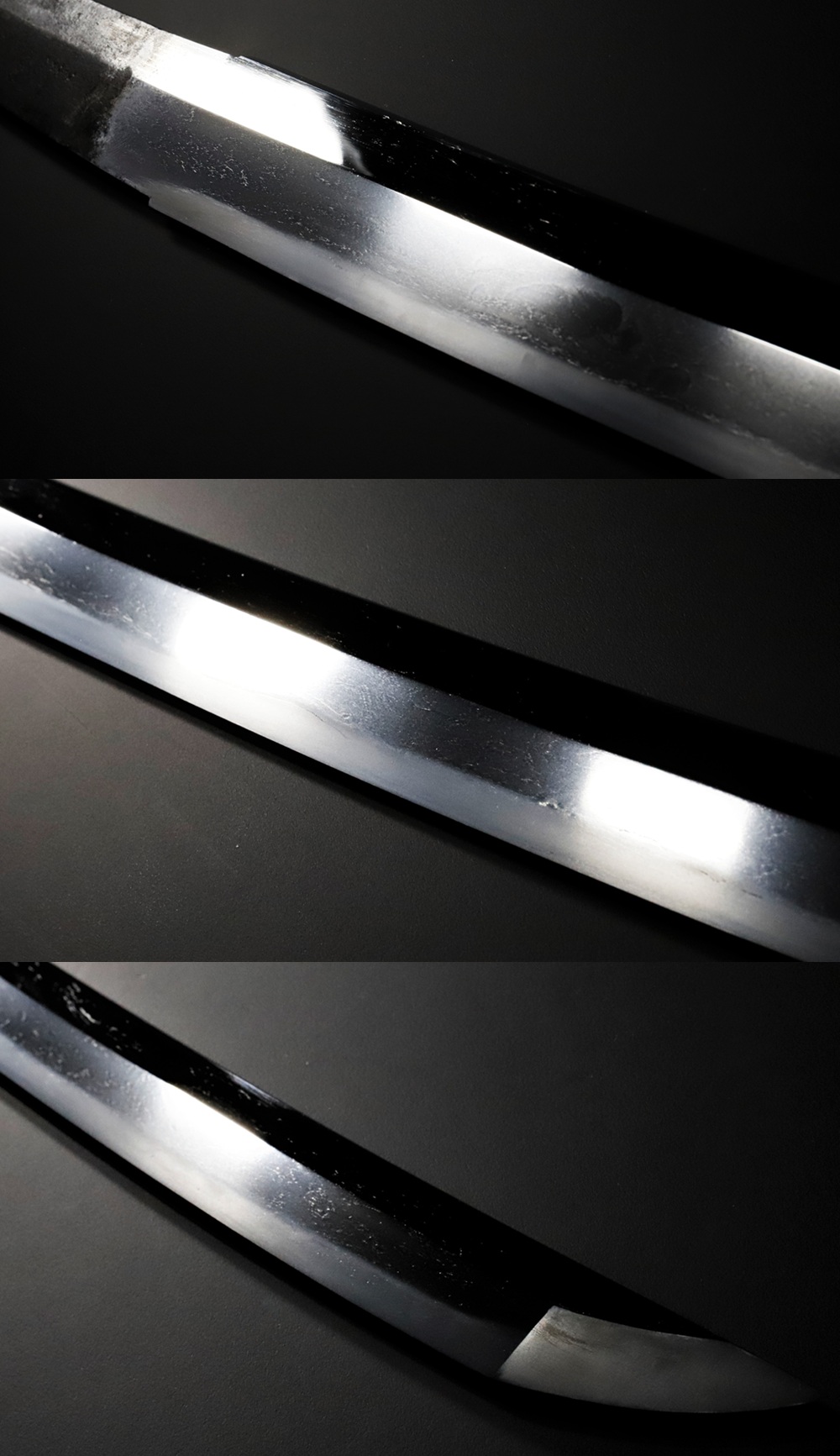
| Jihada (Metal pattern) | The itame hada is tightly forged and shows a flowing pattern |
| Hamon (Temper line) | A suguha hamon mixed with small gunome, with tobiyaki visible |
| Bōshi (Point / Tip) | Covered with nie, the boshi turns back in a slightly hakikake manner |
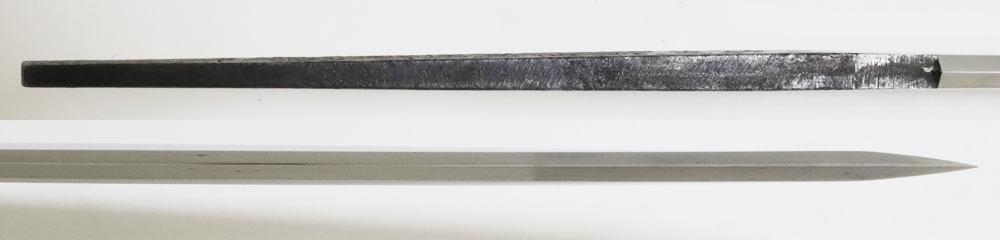
| Nakago (Tang) | Ubu nakago with kiri yasurime and a shallow kurijiri |
| Mekugiana (Rivet holes) | 1 |
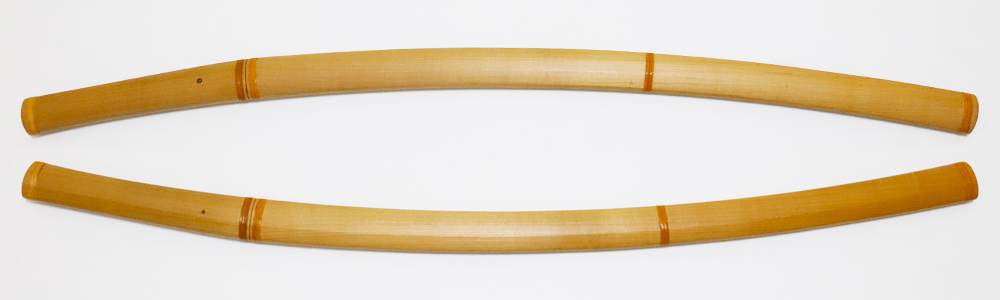
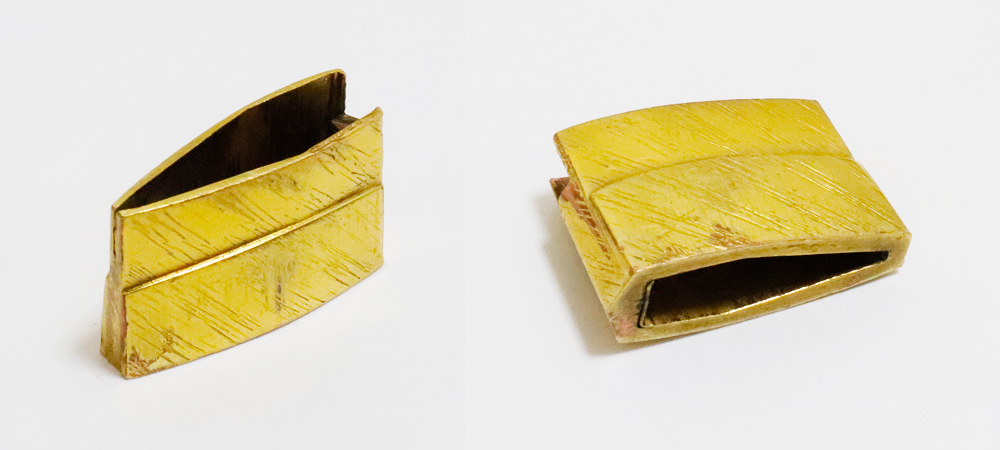
| Habaki | A copper habaki with gold plating, featuring diagonal yasurime in the Etchū style |
Price |
1,000,000 JPY |
| Dōtanuki is said to descend from the Enju school, founded by the master smith Enju Kunimura, who moved from Yamashiro Province (Kyoto) to Higo at the invitation of the Kikuchi clan—powerful shugo of Higo in the late Kamakura period (around the Gen’ō era). The Enju tradition flourished in Higo and is regarded as the origin of the Dōtanuki lineage.The smith Dōtanuki Kōzuke no Suke represented in this work is identified as Dōtanuki Kōzuke no Suke Masakuni, the first-generation master of the Dōtanuki school, who typically signed simply “Dōtanuki Kōzuke no Suke.” He is said to have been born in Hiekata, Jōhoku Village, Kikuchi District, Higo Province, where the place name “Dōtanuki” is associated. His elder brother was named Kiyokuni, and it is traditionally believed that the brothers each received one character from the name of Katō Kiyomasa.Masakuni was retained by Katō Kiyomasa and granted a stipend of 1,000 koku, serving as an official swordsmith of Kumamoto Castle. His workmanship is distinctly practical and battle-oriented, characterized by robust construction and exceptional cutting ability. He is highly praised as a leading figure of the Dōtanuki school, with sayings such as “Dōtanuki—neither breaks nor bends” and “Kabuto-wari Masakuni” (Masakuni, the helmet-splitter). He is also well known for having accompanied Kiyomasa during the Bunroku–Keichō campaigns in Korea, where he forged Japanese swords in Busan.There are said to be over fifty swordsmiths who used the name Dōtanuki, including collateral lines. Among the most notable are the first-generation Kōzuke no Suke Masakuni, the ninth-generation Yamato no Kami Masakatsu, the tenth-generation Enju Tarō Munehiro, and the eleventh-generation Enju Tarō Muneharu. Of these, the first-generation Masakuni stands out in both popularity and evaluation.This blade is a powerful uchigatana with a cutting edge length of 2 shaku 3 sun 3 bu. While there is some reduction from polishing, there is also a flaw at the monouchi on the sashiomote side. Despite this, it remains a strong and characteristic work forged by Dōtanuki Kōzuke no Suke. It passed the NBTHK Hozon Token shinsa in 2023. |

 Search