| Product No. KA-0830 任命屈 | |
|---|---|
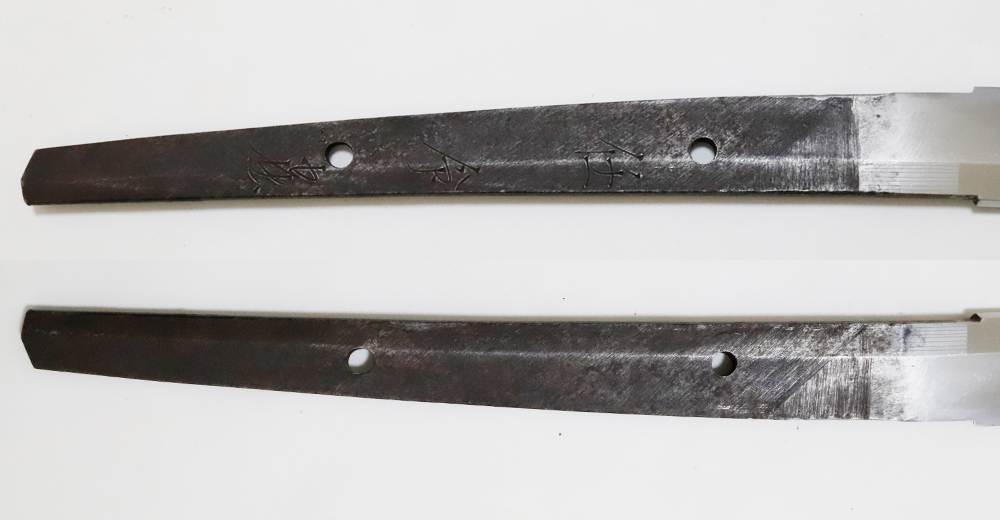
| Mei |
Ninmeikutsu Back: -- |
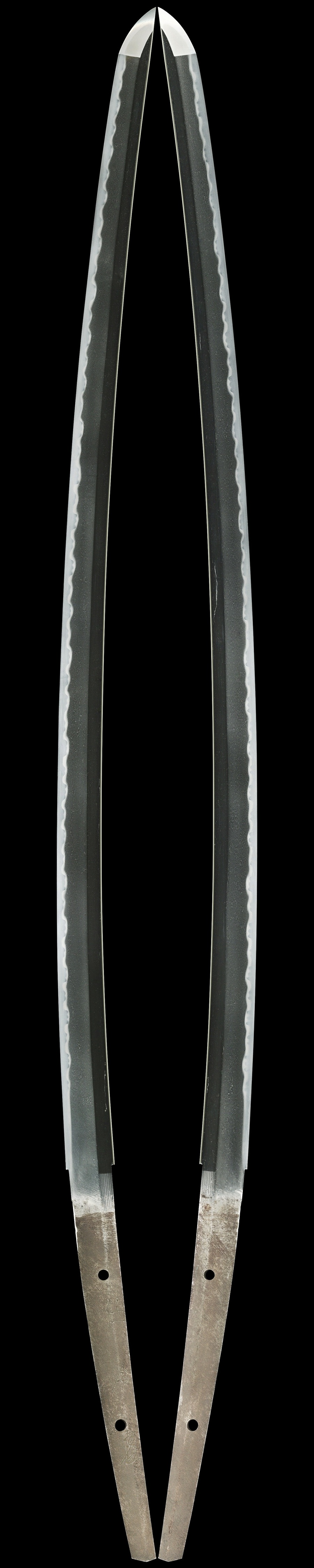
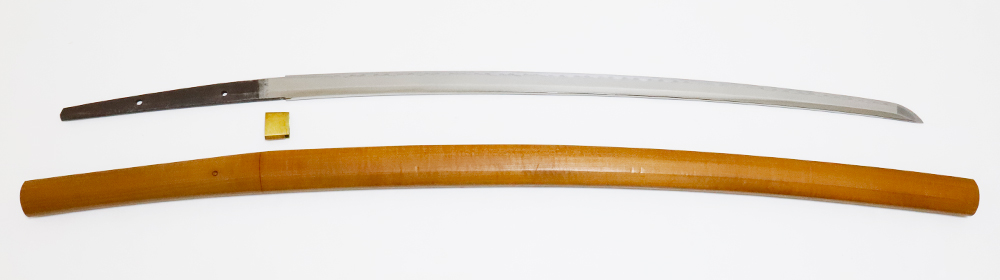
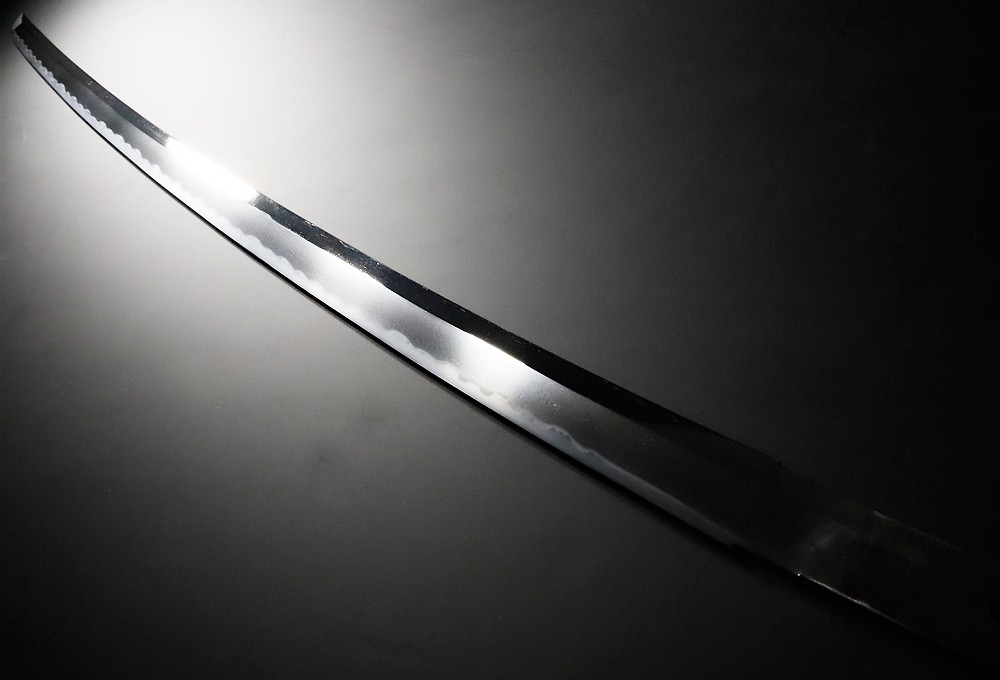
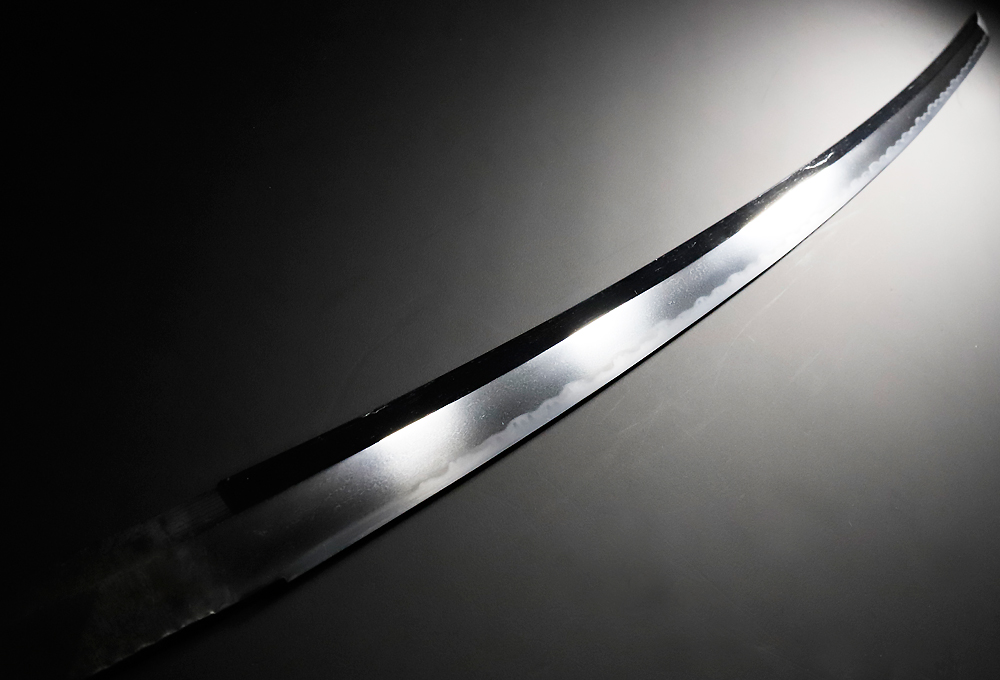
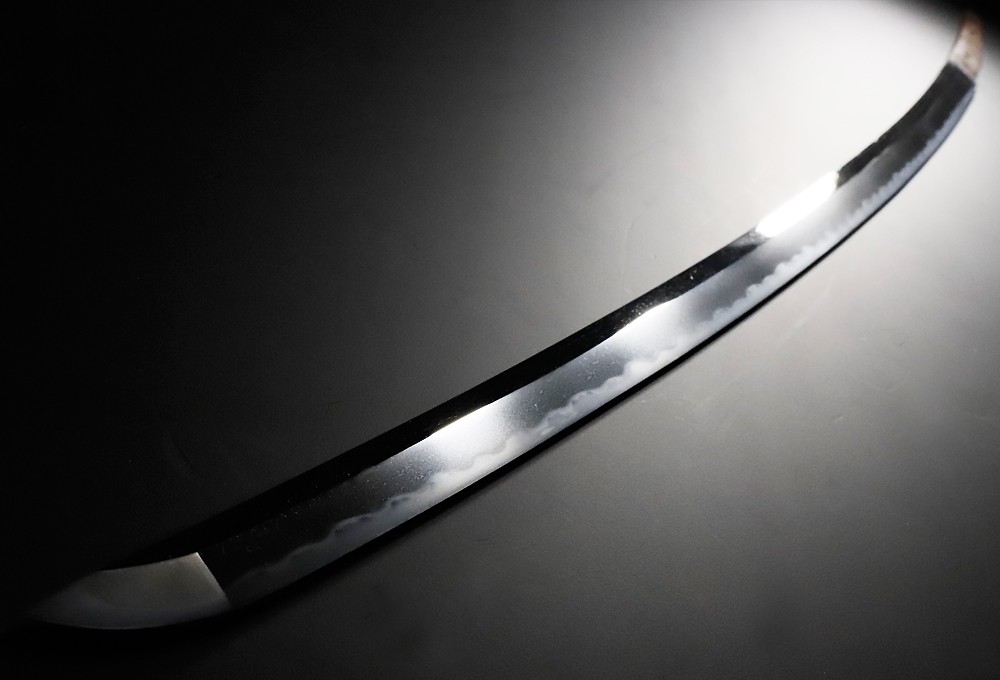
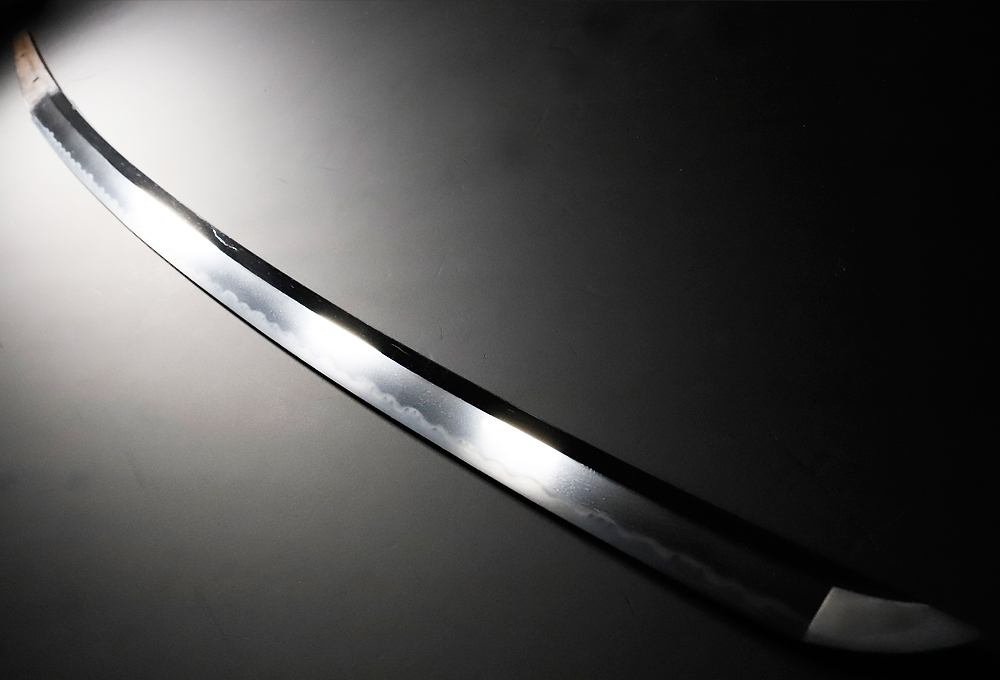
| Shape | Shinogi-zukuri with an iori-mune and a medium kissaki, having ample mihaba and kasane with a moderate sori, creating a graceful and elongated appearance |
| Region | Inaba Province |
| Era | Late Edo Period |
| Length |
73 cm 28.7 in |
| Sori (curvature) |
1.8 cm 0.7 in |
| Motohaba |
3 cm 1.2 in |
| Sakihaba |
2 cm 0.8 in |
| Munekasane |
0.8 cm 0.3 in |
| Status | Hozon Token |
| Registration Authority | Kanagawa Prefecture |
| Registration Date | March 02, 1977 |
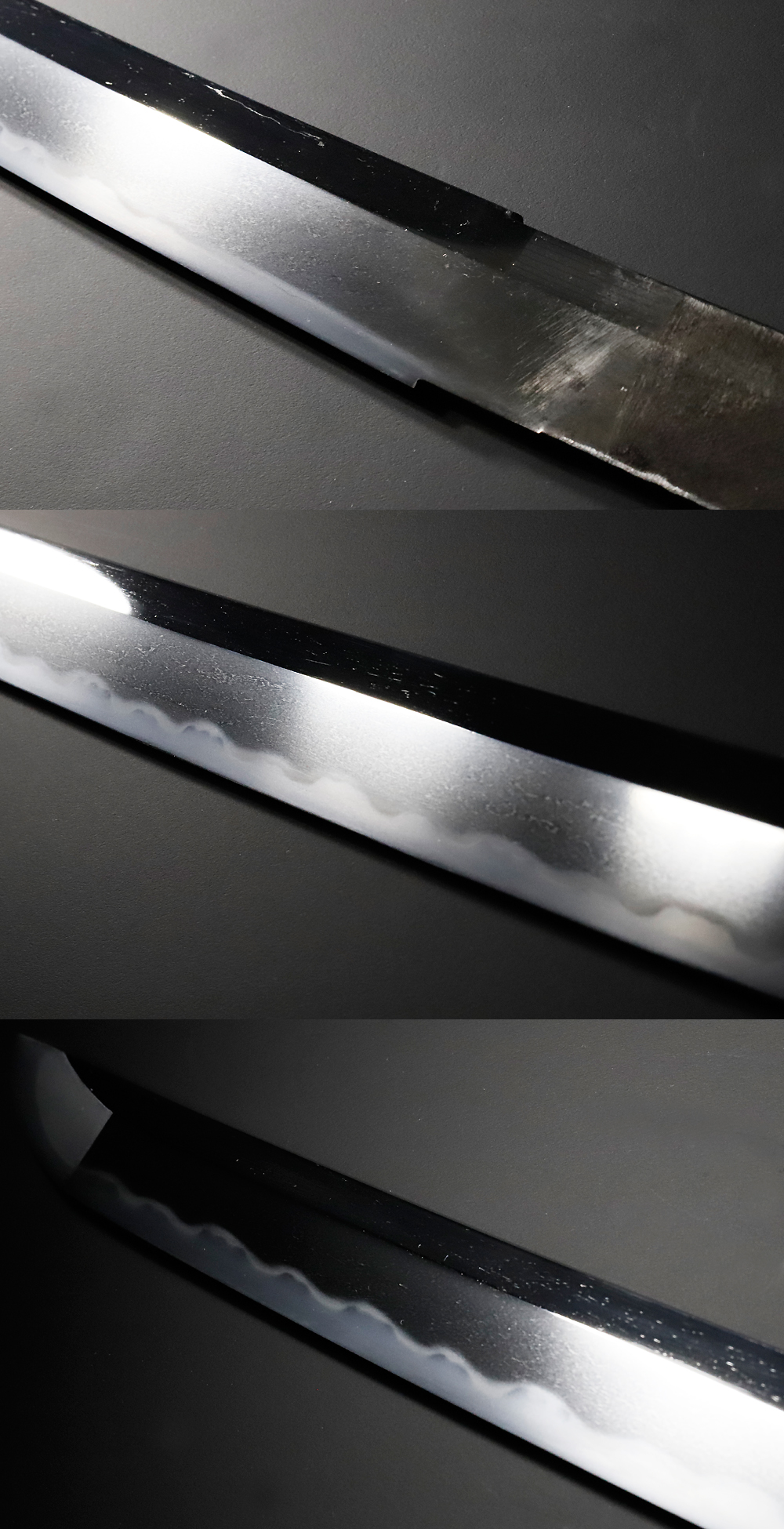
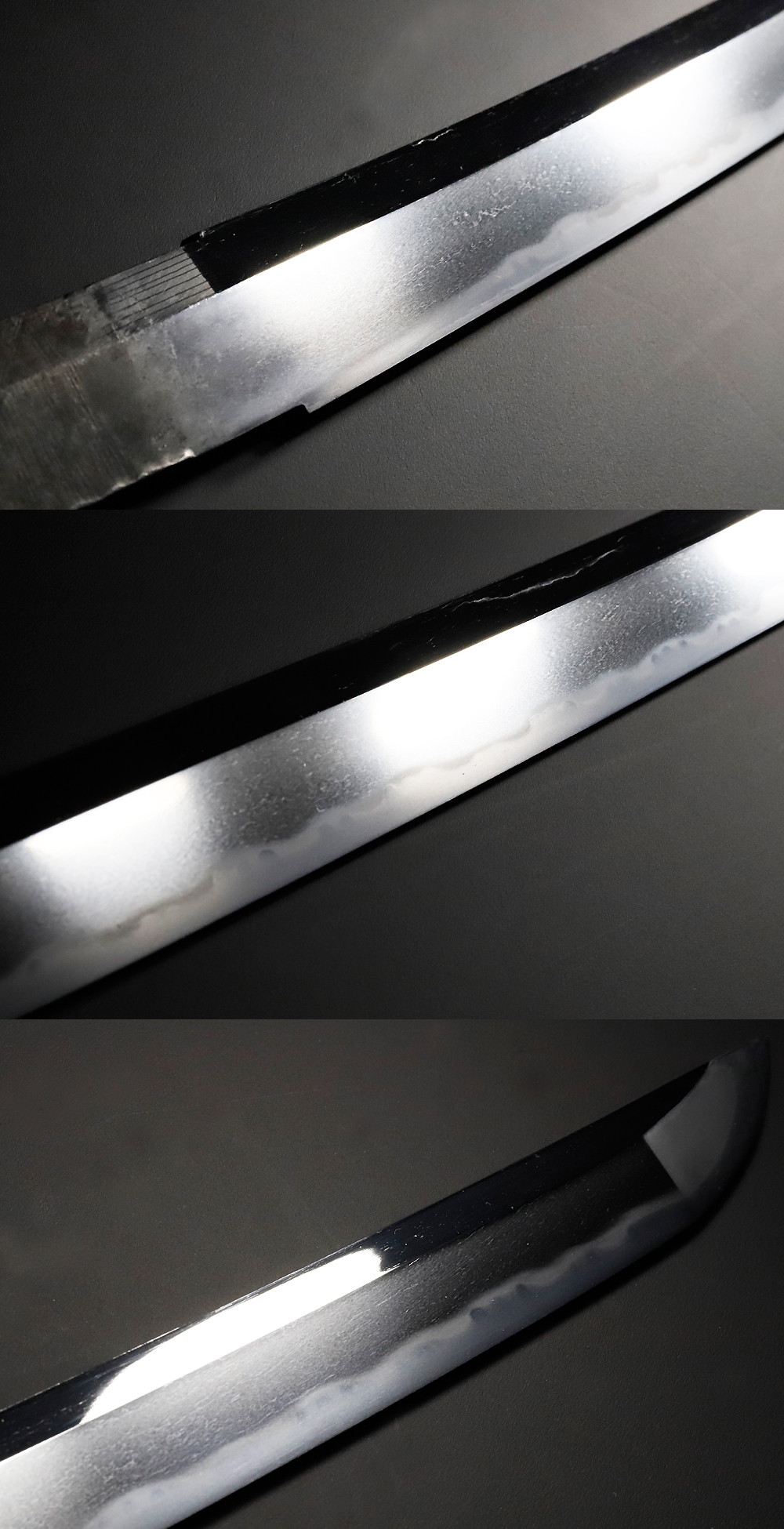
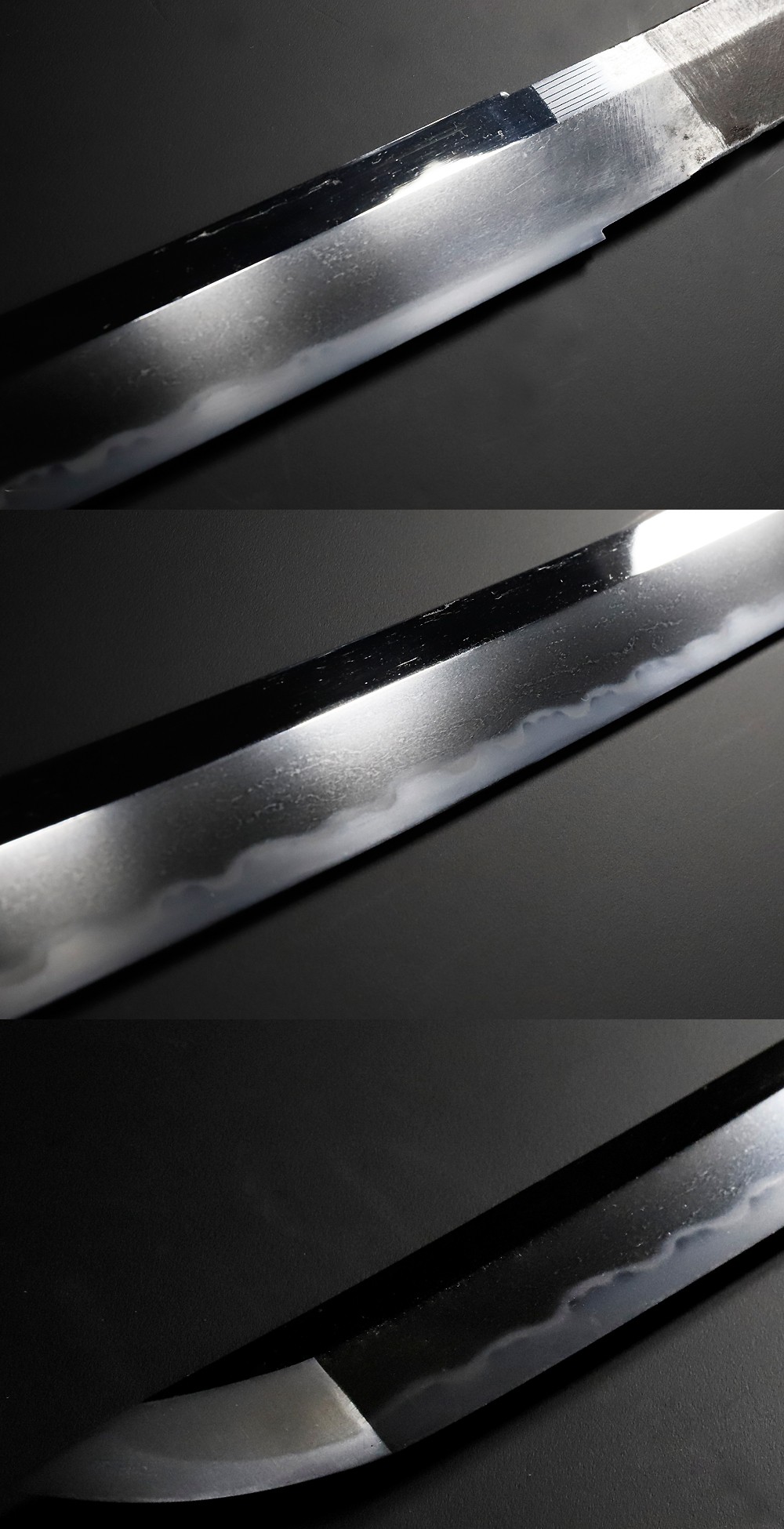
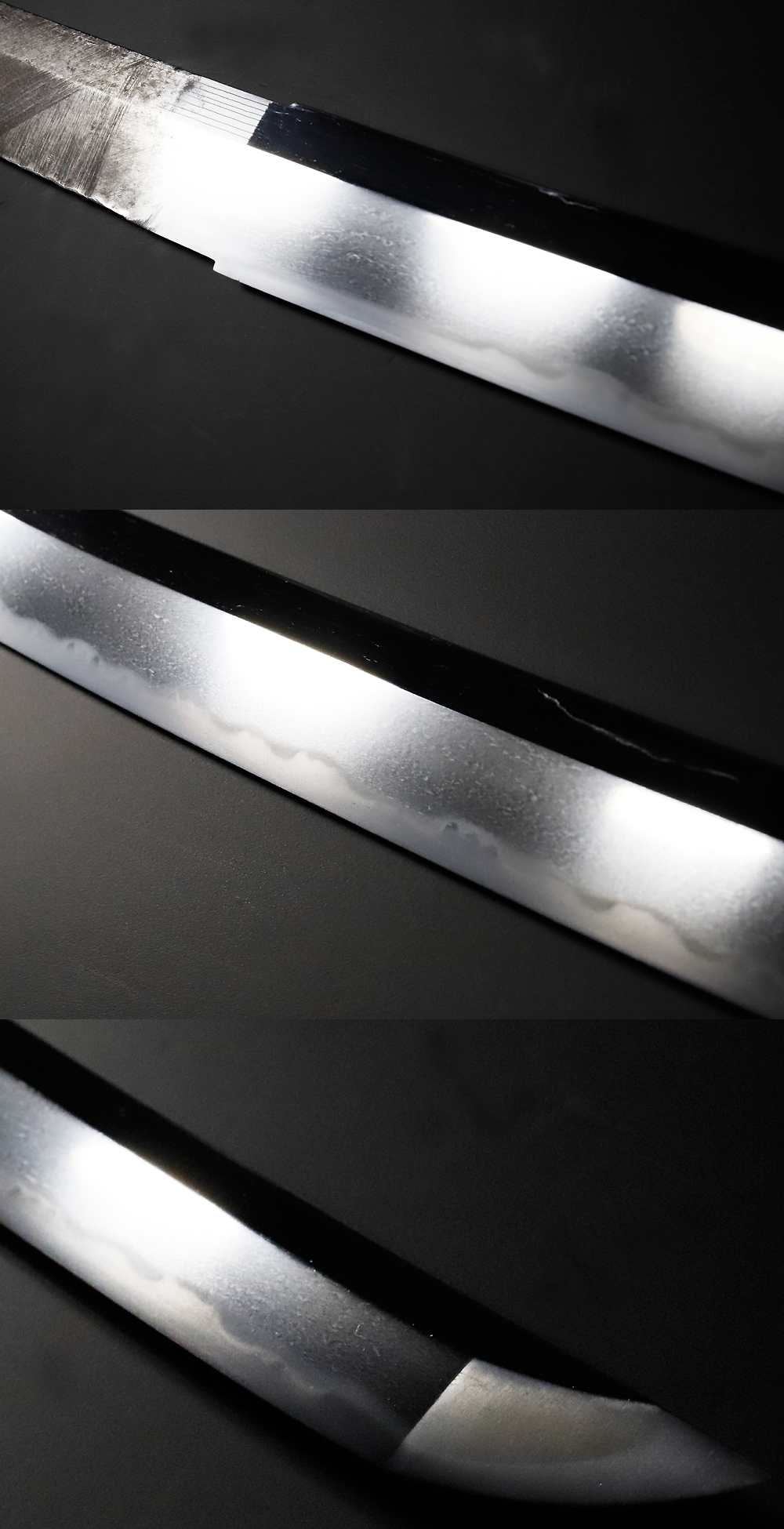
| Jihada (Metal pattern) | A tightly forged itame hada with ji-nie and chikei |
| Hamon (Temper line) | A nioi-deki gentle gunome-midare hamon with a sugu yakidashi, featuring groups of two and three connected gunome with open bases |
| Bōshi (Point / Tip) | The boshi is sugu with a small round turnback returning briefly |
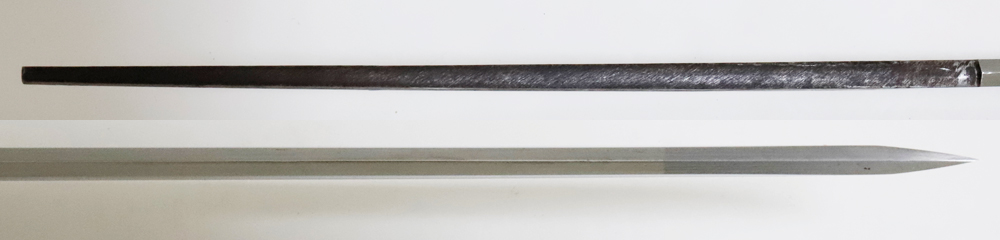
| Nakago (Tang) | Ubu, with kesho-sujikai yasurime and a shallow iriyamagata end |
| Mekugiana (Rivet holes) | 2 |
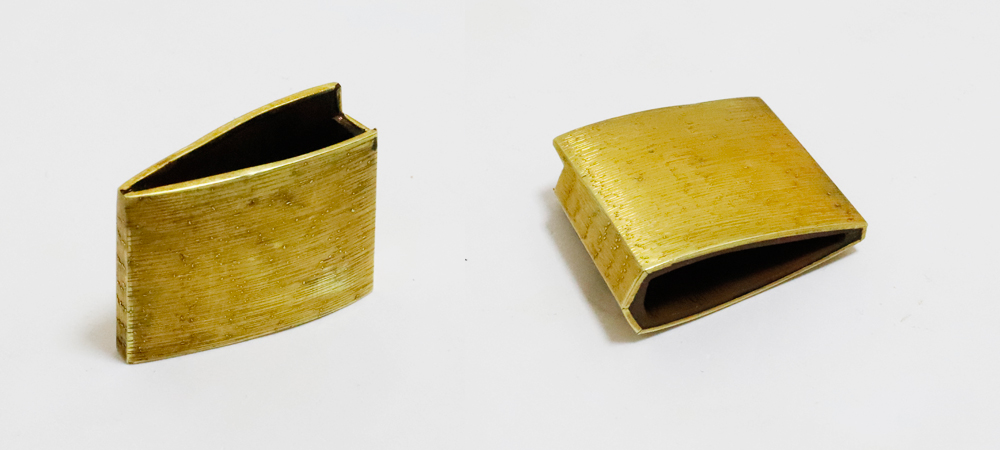
| Habaki | A plain copper habaki with gold foil covering and yokoyasuri finish |
Price |
450,000 JPY |
| Although little is known about the unusual signature ‘Ninmeikutsu,’ the workmanship of this blade strongly reflects the characteristics of the Inshu Hamabe school. The tightly forged jigane and the Bizen-style nioi-deki hamon with a sugu yakidashi, featuring groups of two and three connected gunome with open bases, together with the sugu boshi with a turnback, are typical features of this school. For this reason, the smith signing ‘Ninmeikutsu’ is thought to have been connected to the same school. This blade passed the Hozon Token shinsa in December 2025, with the additional attribution “Inaba / Shinshinto. |

 Search