| Product No. WA-0845 鳥海麿正峯 | |
|---|---|
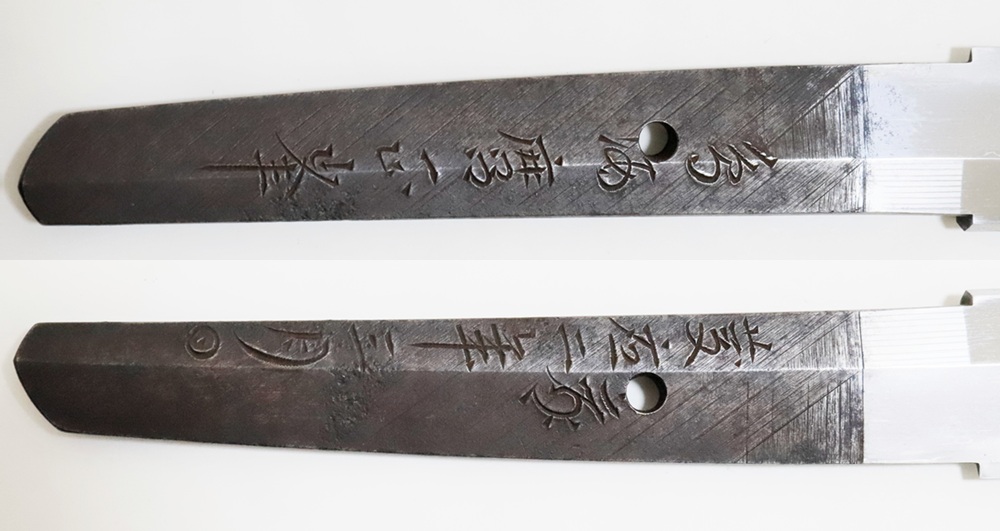
| Mei |
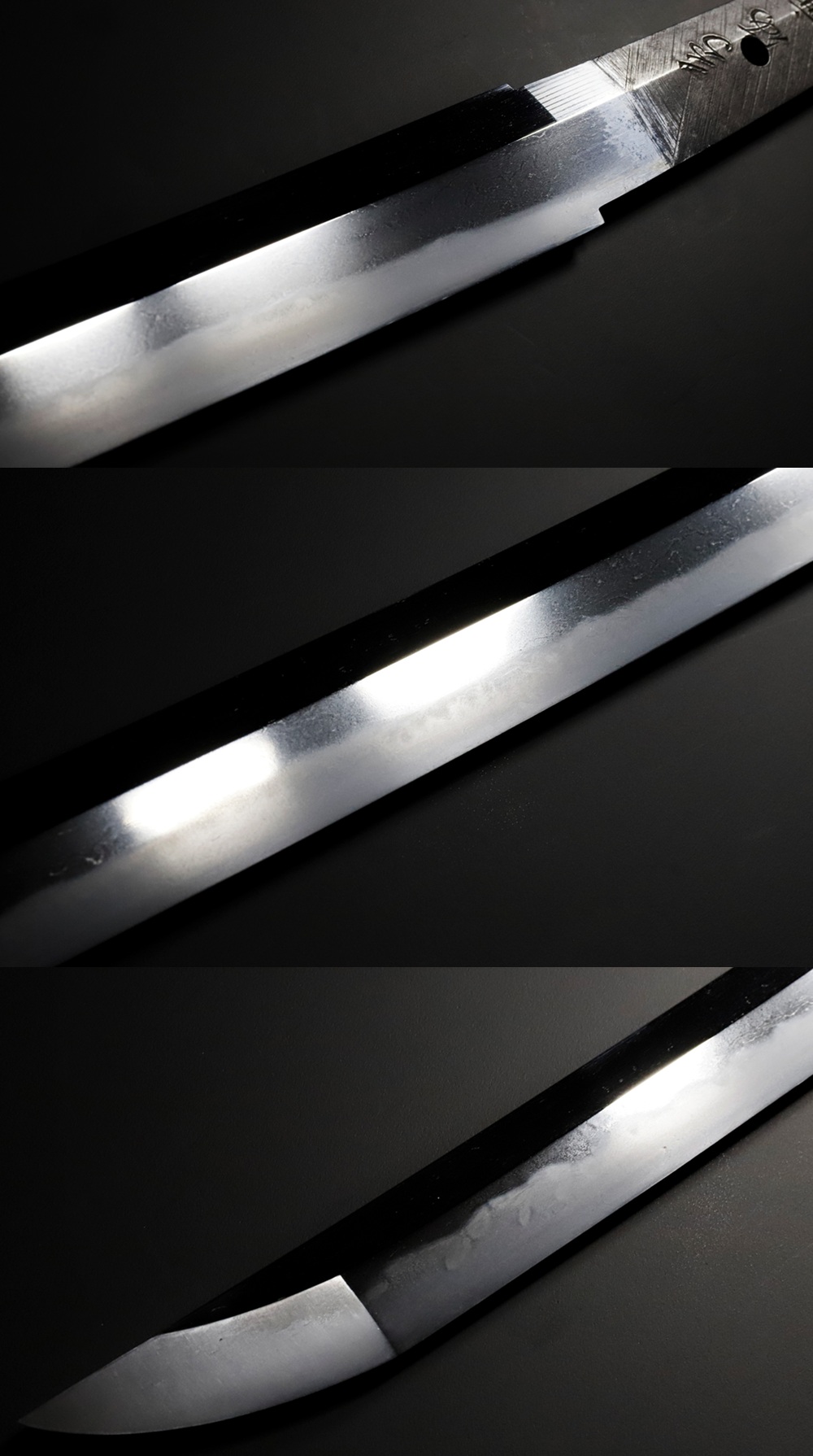
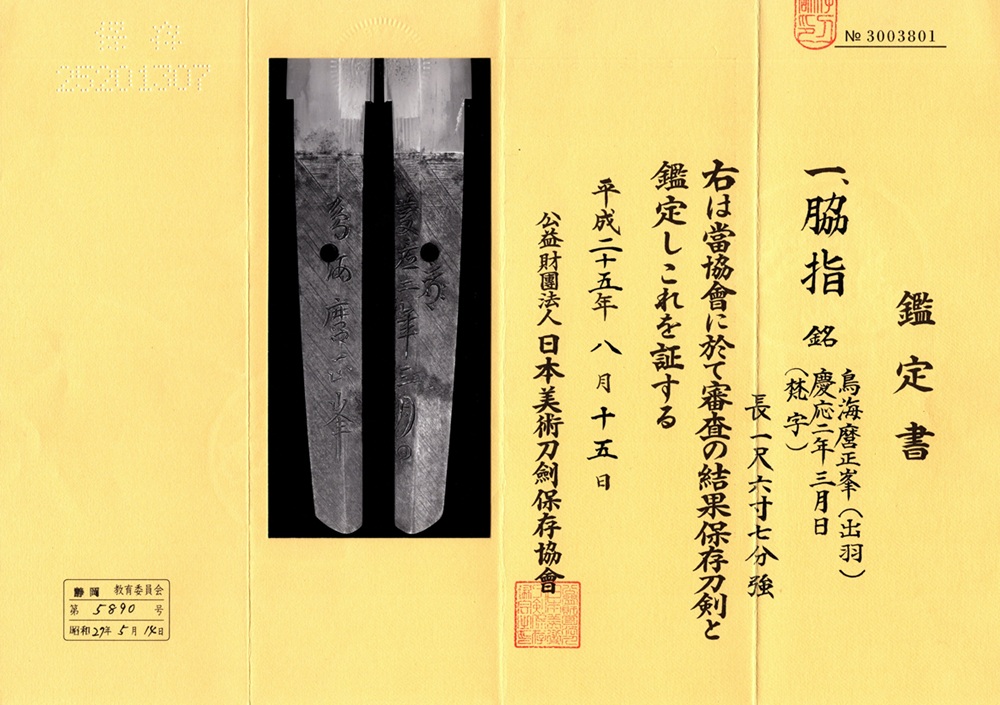
Chokaimaro Masamine Back: Dated the second month of Keio 3 (1866), accompanied by a Sanskrit (bonji) character |
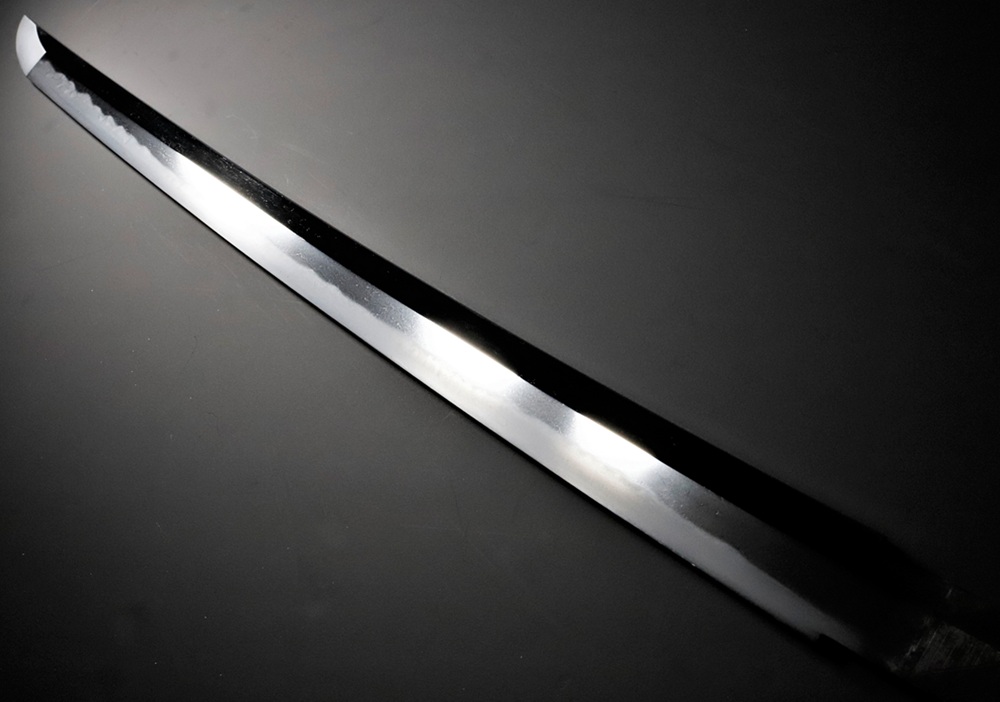
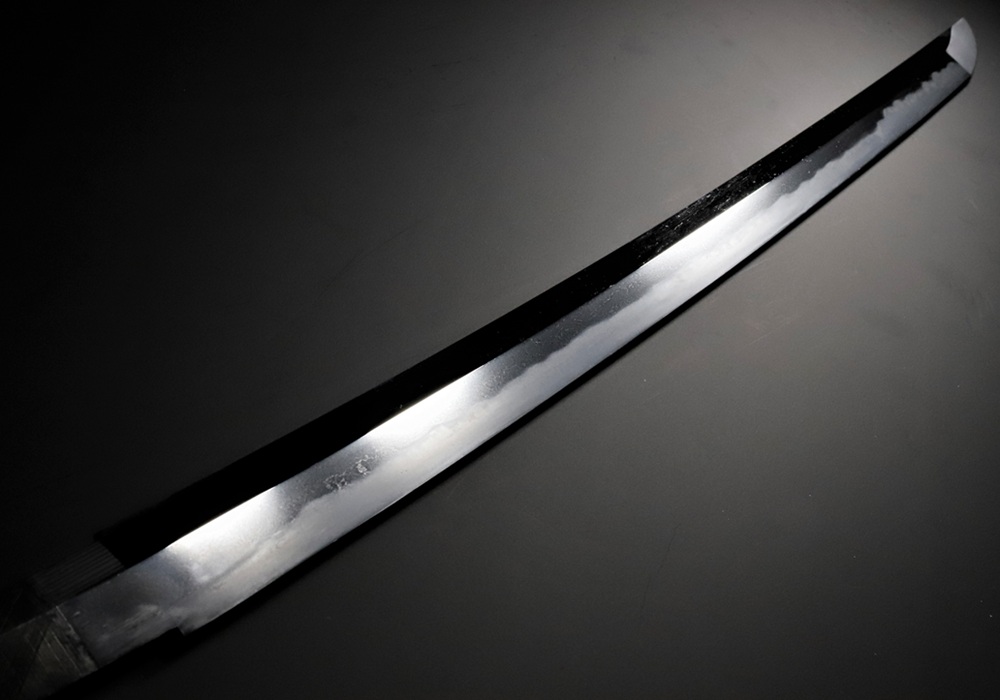
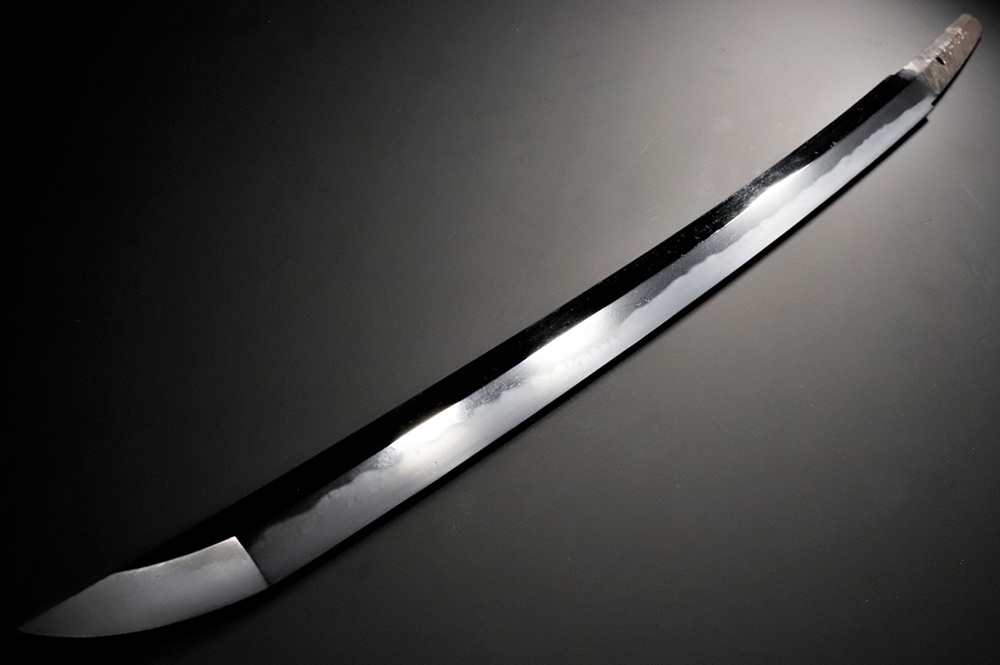
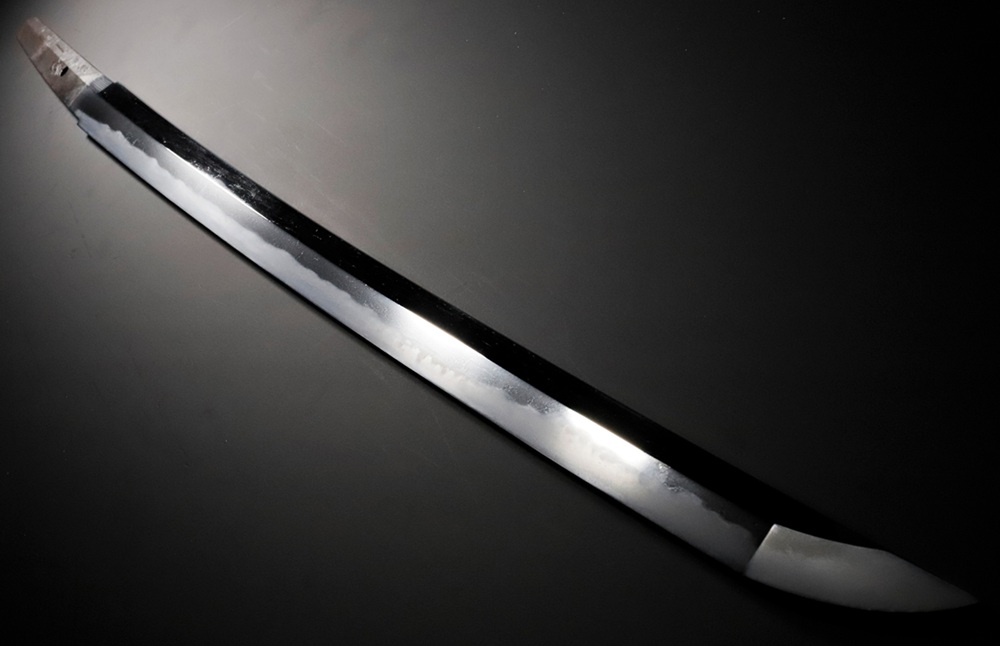
| Shape | Shinogizukuri Iorimune create a robust and dignified appearance |
| Region | Dewa Province |
| Era | Bakumatsu Period |
| Length |
50.7 cm 20.0 in |
| Sori (curvature) |
0.7 cm 0.3 in |
| Motohaba |
3.2 cm 1.2 in |
| Sakihaba |
2.4 cm 1.0 in |
| Munekasane |
0.7 cm 0.3 in |
| Status | Hozon Token |
| Certification Date | August 15, 2013 |
| Registration Authority | Shizuoka Prefecture |
| Registration Date | May 14, 1952 |
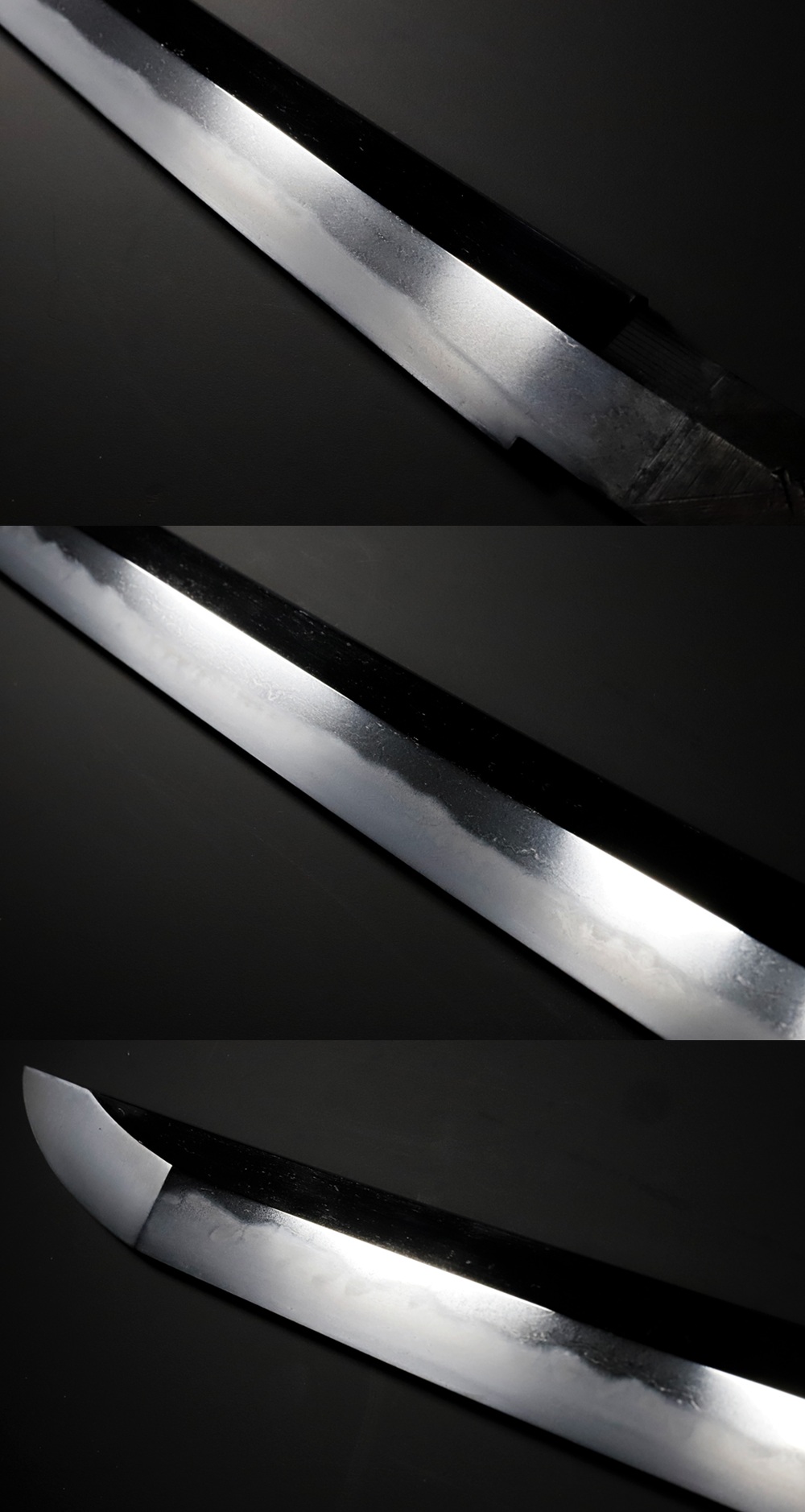
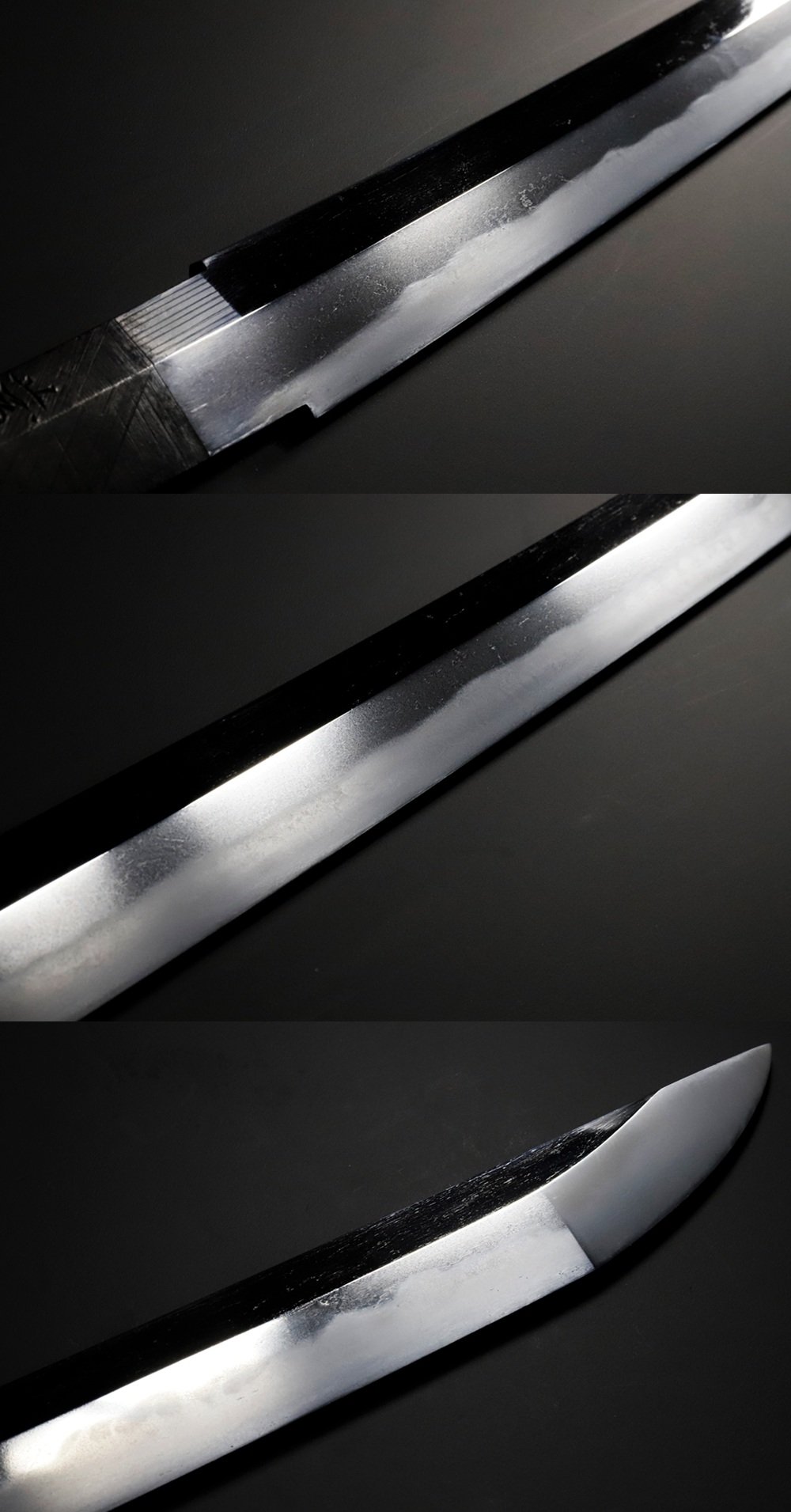
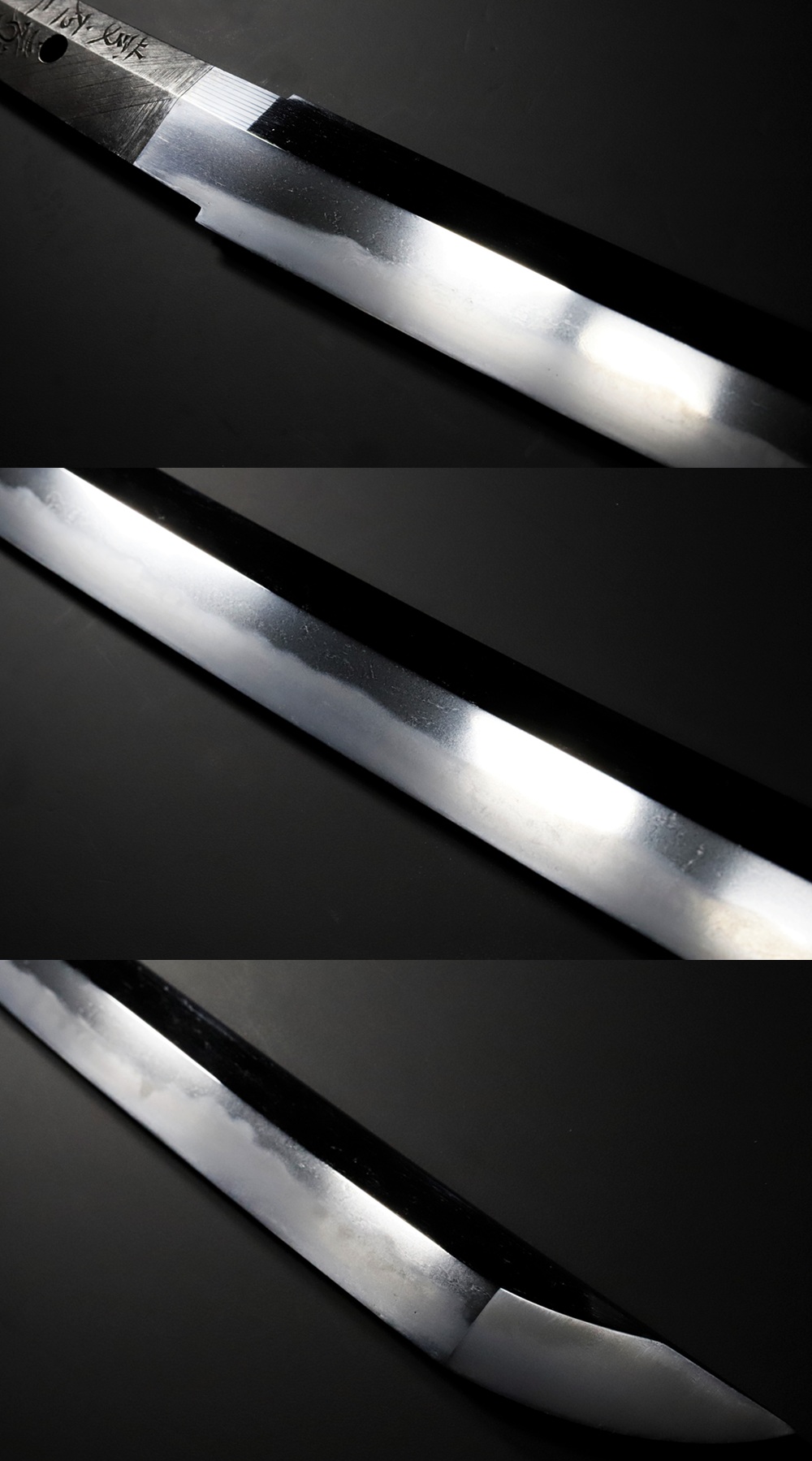
| Jihada (Metal pattern) | Koitame with Jinie and Chikei |
| Hamon (Temper line) | Kogunome-midare |
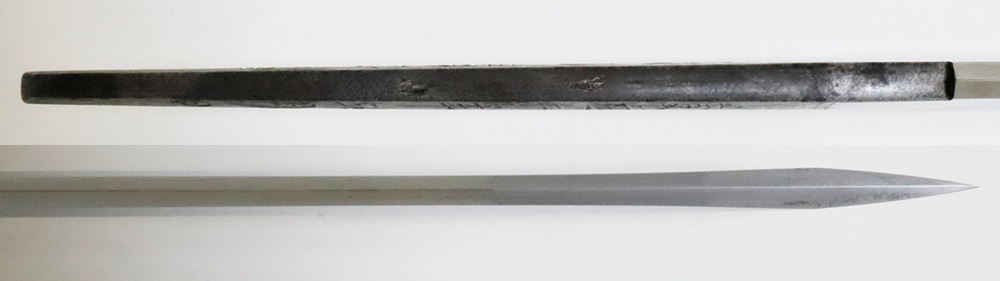
| Bōshi (Point / Tip) | Sugu komaru turn with nie |
| Nakago (Tang) | Ubu, Sujikai with kesho file and haagari-kurijiri end |
| Mekugiana (Rivet holes) | 1 |
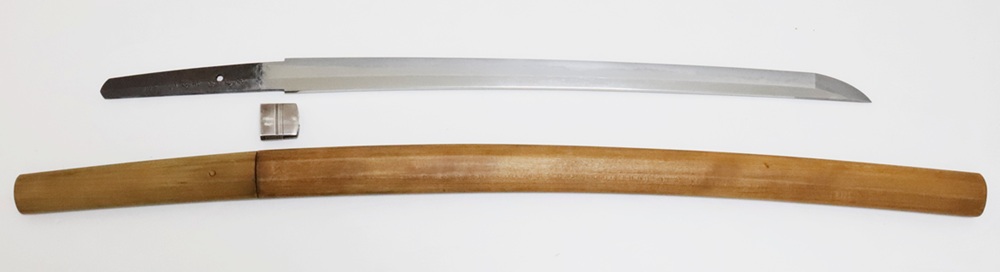
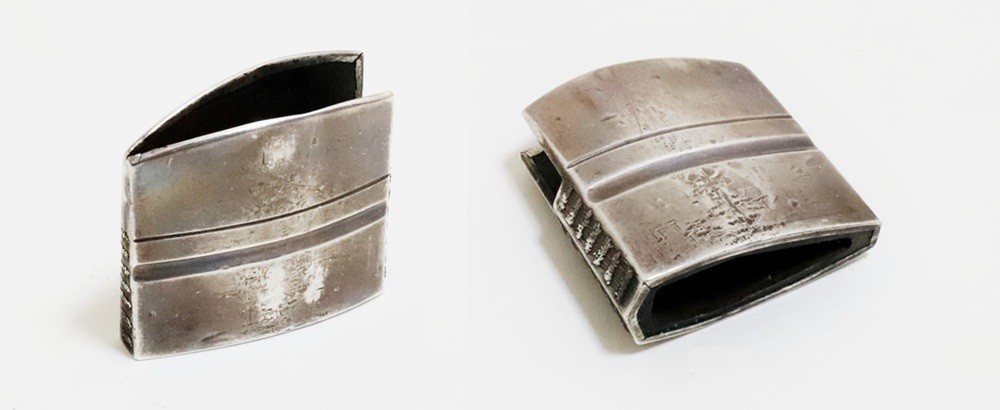
| Habaki | Copper base silver foil Shonai type habaki |
Price |
450,000 JPY |
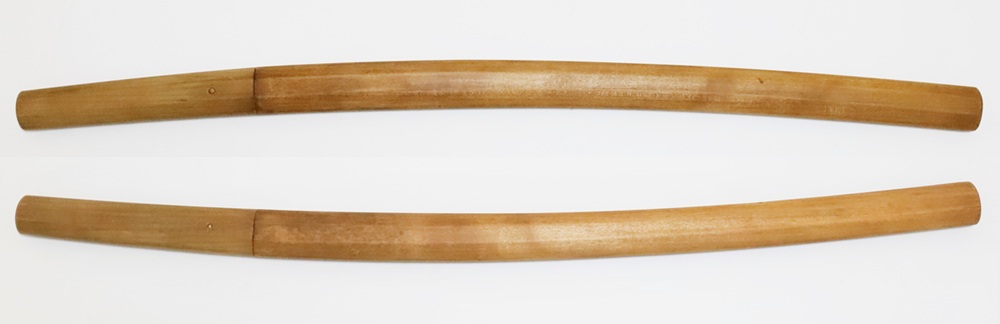
| According to swordsmith directories, Chōkai Maro Masamine is recorded as a disciple of Gassan Kunitoshi. It is noted that he moved from Tokyo to Hokkaido during the Meiji period and was active around the Keiō era, originating from Dewa Province.Although detailed information remains unclear due to the lack of primary materials from both Masamine himself and Gassan Kunitoshi, the nakago workmanship closely resembles that of Ikeda Kazuhide, suggesting that Masamine may have studied under him or been influenced by his work.This blade features an extended kissaki, wide mihaba, and thick kasane, forming a bold and powerful shinogi-zukuri silhouette. The jihada is a fine itame with ji-nie and chikei present. The hamon is a ko-chōji midare with ko-nie and visible kinsuji. The nakago is superbly finished, and this piece can be regarded as a masterpiece by Chōkai Maro Masamine. The wakizashi passed the Hozon Token shinsa in 2013. |


 Search