| Product No. WA-0871 於千年山辺水心子正秀 | |
|---|---|
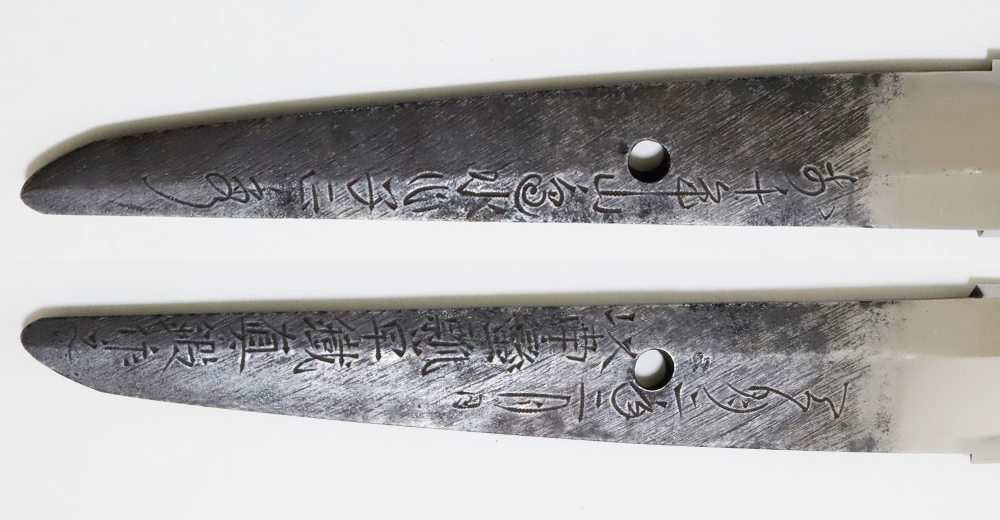
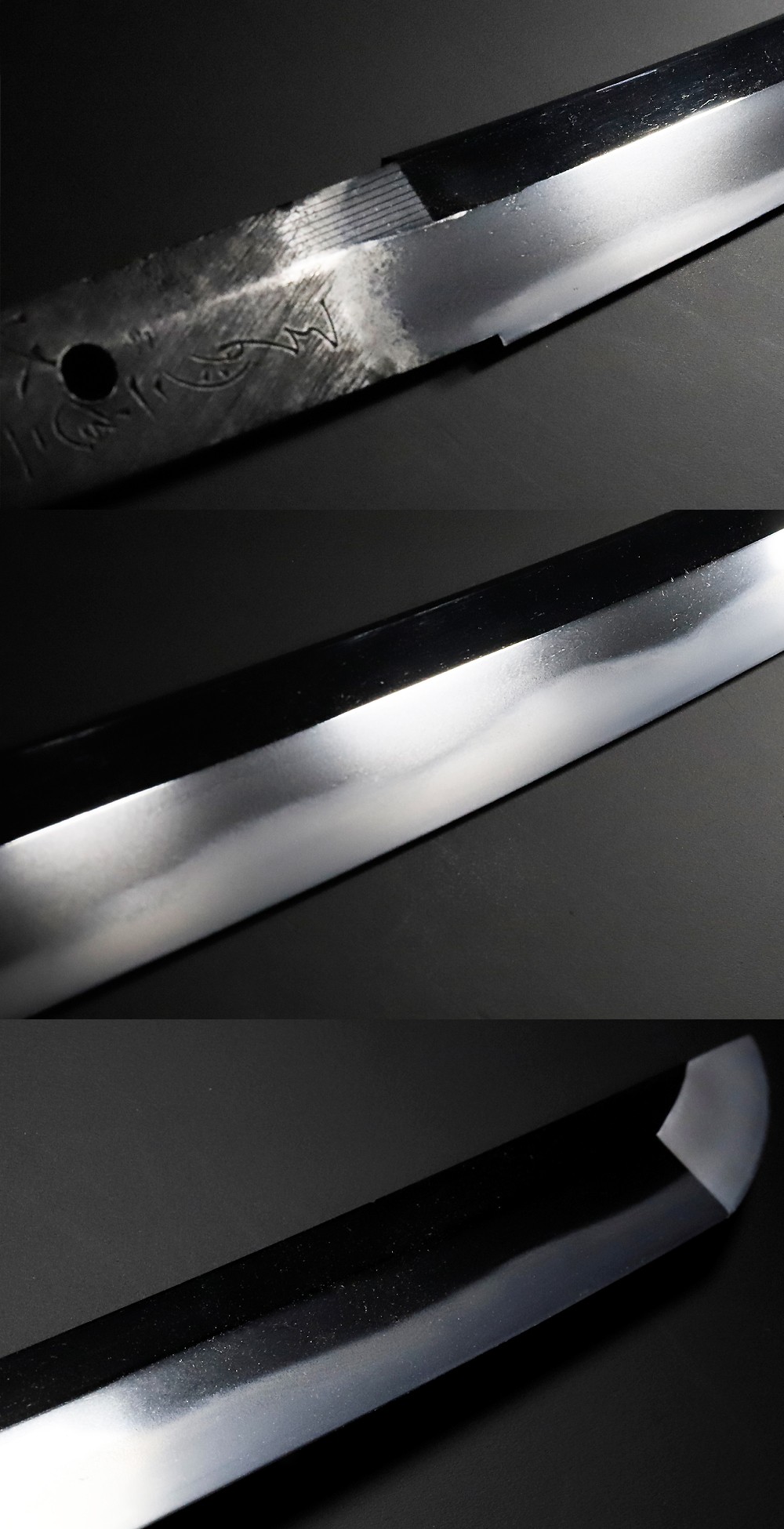
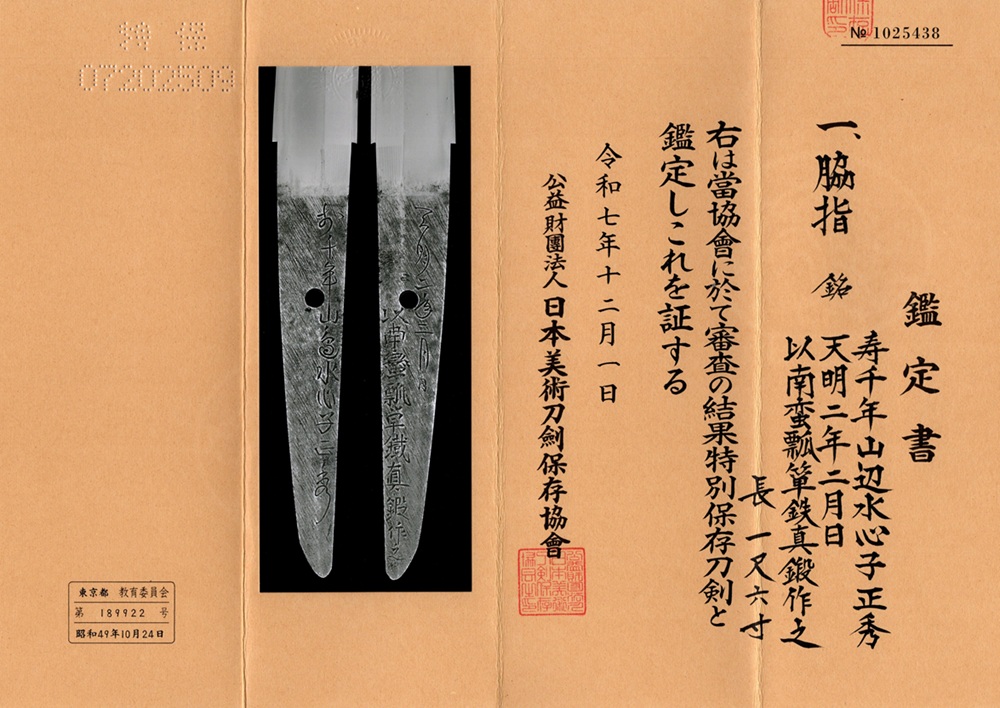
| Mei |
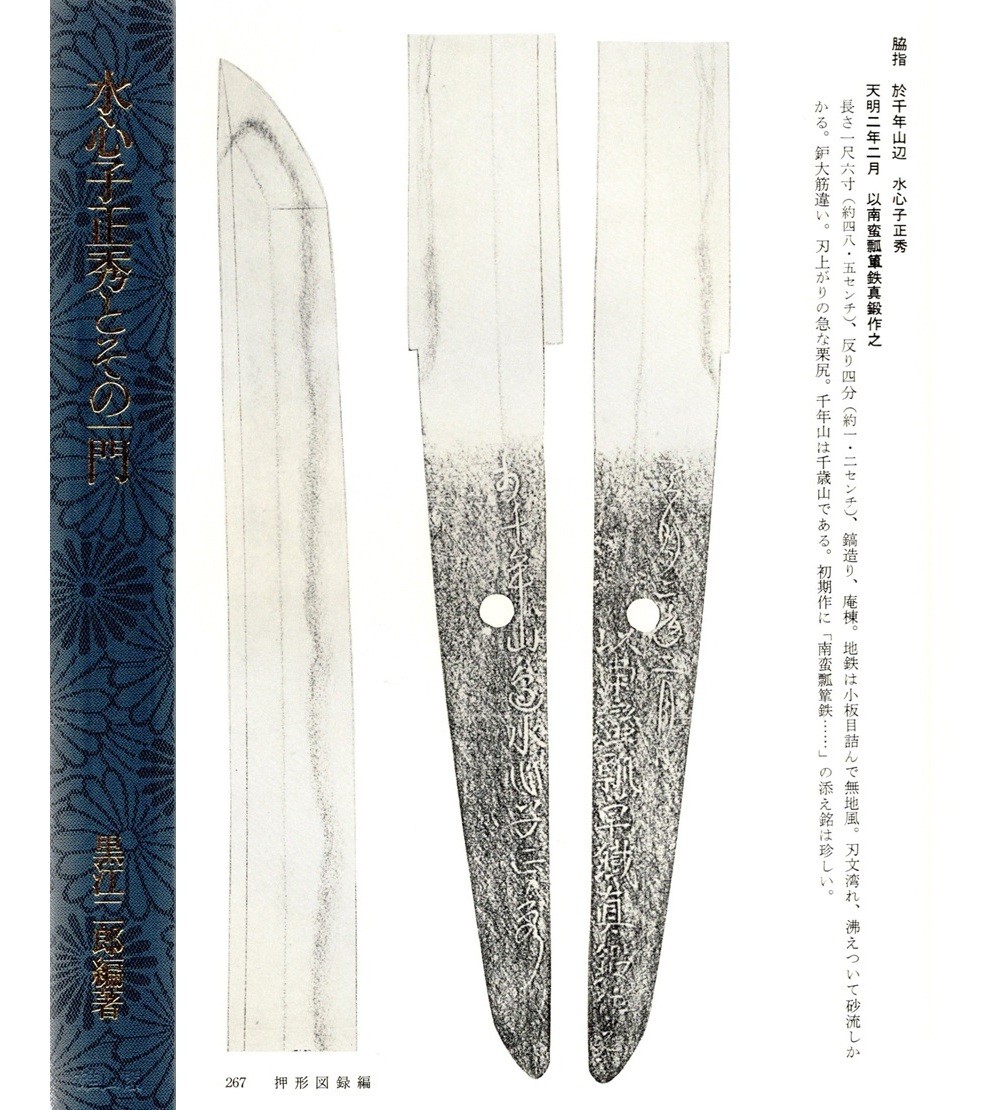
Suishinshi Masahide in the vicinity of Chitoseyama Back: Dated February, Tenmei 2 (1782). Made by true forging using Nanban Hyōtan iron |
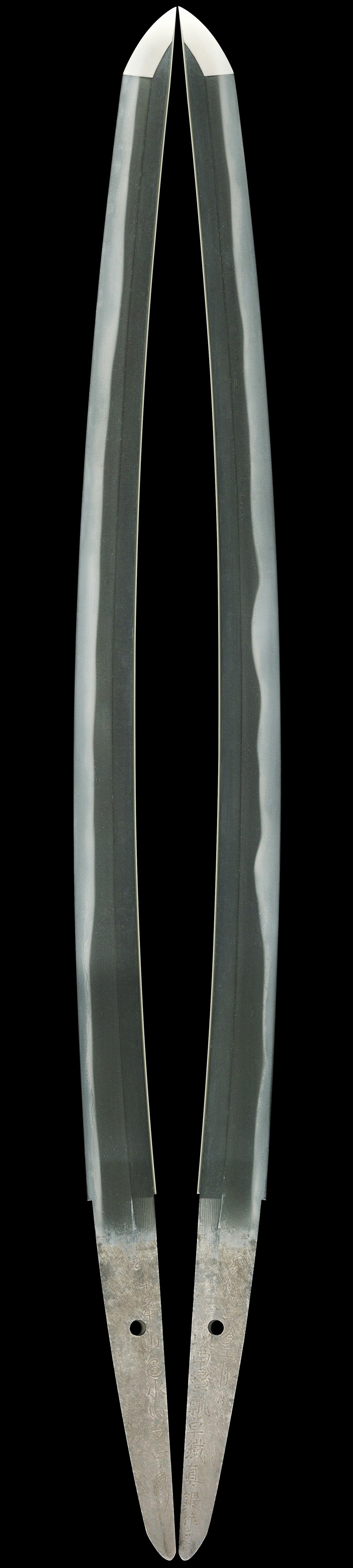
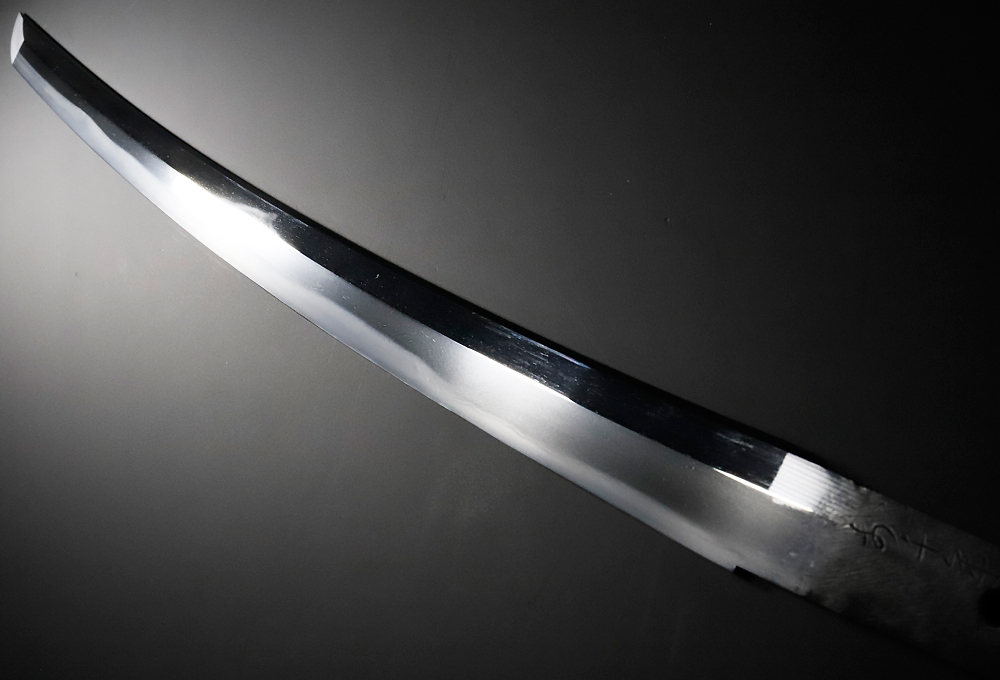
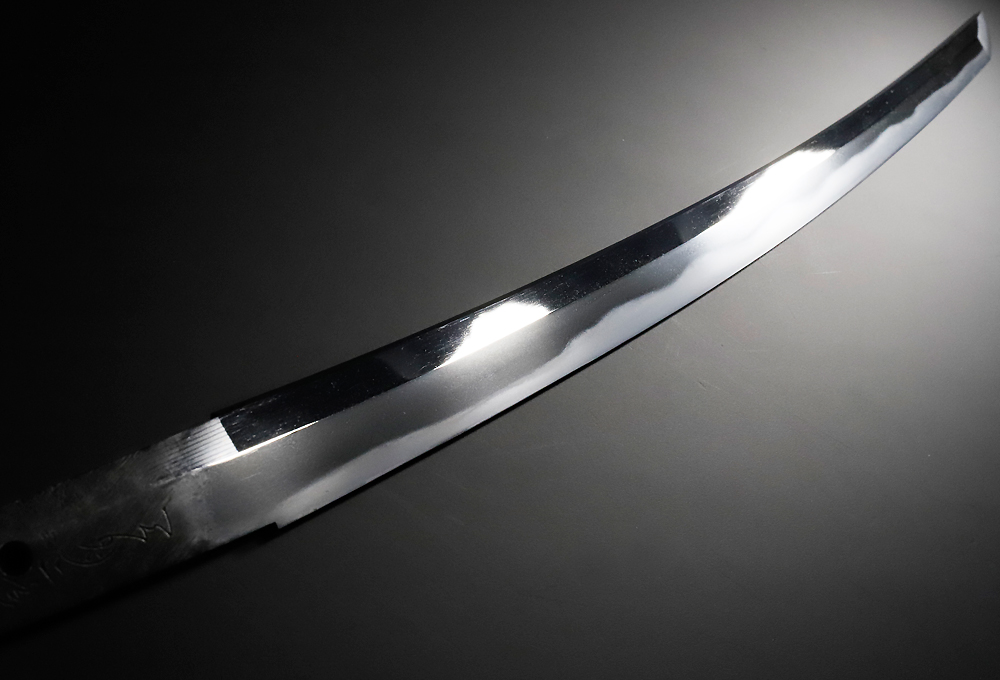
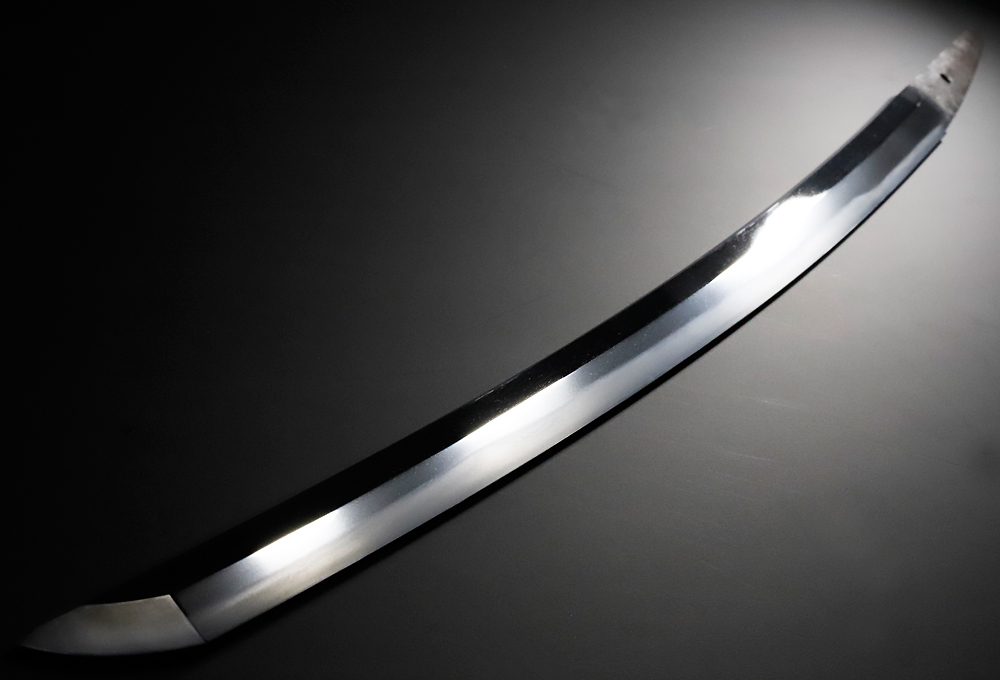
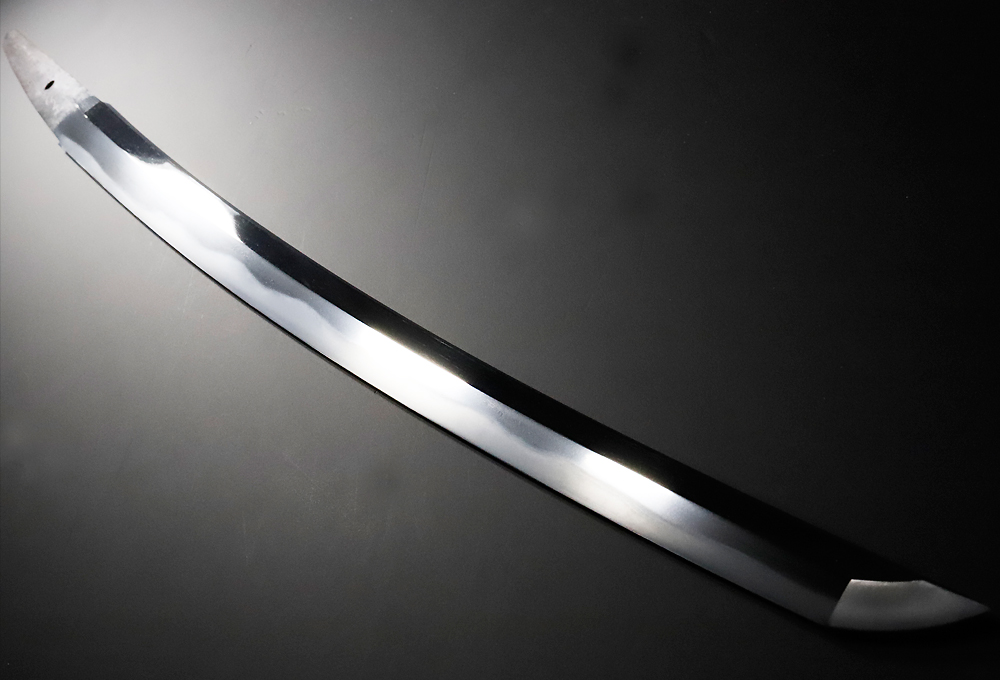
| Shape | Forged in shinogi-zukuri with an iori-mune, the blade has a chū-kissaki and ordinary proportions in both mihaba and kasane. The graceful sugata is further characterized by a noticeable sakizori curvature |
| Region | Yamagata, Dewa Province |
| Era | Late Edo Period |
| Length |
48.4 cm 19.1 in |
| Sori (curvature) |
1.2 cm 0.5 in |
| Motohaba |
2.9 cm 1.1 in |
| Sakihaba |
2 cm 0.8 in |
| Munekasane |
0.6 cm 0.2 in |
| Status | Tokubetsu Hozon Token |
| Certification Date | December 01, 2025 |
| Registration Authority | Tokyo |
| Registration Date | October 24, 1974 |
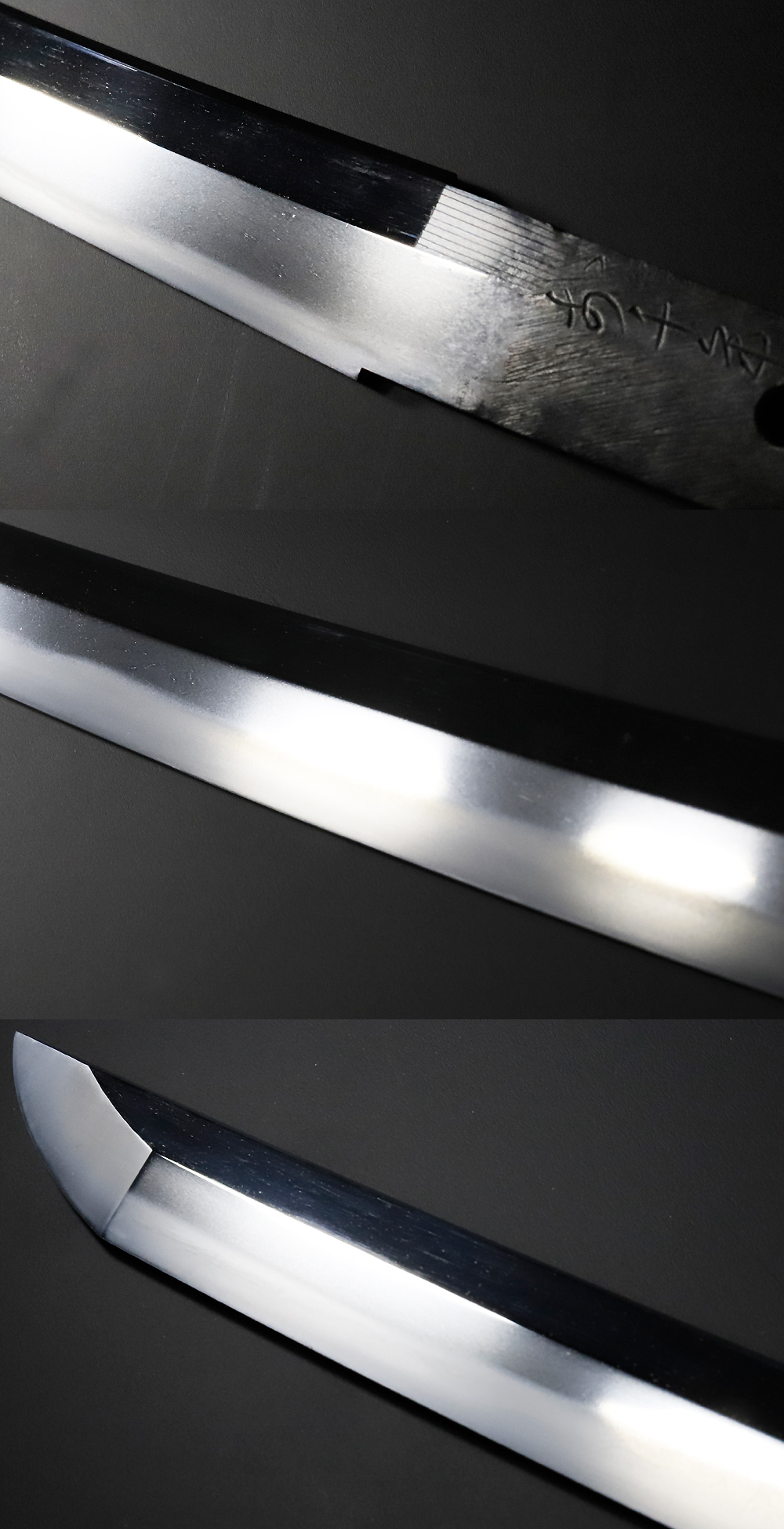
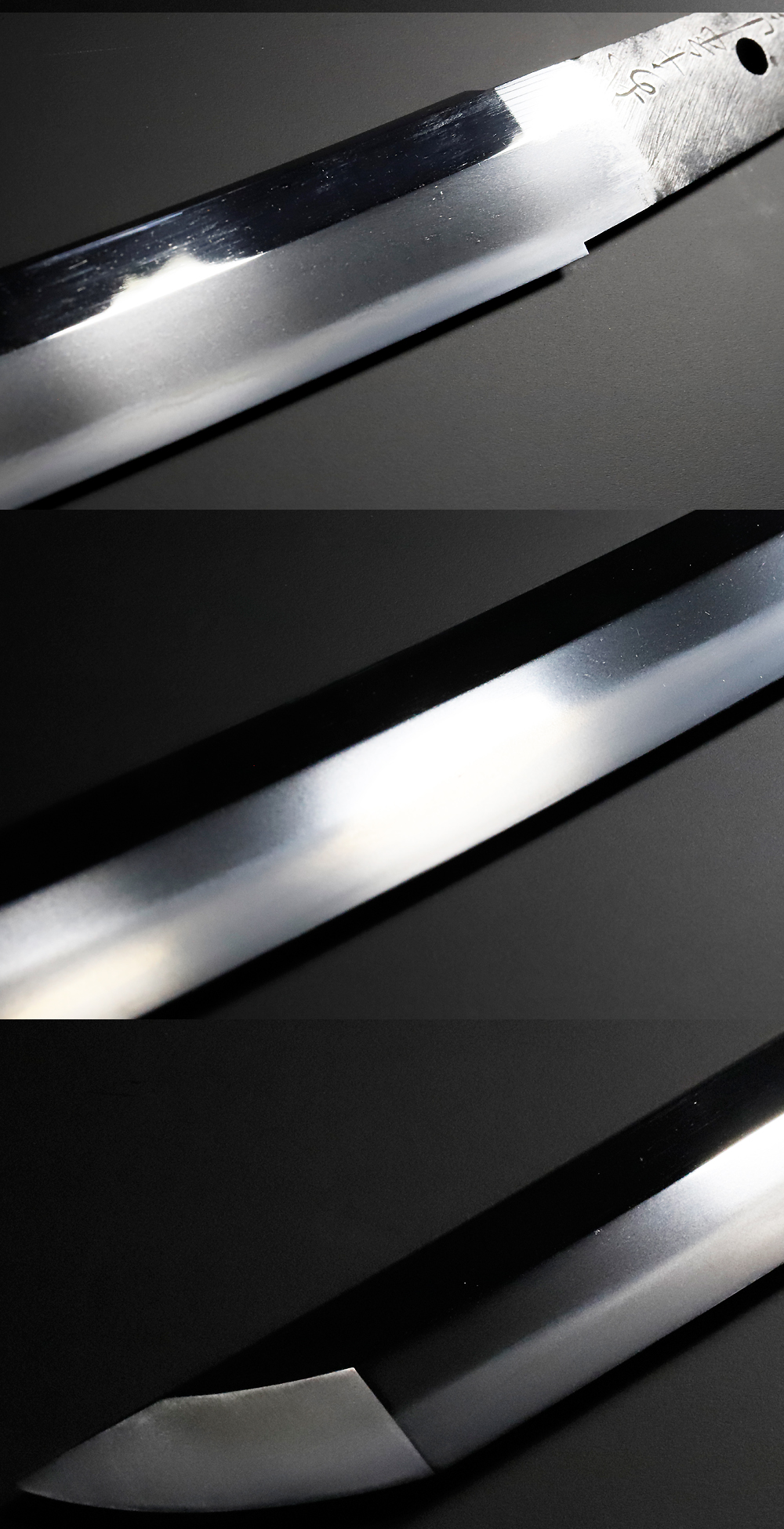
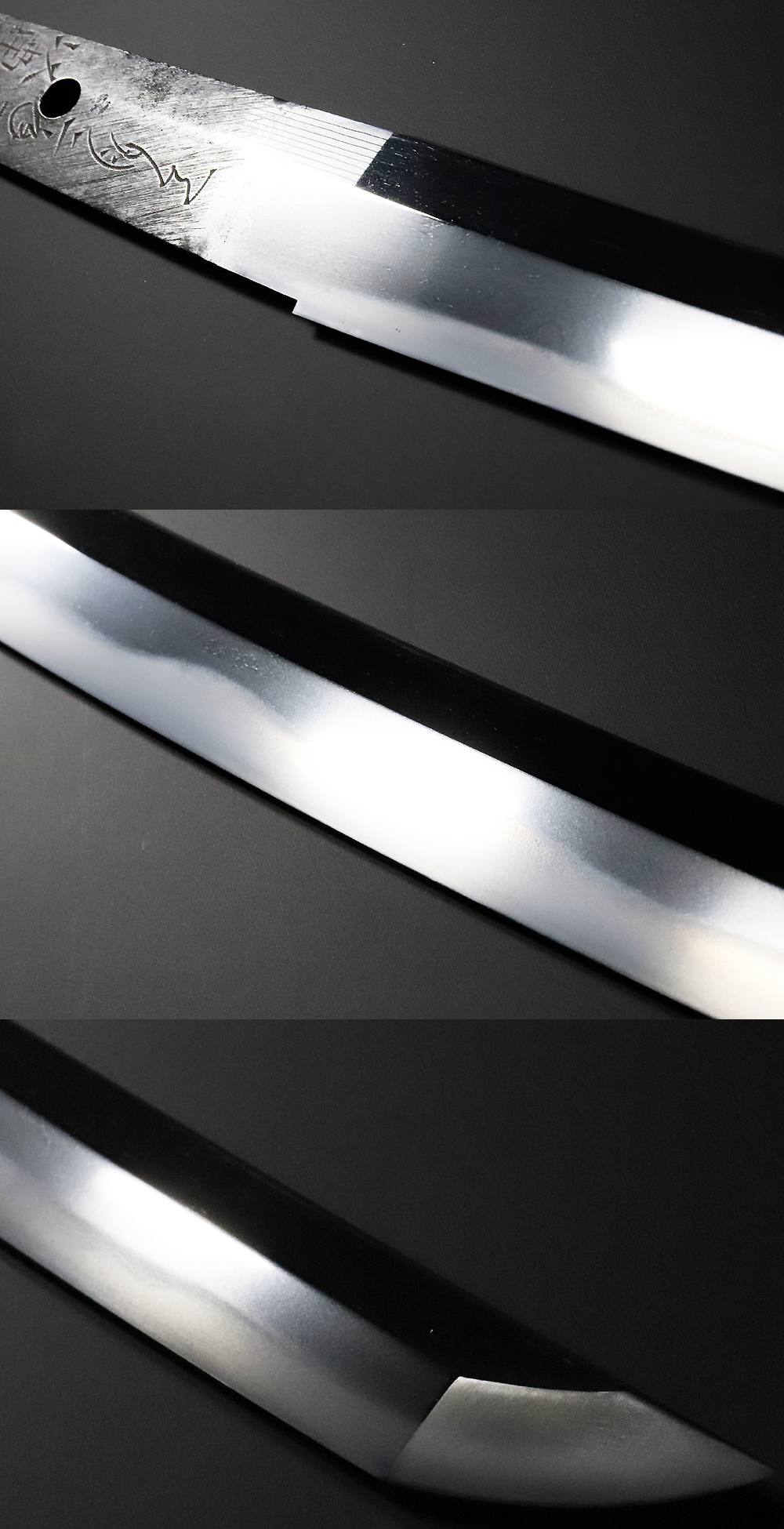
| Jihada (Metal pattern) | The jihada is a tightly forged ko-itame hada of exceptional refinement |
| Hamon (Temper line) | The hamon is a deep nioiguchi notare mixed with gunome, richly covered with nie, with nie lines appearing along the habuchi and ayasugi-like nie activities visible throughout |
| Bōshi (Point / Tip) | he bōshi is covered with nie, accompanied by hakikake, and turns back in kaeri |
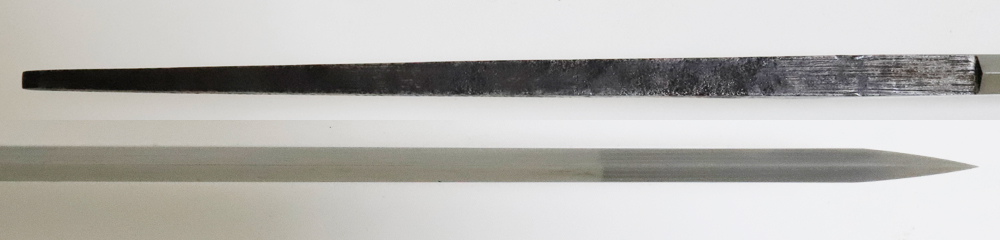
| Nakago (Tang) | The nakago is ubu, with ō-sujikai yasurime and a sharply tapering ha-agari kurijiri |
| Mekugiana (Rivet holes) | 1 |
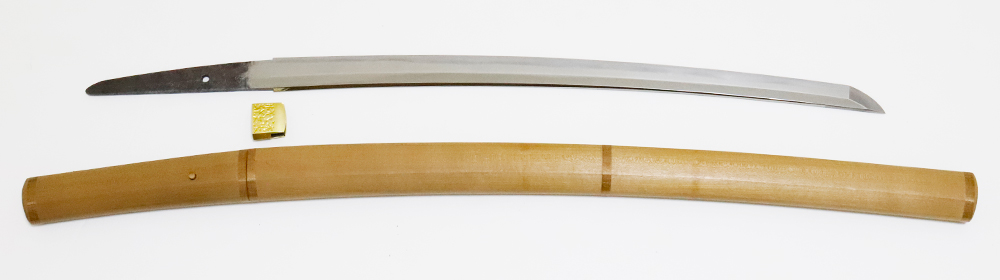
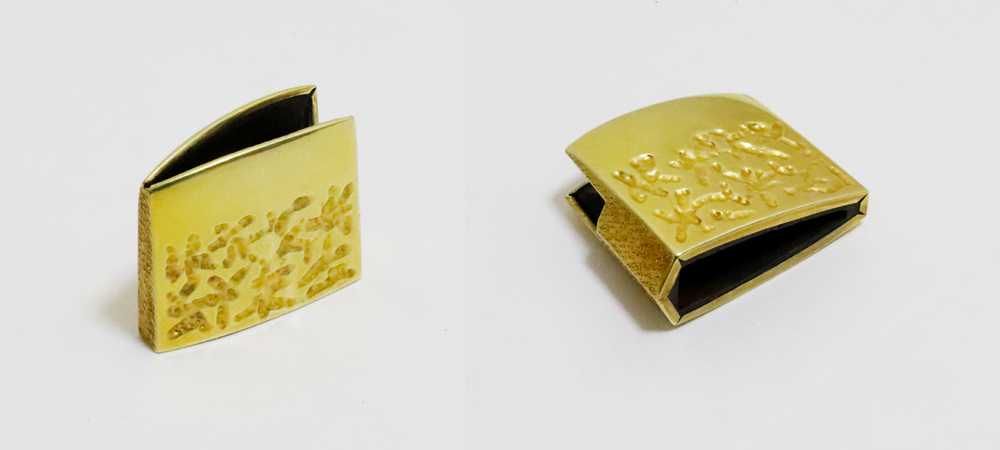
| Habaki | Copper-based, gold-foiled rock-pattern habaki |
Price |
SOLD |
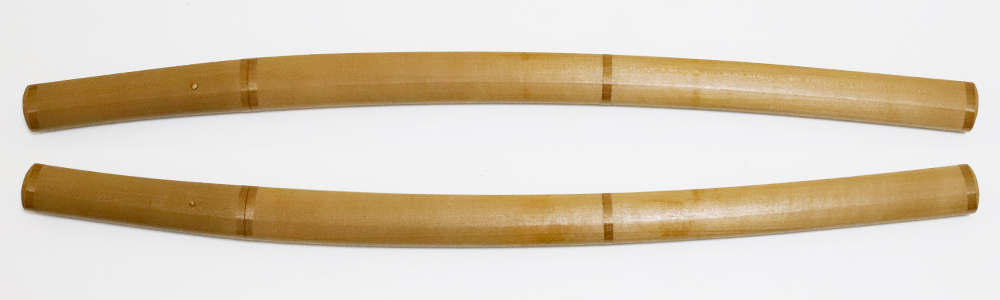
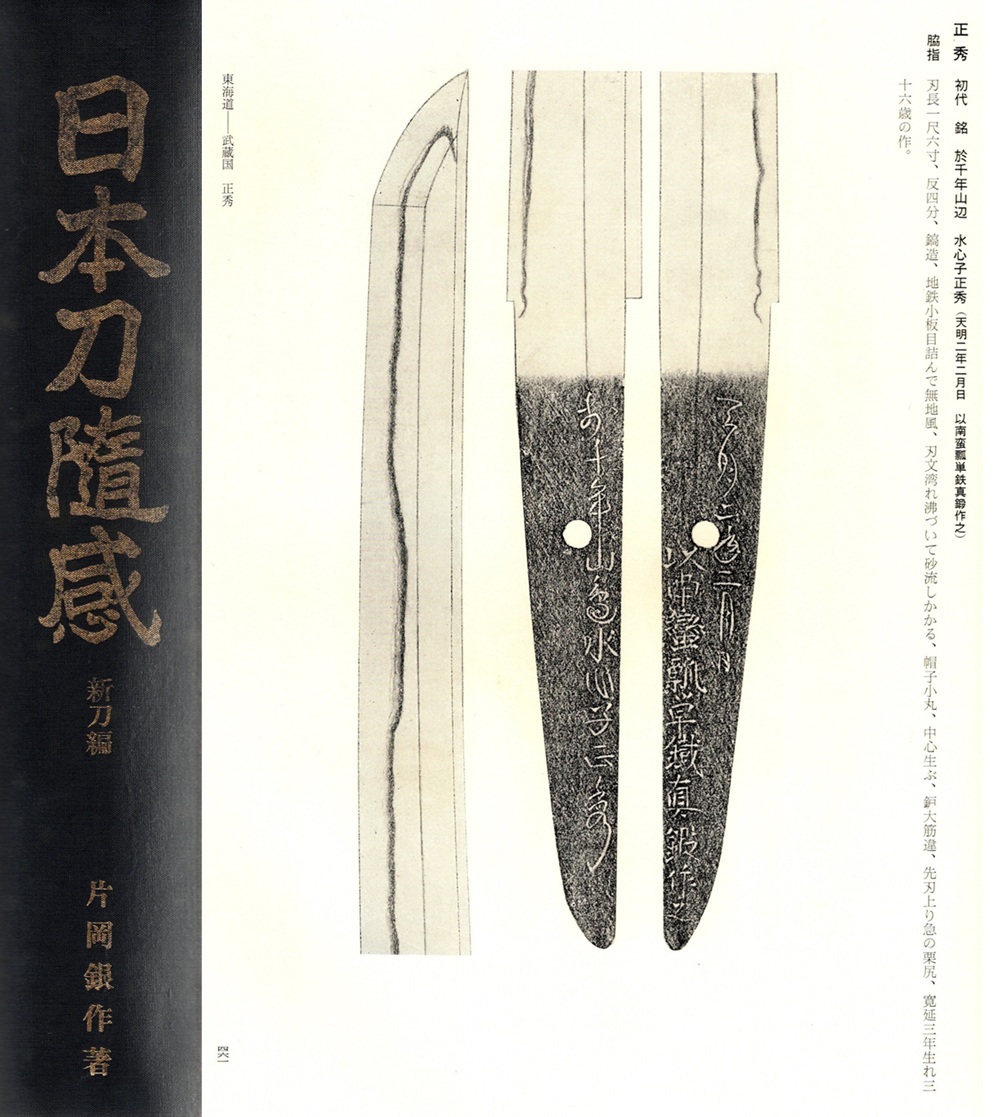
| Suishinshi Masahide (1750–1825), the founder of the Shinshintō movement, was born in Dewa Province in 1750. He is said to have first studied under the Shitahara smith Yoshihide, signing his early works as Hidakuni. In 1774, he entered the service of the Akimoto family, lords of the Yamagata Domain, became the domain smith, changed his name to Kawabe Gihachirō, and adopted the gō Suishinshi. Soon thereafter, he moved to Edo, where he studied the Sōshū tradition under Tsunahiro of Kamakura. At the same time, he conducted extensive research and experimentation into traditional forging methods, advocating a return to the techniques and spirit of the great old masters. His writings, including Tōken Buyōron and Tōken Bengi, had a profound influence on later generations. He also trained many outstanding students, among them Taikei Naotane and Hosokawa Masayoshi. Although Masahide spent most of his career in Edo, he returned to Yamagata on two occasions, in 1779 and again in 1782. This blade was forged during his second visit, in the vicinity of Chitoseyama in Yamagata. The workmanship appears to reflect his admiration for the celebrated Osaka master Inoue Shinkai. Made when Masahide was thirty-two years old, it represents an outstanding work from his early period. This sword is illustrated in Suishinshi Masahide and His School by Jirō Kuroe and Nihontō Zuikan (Reflections on Japanese Swords): Shintō Edition by Ginsaku Kataoka. Passed NBTHK Tokubetsu Hozon Tōken shinsa in 2025. The shirasaya is furthermore constructed with an iriko-zaya (nested saya), a rare and noteworthy feature. |

 Search