| Product No. WA-0872 加賀守藤原貞則 | |
|---|---|
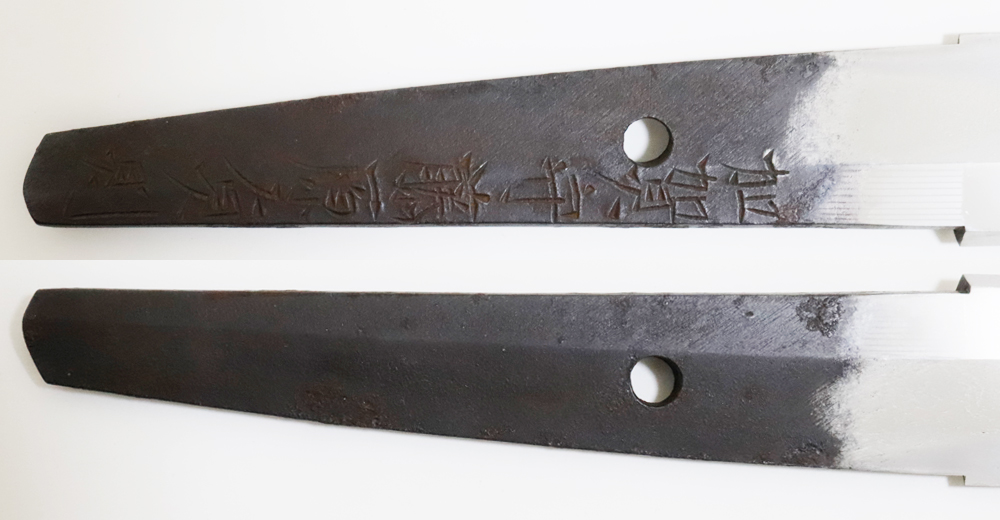
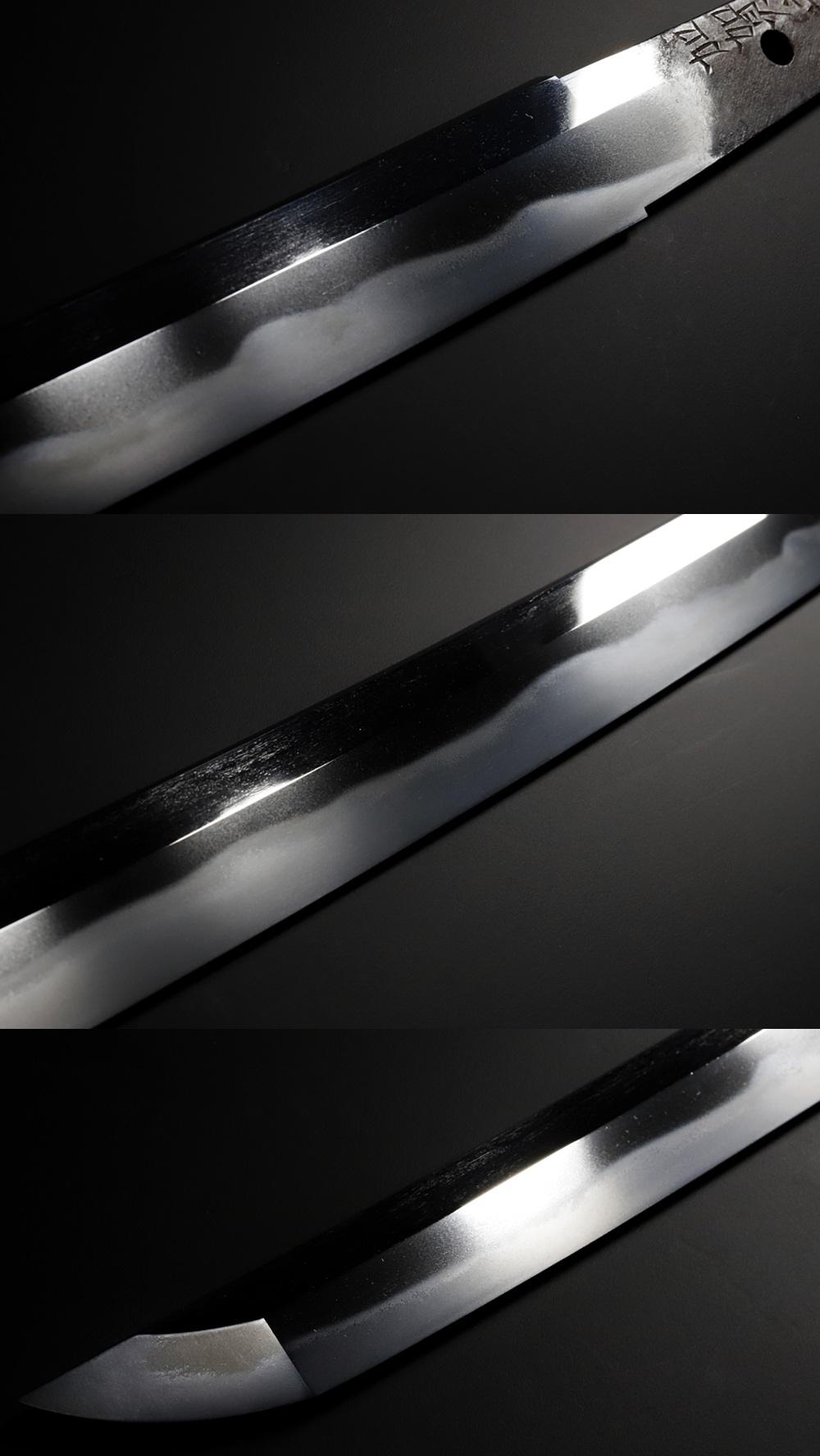
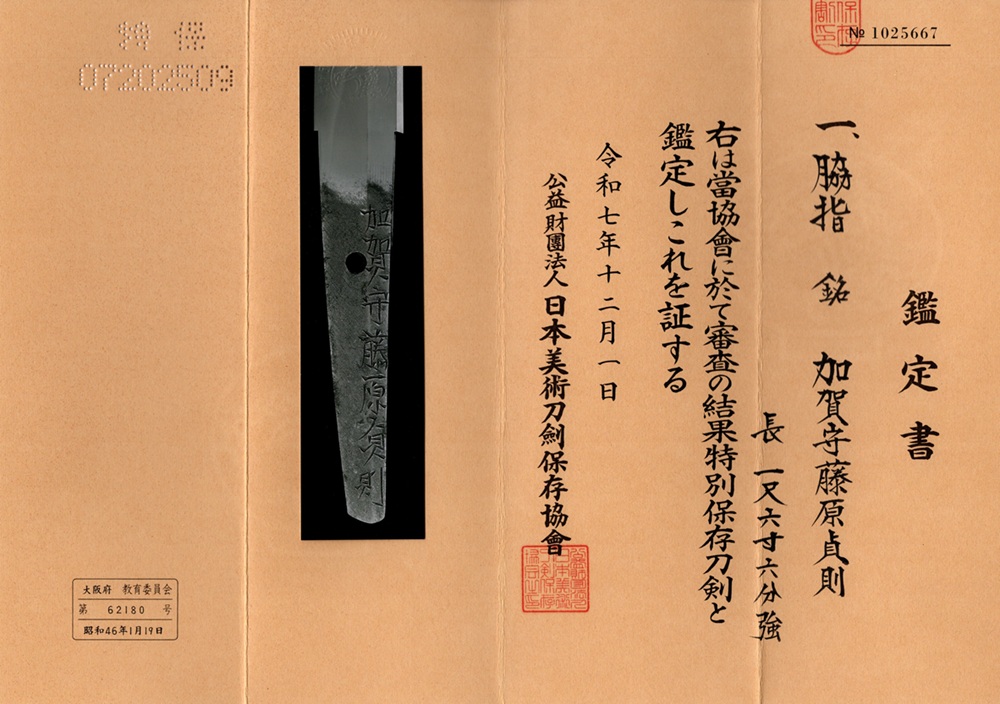
| Mei |
Kaga no Kami Fujiwara Sadanori Back: -- |
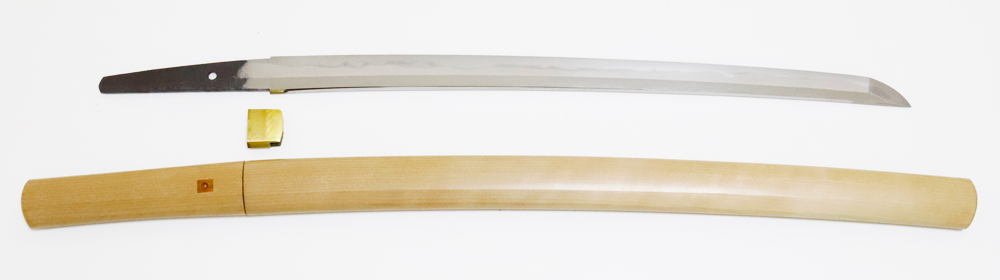
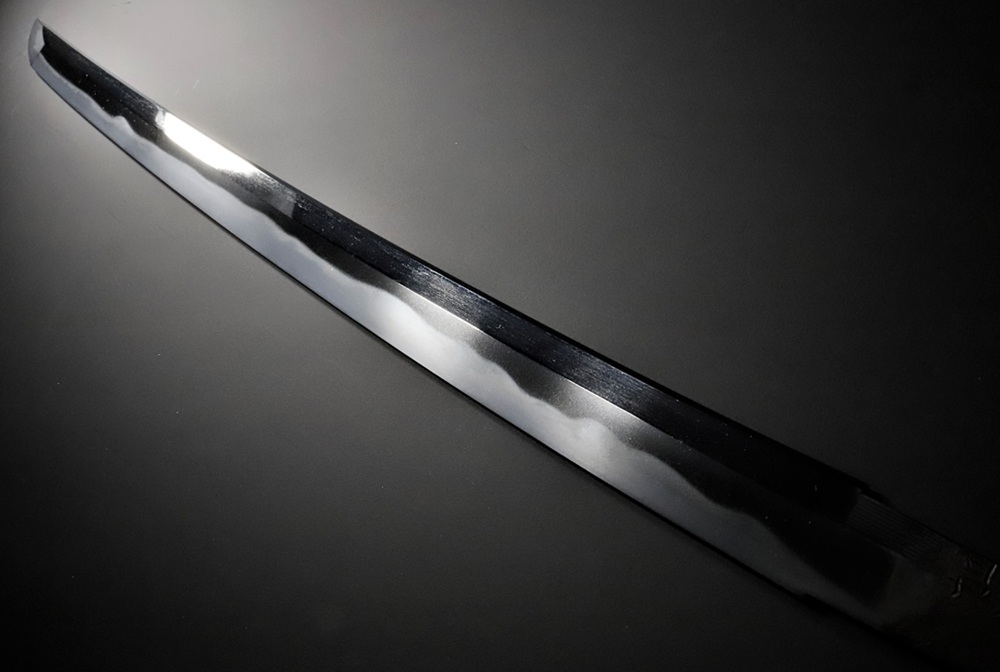
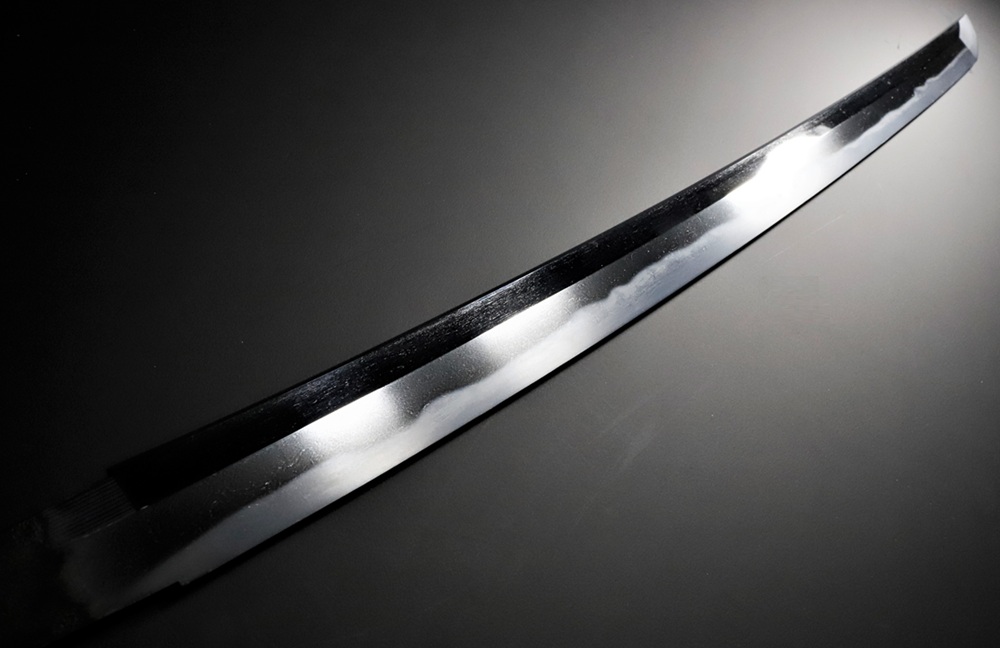
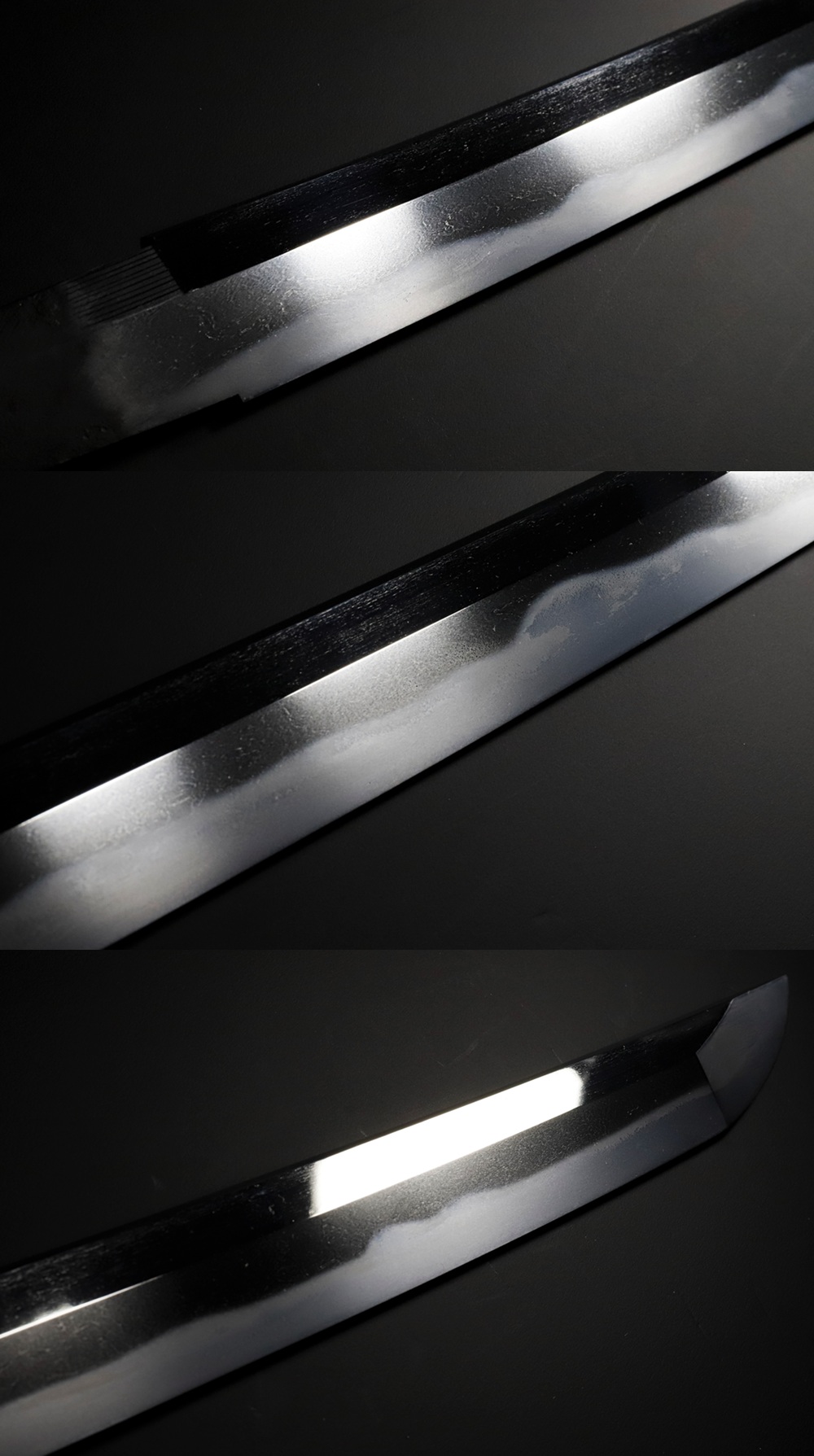
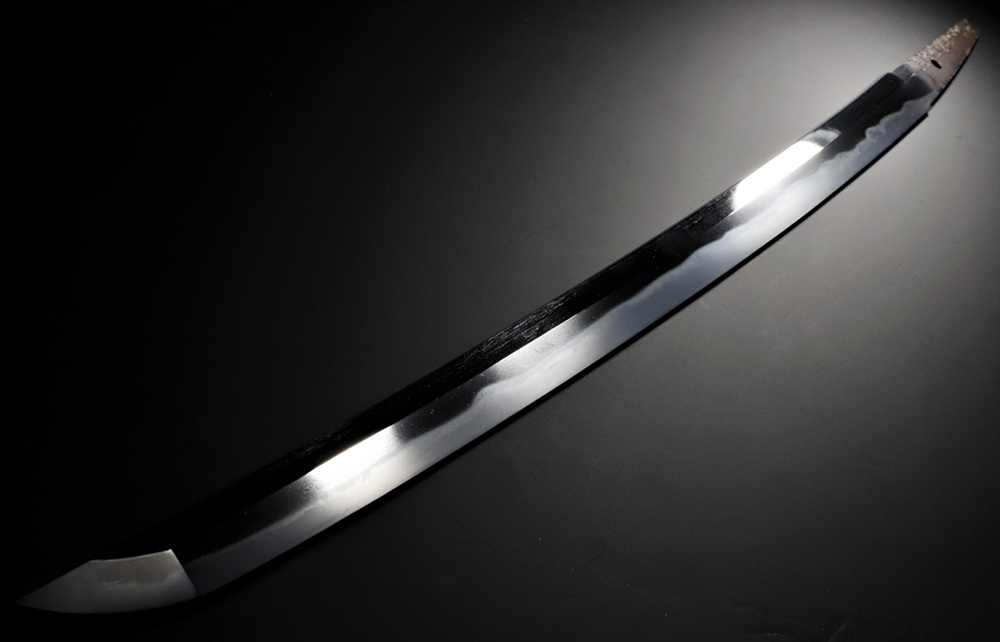
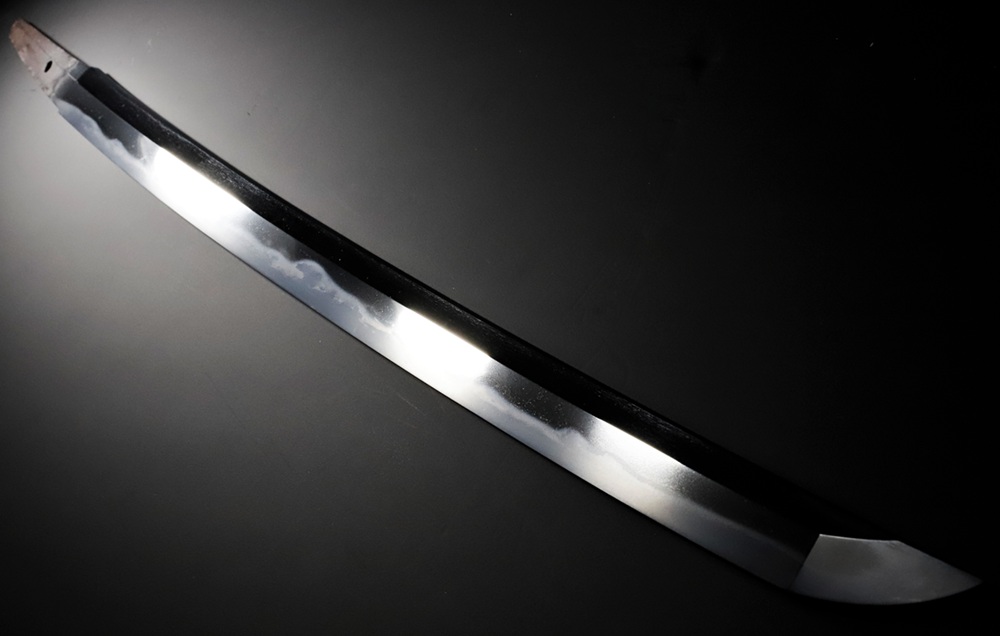
| Shape | Shinogi-zukuri with an iori-mune, medium kissaki; standard width, thickness, and curvature, presenting a refined and well-balanced shape |
| Region | Iwaki, Mutsu Province |
| Era | Early Edo Period |
| Length |
50.4 cm 19.8 in |
| Sori (curvature) |
0.9 cm 0.4 in |
| Motohaba |
3.1 cm 1.2 in |
| Sakihaba |
2.3 cm 0.9 in |
| Munekasane |
0.7 cm 0.3 in |
| Status | Tokubetsu Hozon Token |
| Certification Date | December 01, 2025 |
| Registration Authority | Osaka |
| Registration Date | January 19, 1971 |
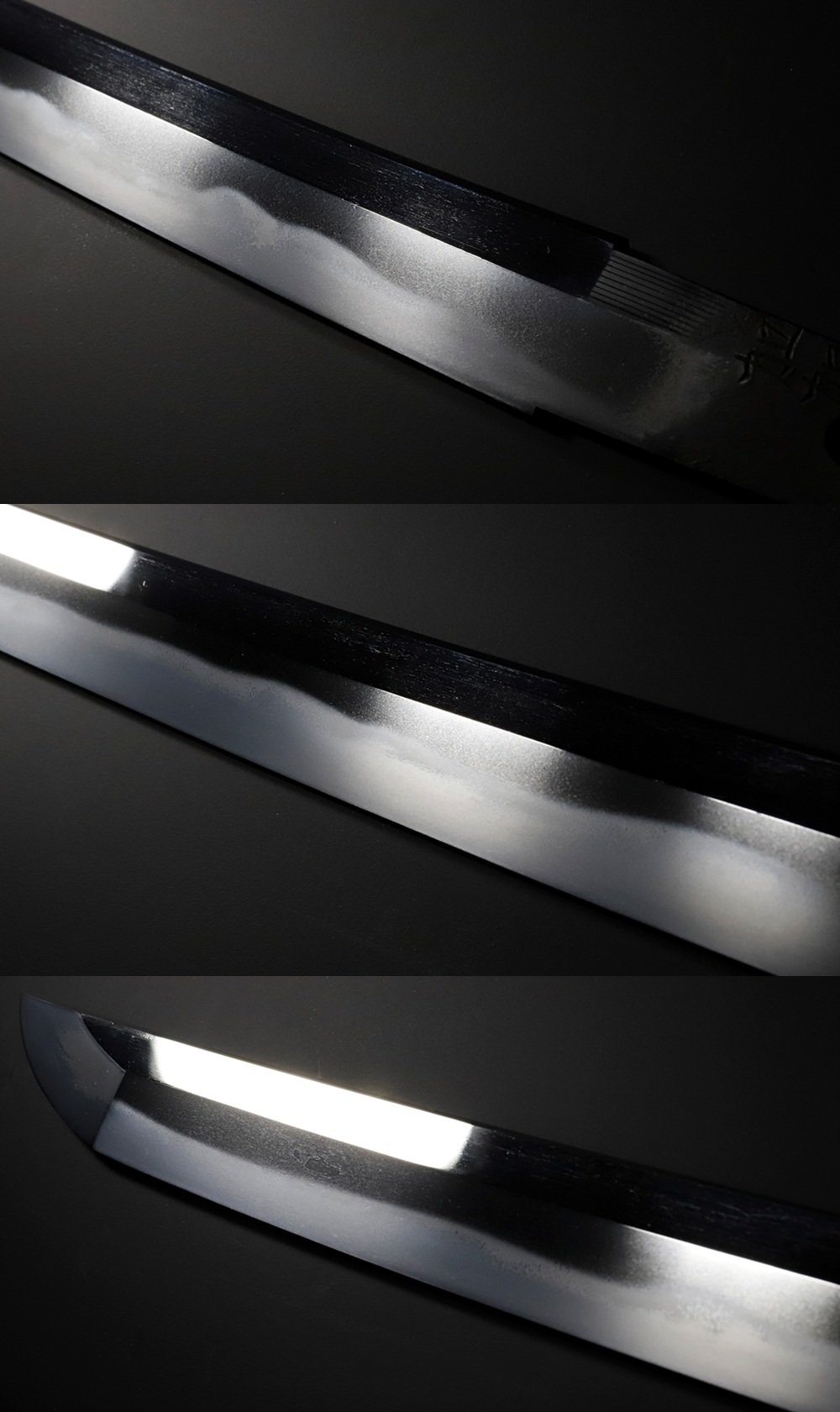
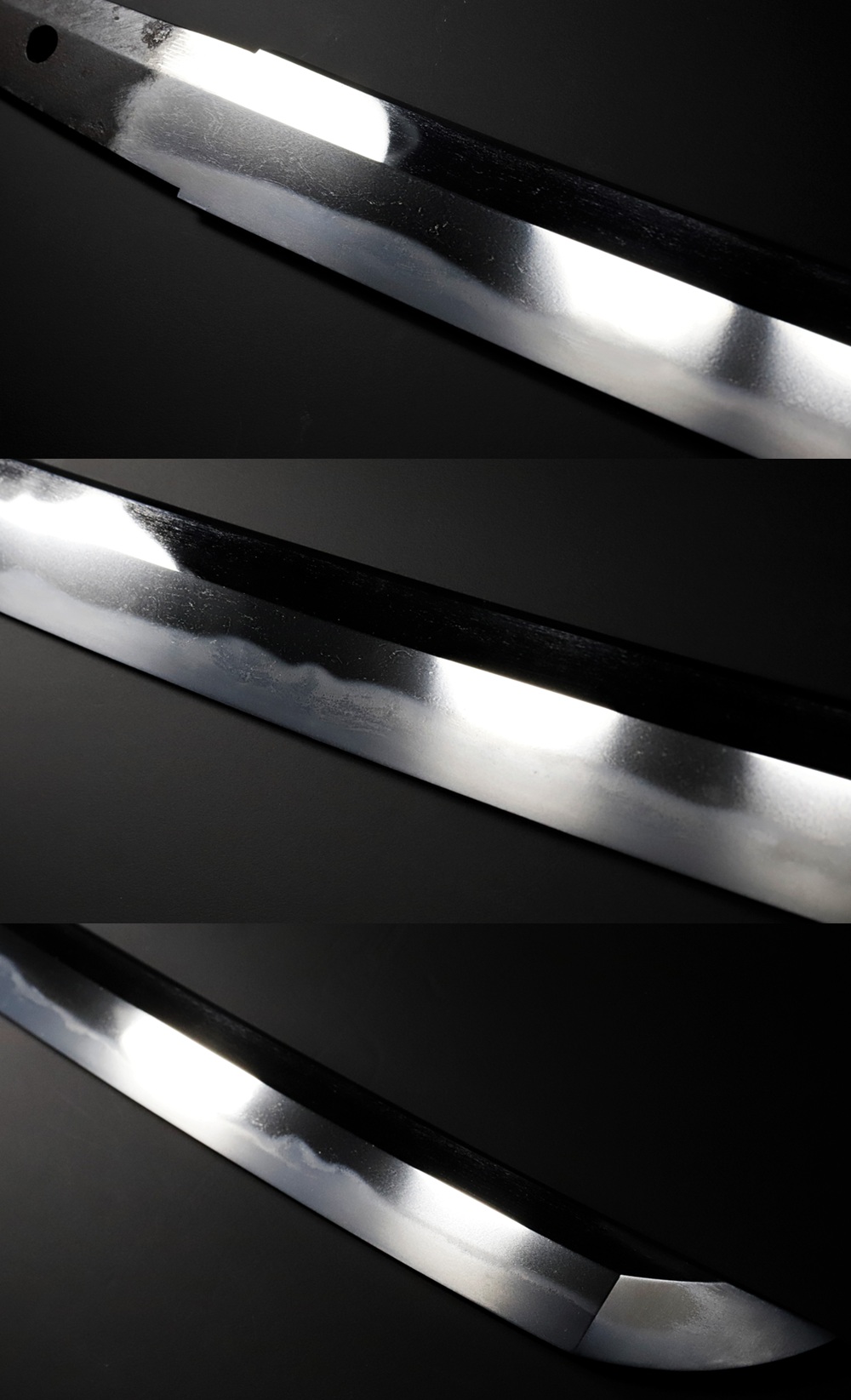
| Jihada (Metal pattern) | A tightly packed ko-itame grain with a moist, well-forged appearance |
| Hamon (Temper line) | A gently undulating notare-style gunome-midare with fine ko-nie, accompanied by a short sugu-yakidashi |
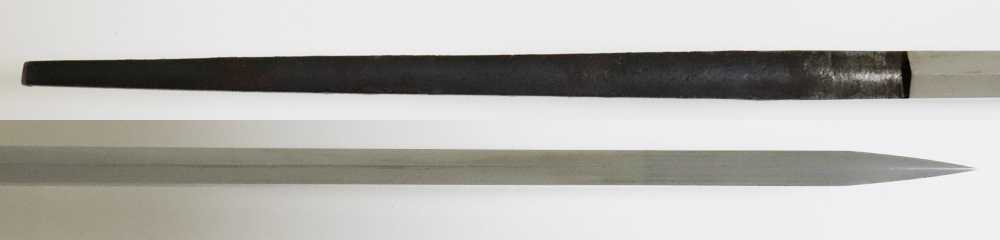
| Bōshi (Point / Tip) | Suguha-based with nie, showing a hakikake tendency, and turning back in a small rounded ko-maru boshi |
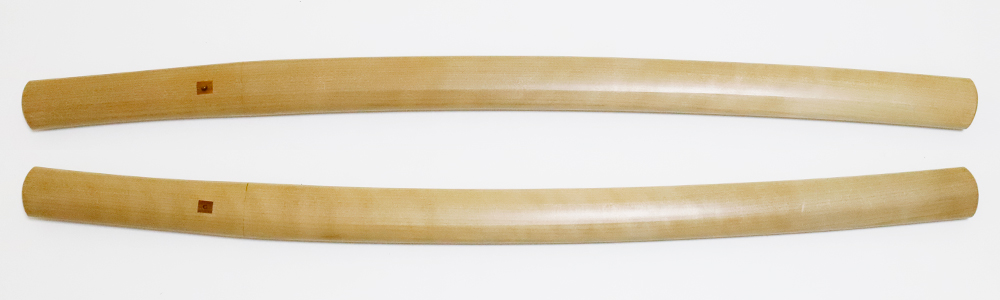
| Nakago (Tang) | Ubu, with sujikai yasurime and a shallow ha-agari kurijiri |
| Mekugiana (Rivet holes) | 1 |
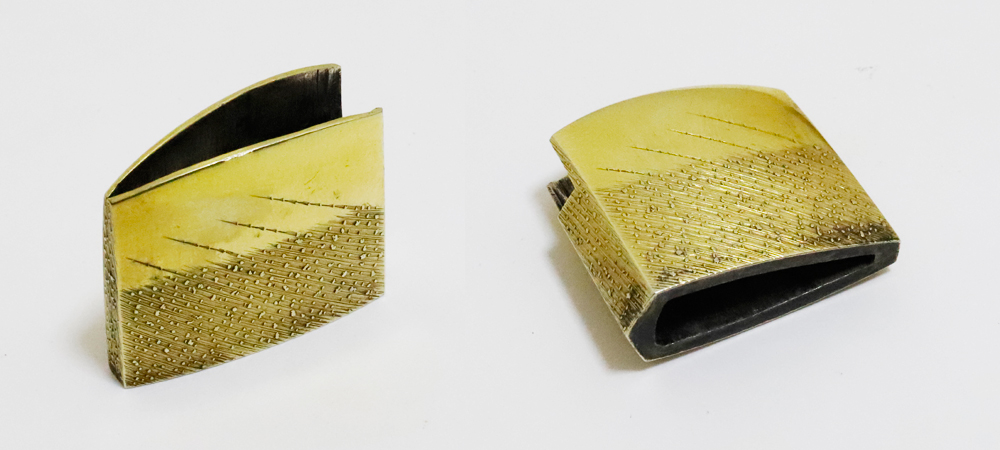
| Habaki | A silver-base, gold-foil-covered habaki with koshi Yūjō-style yasurime |
Price |
650,000 JPY |
| Kaga no Kami Sadanori (1st generation), whose real name was Suzuki Saemon, was born in Kikuchi, Higo Province. He is said to have been a descendant of the Enju school smiths. He later went to Osaka and studied under Inoue Shinkai. In Enpo 2 (1672), he entered the service of the Naito family, lords of Iwaki Castle in Oshu (present-day Iwaki City, Fukushima Prefecture), and moved to Iwaki.His workmanship closely resembles that of Shinkai, featuring a well-forged ko-itame hada that is tightly packed with fine ji-nie, giving a bright and refined appearance. The hamon is rich in ko-nie with a deep nioiguchi, and includes patterns such as gunome-midare, notare-midare, and suguha, often accompanied by sunagashi, with a bright and clear nioiguchi.According to swordsmith references, dated works by Sadanori span a long period of about 60 years, from Jōō 4 (1655) to Shōtoku 5 (1715). He is rated as a jō-saku smith and a wazamono.This work shows a refined sugata, with a moist and well-forged ko-itame hada. The hamon is a gently undulating notare-based pattern mixed with gunome-midare in nie-deki.Passed Tokubetsu Hozon Token shinsa in 2025. |


 Search