| Product No. WA-0889 豊後守源正全 | |
|---|---|
| Mei |
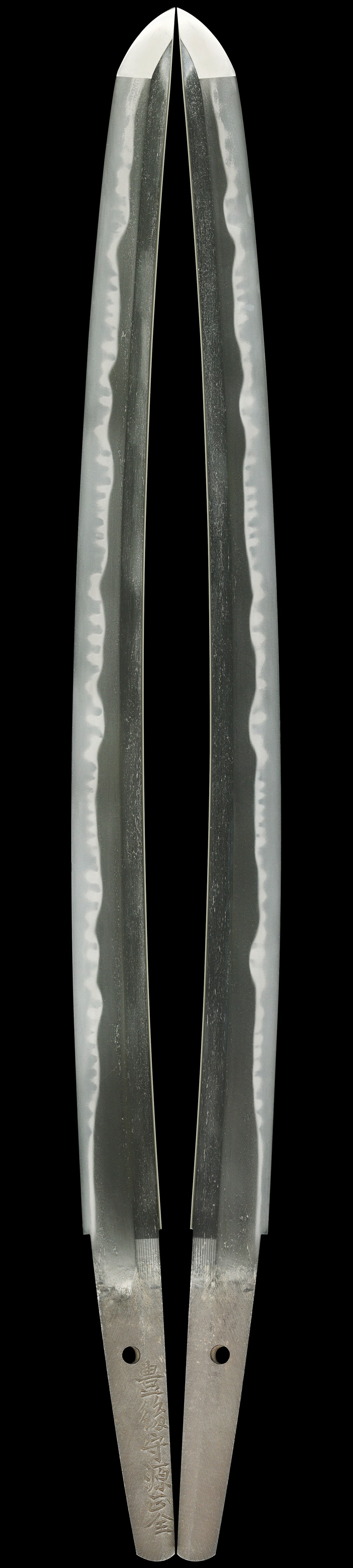
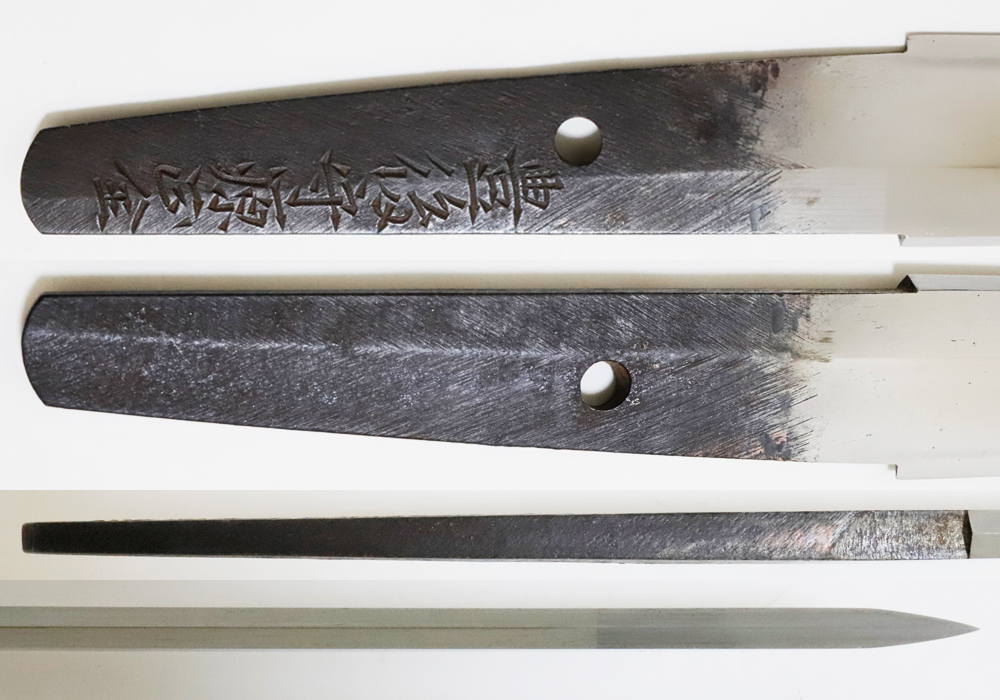
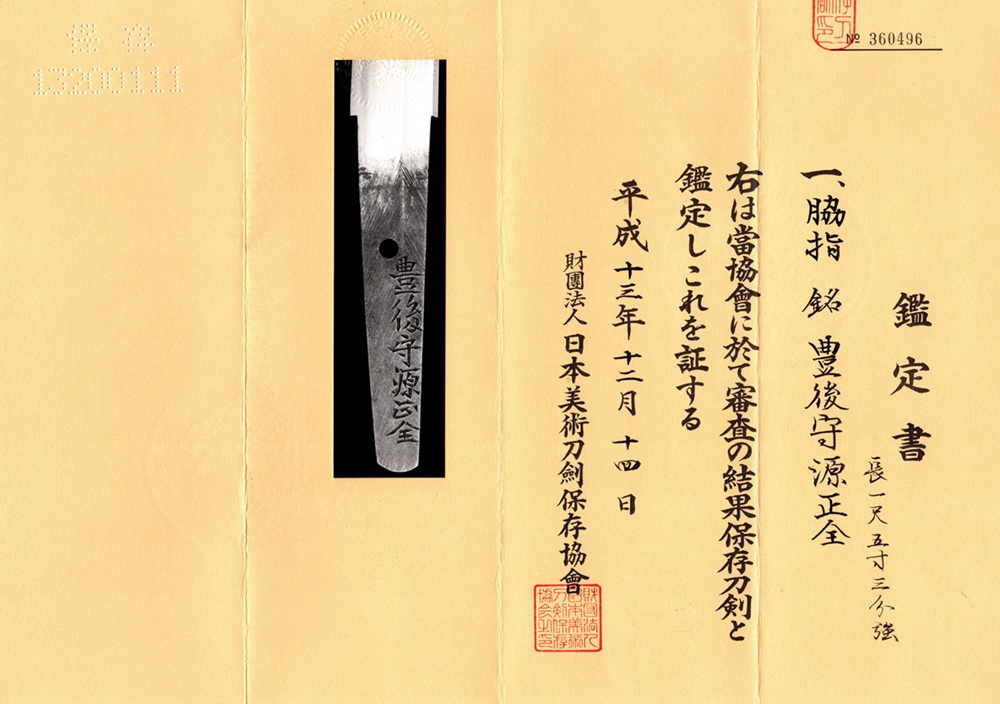
Bungo no Kami Minamoto Shozen/Masayasu/Masamitsu Back: -- |
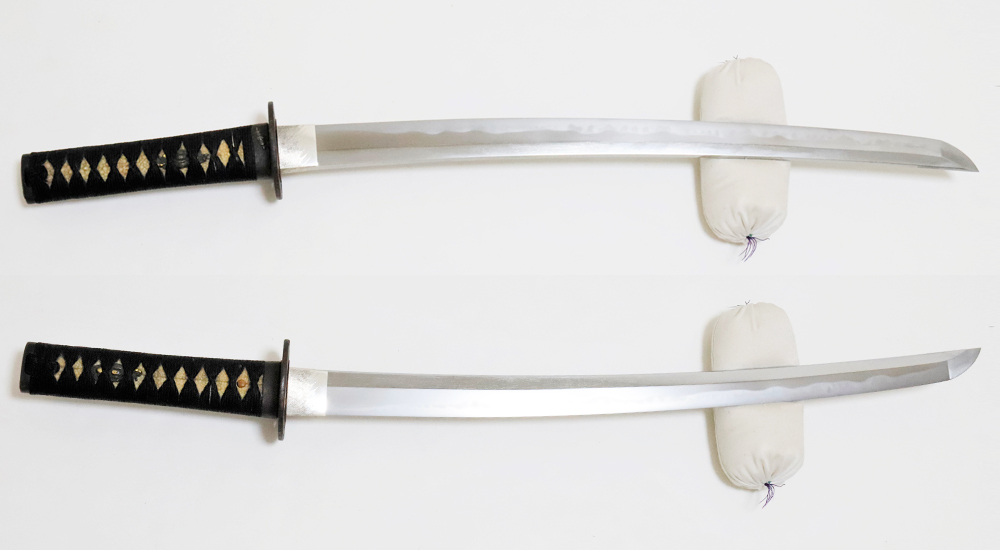
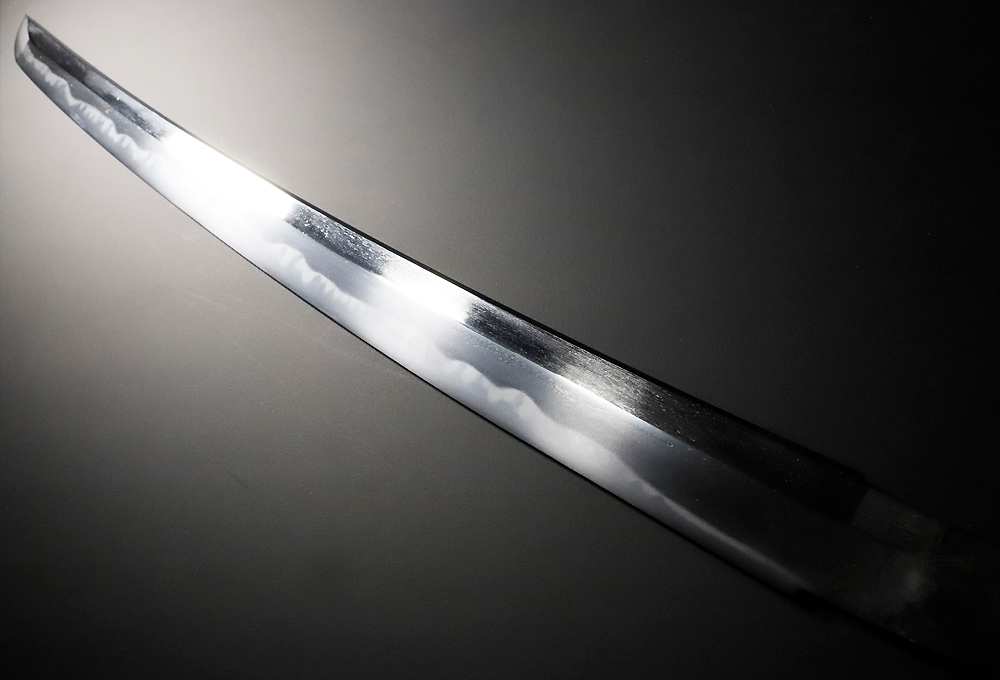
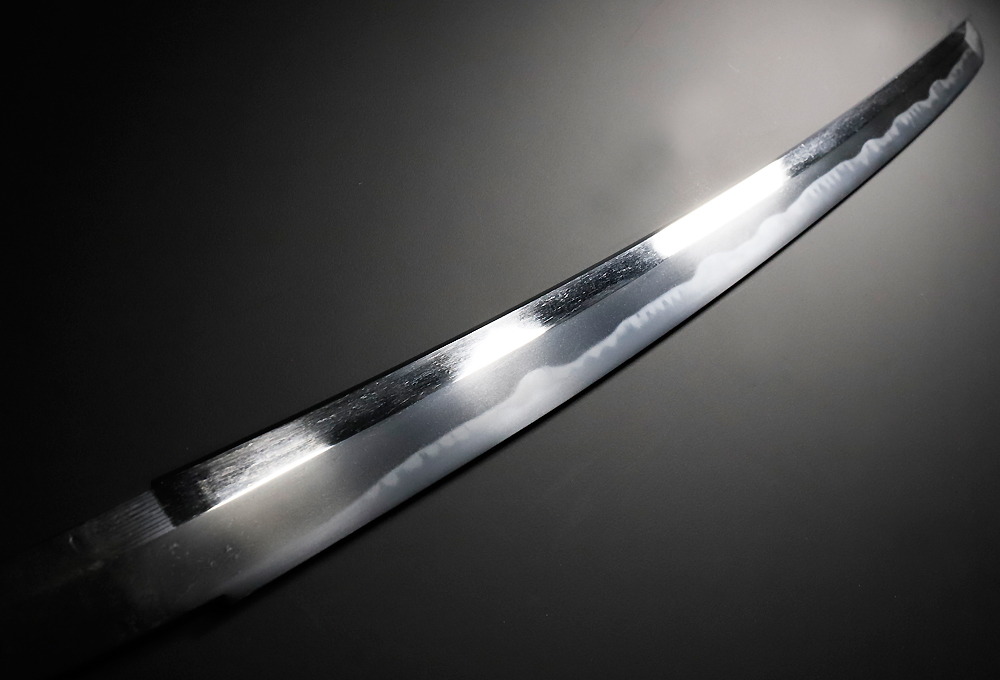
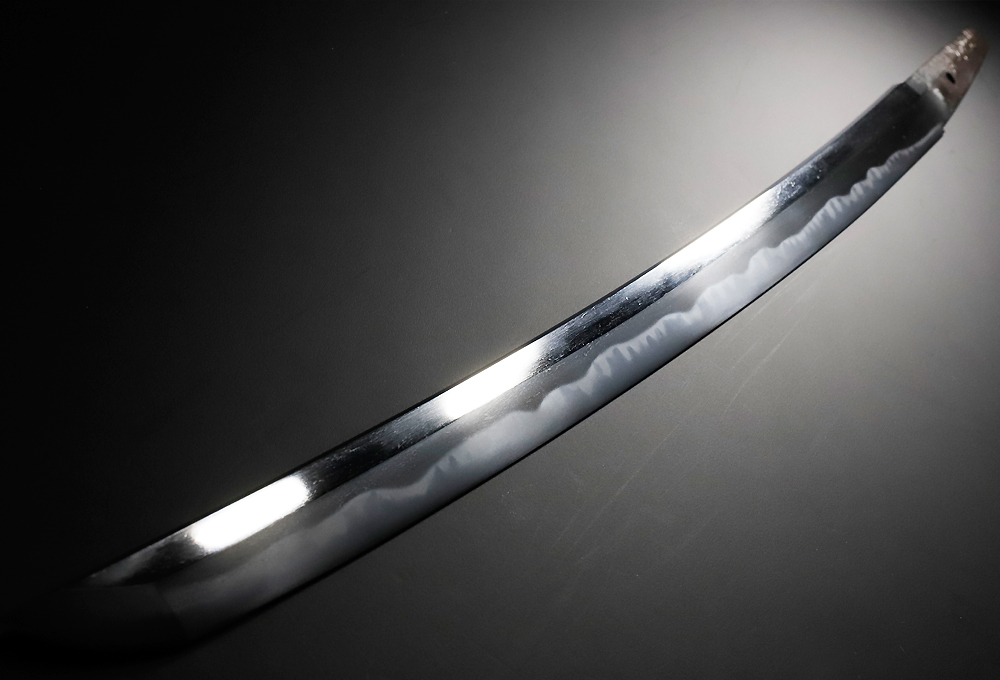
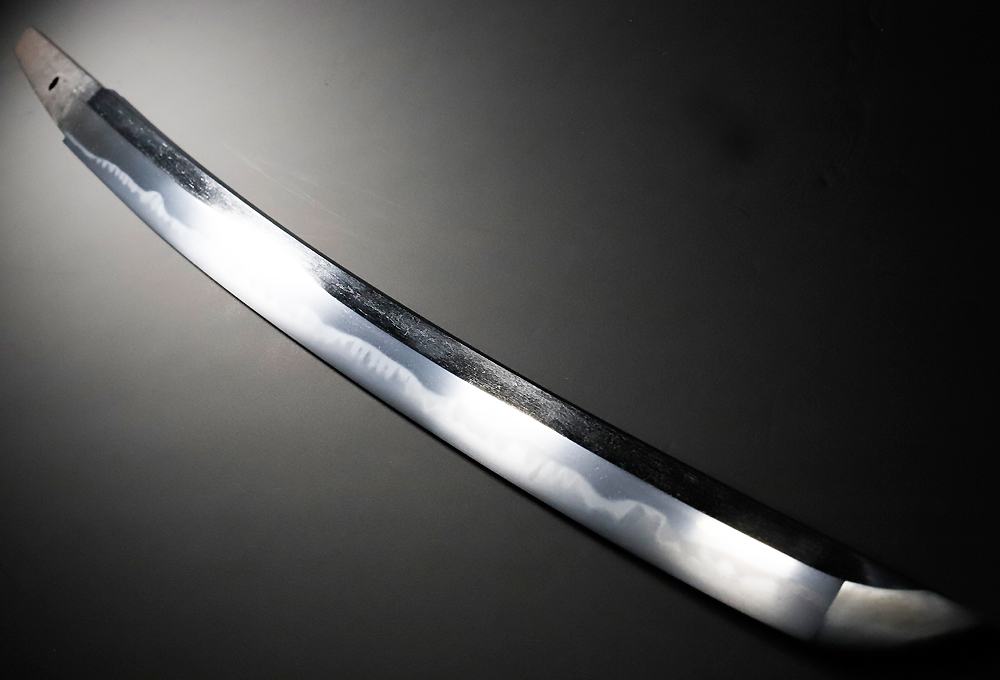
| Shape | Shinogi-zukuri with an iori-mune, wide mihaba, thick kasane, and restrained sori, showing a refined sugata |
| Region | Owari Province |
| Era | Early Edo Period(around the Enpo Era 1673-1681) |
| Length |
46.5 cm 18.3 in |
| Sori (curvature) |
1 cm 0.4 in |
| Motohaba |
3.1 cm 1.2 in |
| Sakihaba |
2.1 cm 0.8 in |
| Munekasane |
0.7 cm 0.3 in |
| Status | Hozon Token |
| Certification Date | December 14, 2001 |
| Registration Authority | Okayama Prefecture |
| Registration Date | September 03, 2001 |
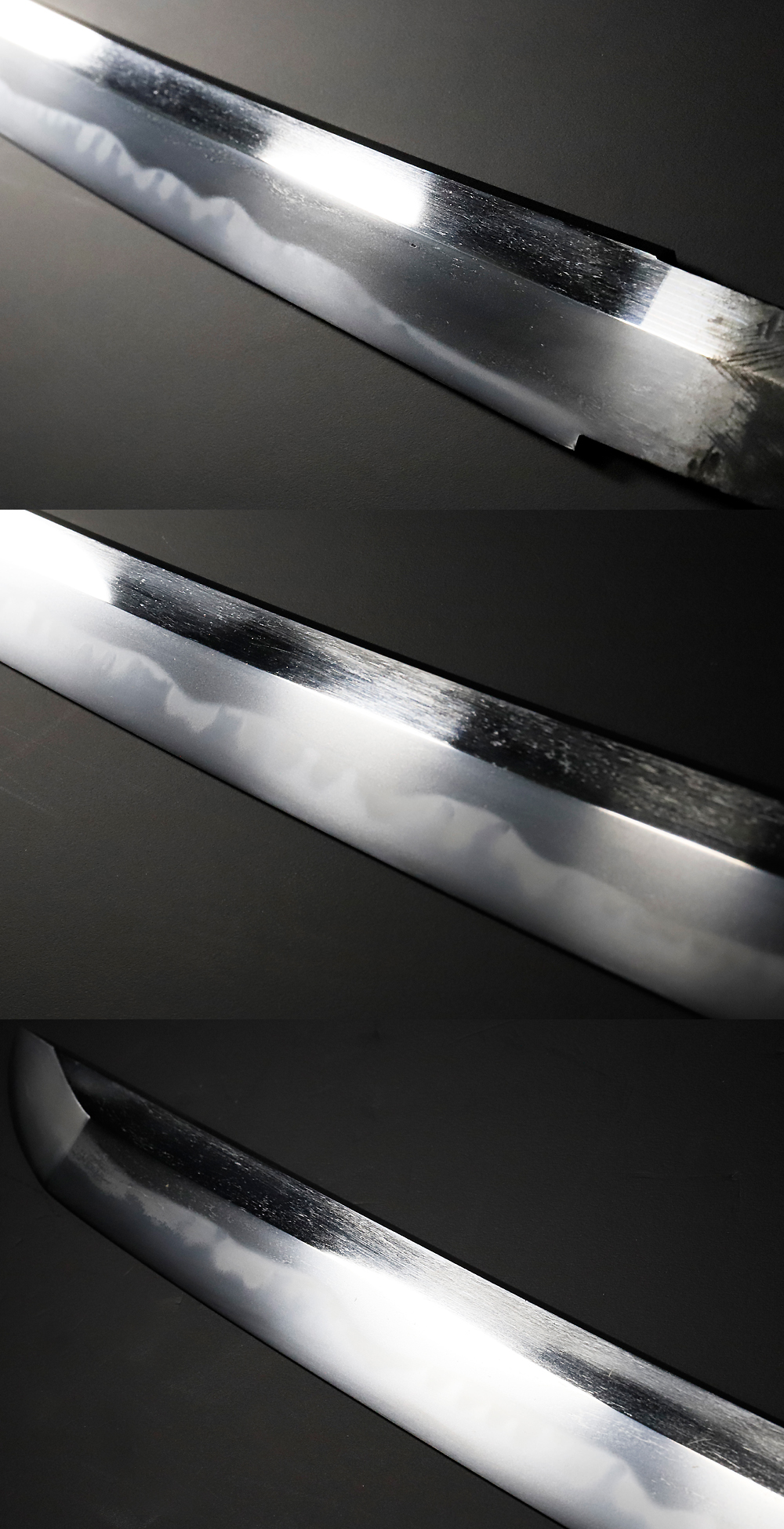
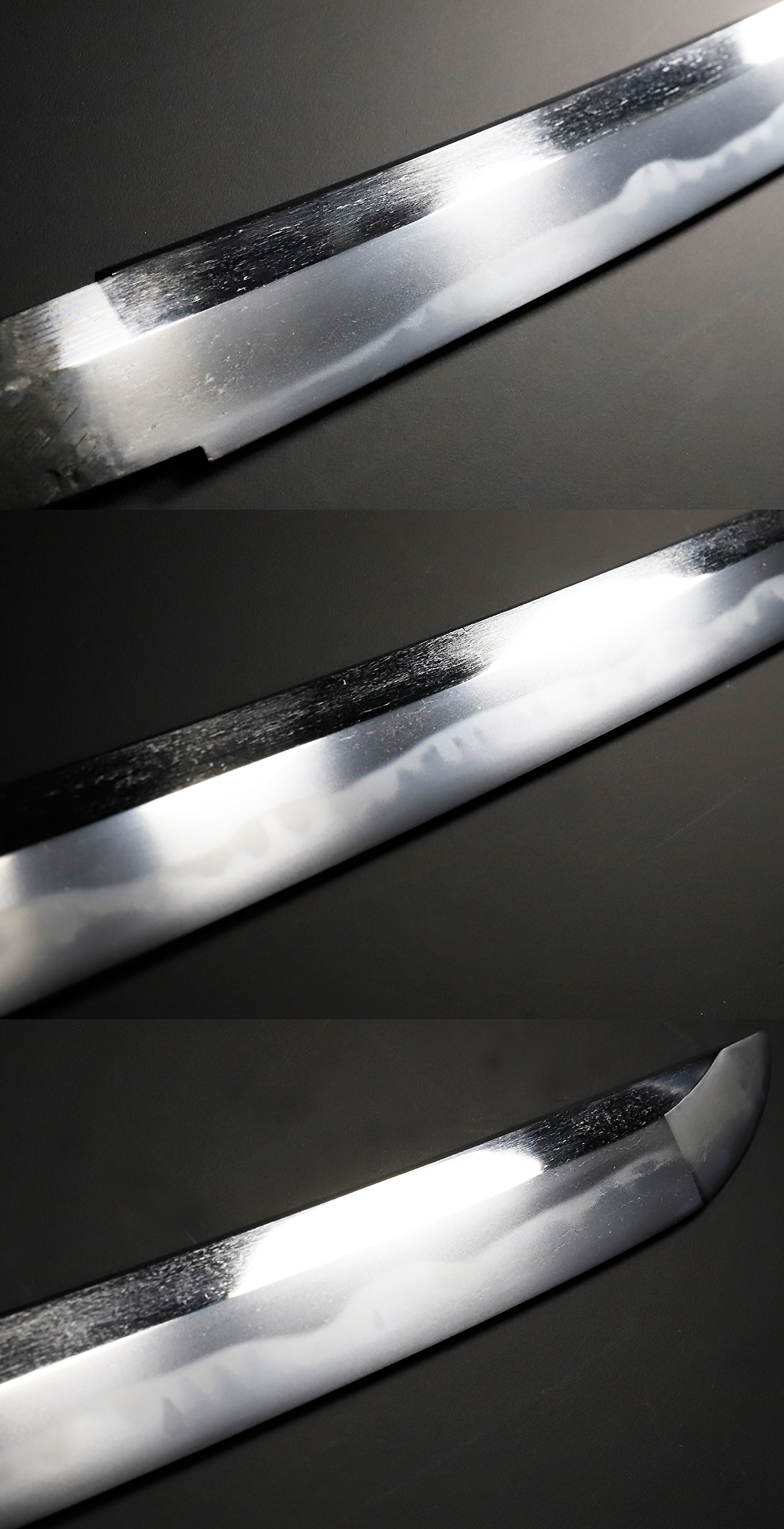
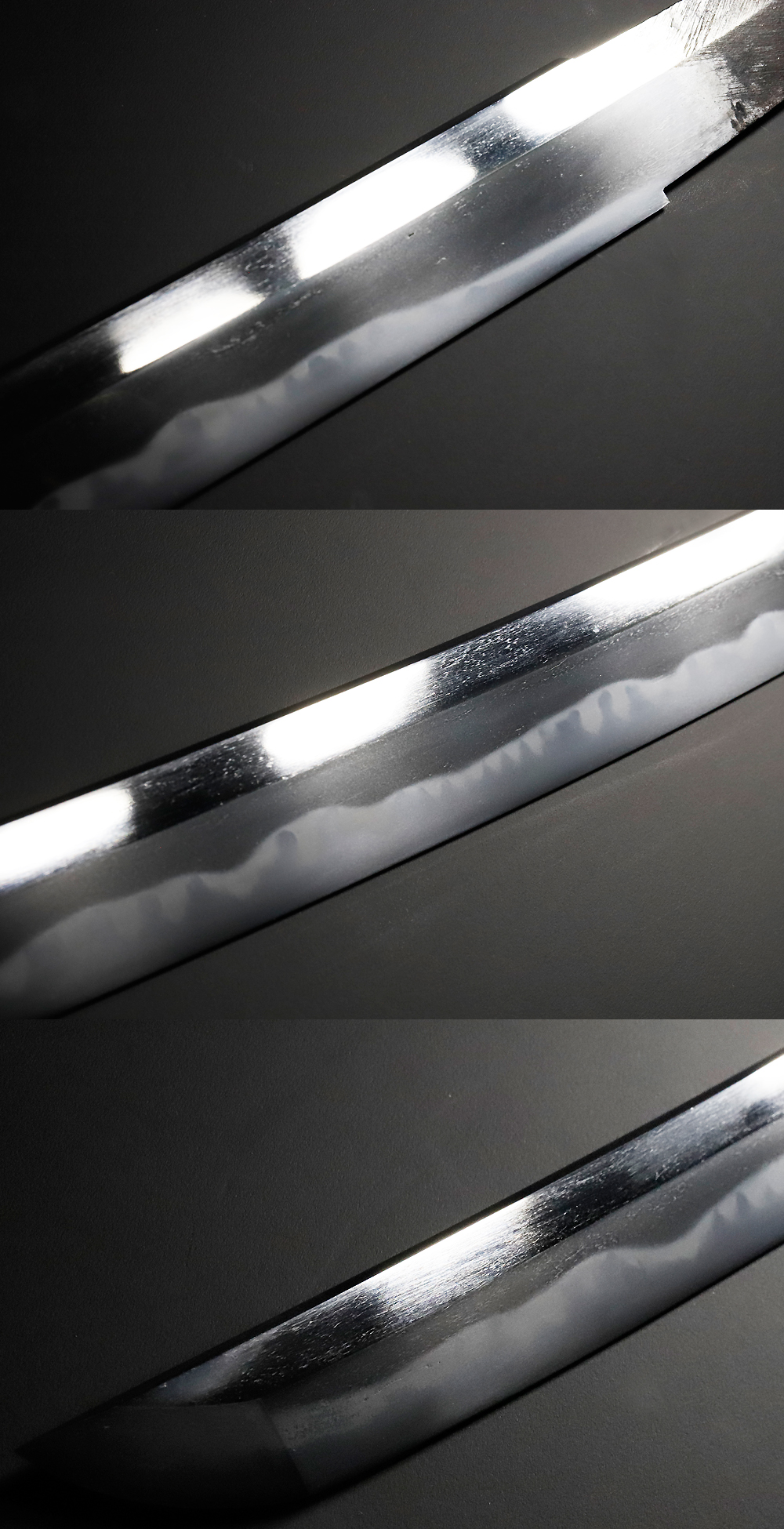
| Jihada (Metal pattern) | Ko-itame hada with flowing grain and ji-nie |
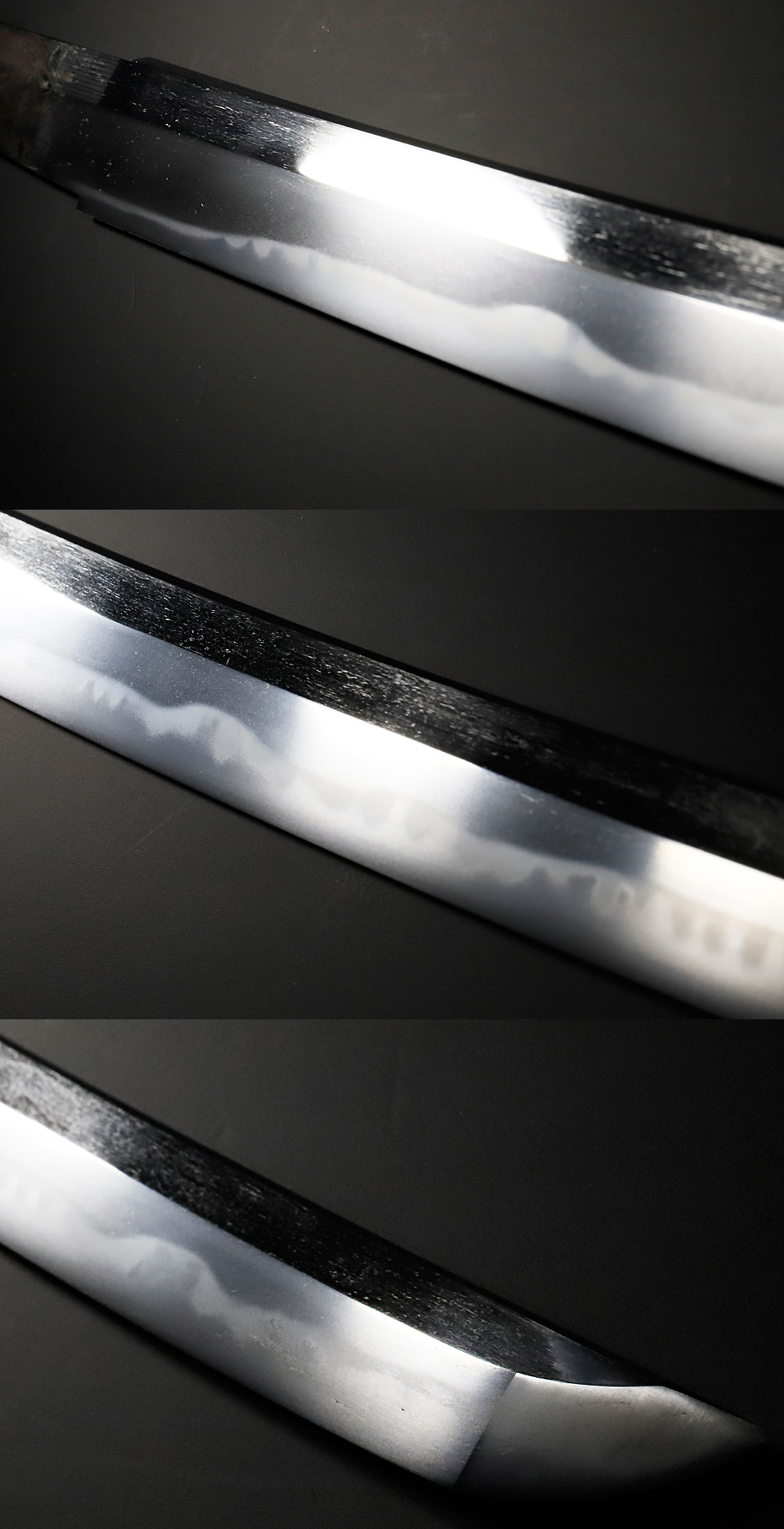
| Hamon (Temper line) | Gunome-chōji midare with straight yakidashi, showing a variety of changes such as pointed peaks, angular elements, and kataochi-gunome |
| Bōshi (Point / Tip) | Covered with nie, hakikake, and returning in a small turnback |
| Nakago (Tang) | Ubu, takanoha yasurime, kurijiri |
| Mekugiana (Rivet holes) | 1 |
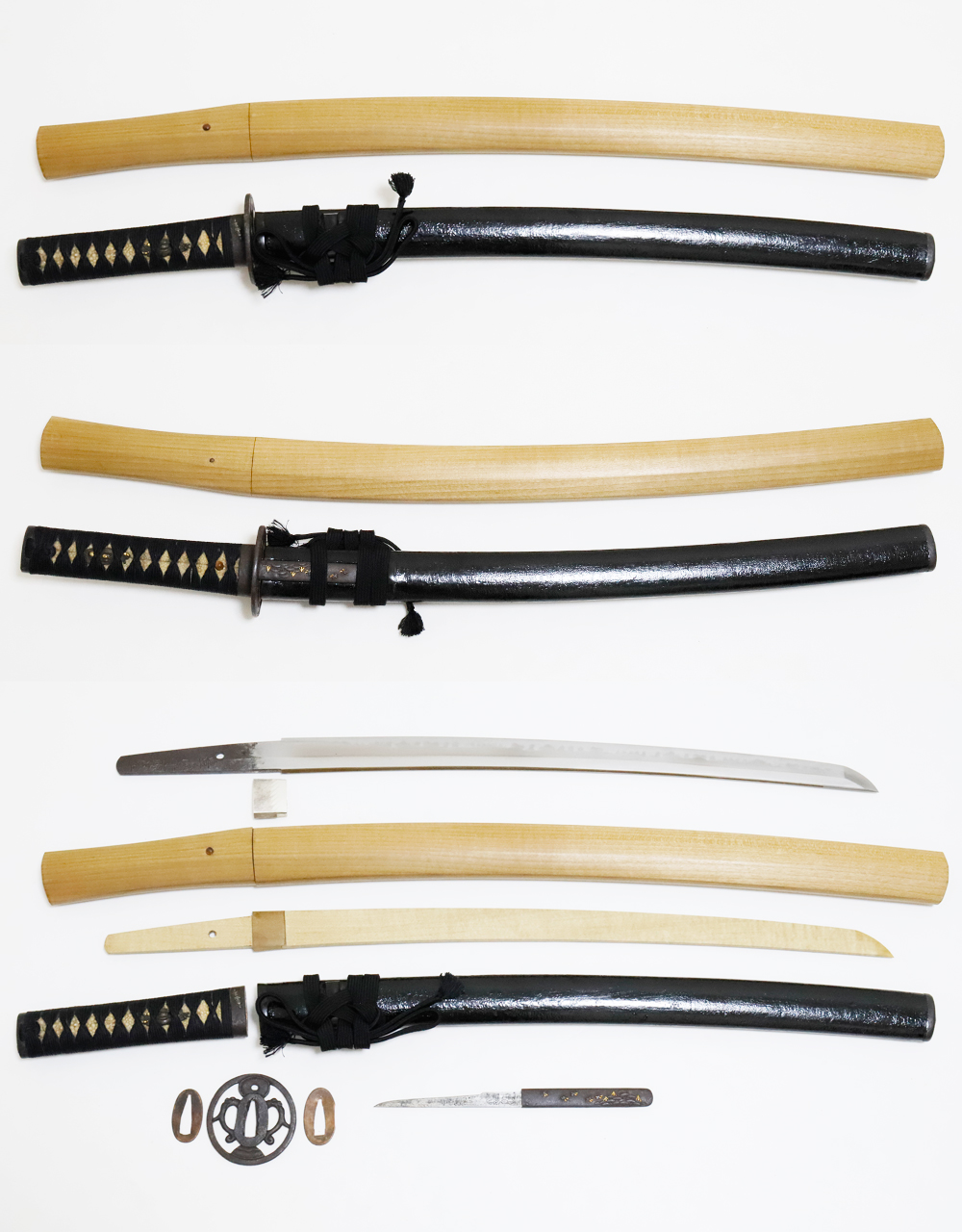
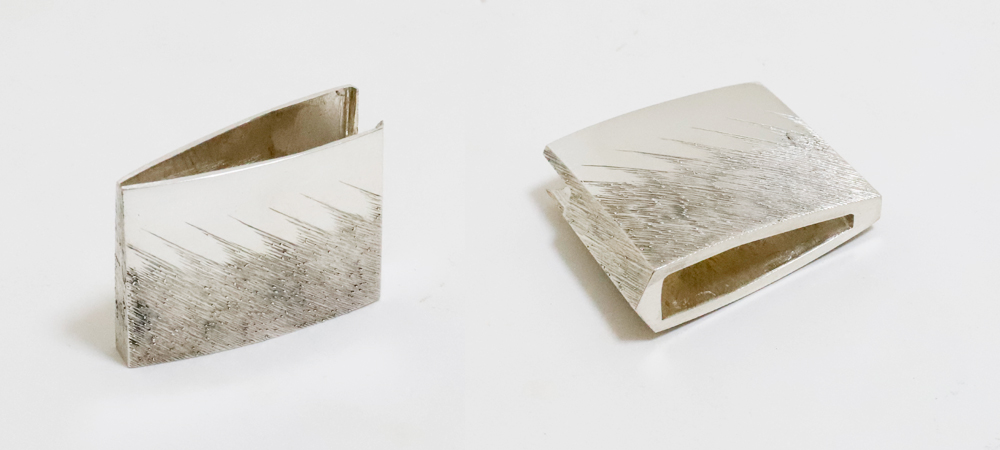
| Habaki | Solid silver habaki with koshiyujo file marks |
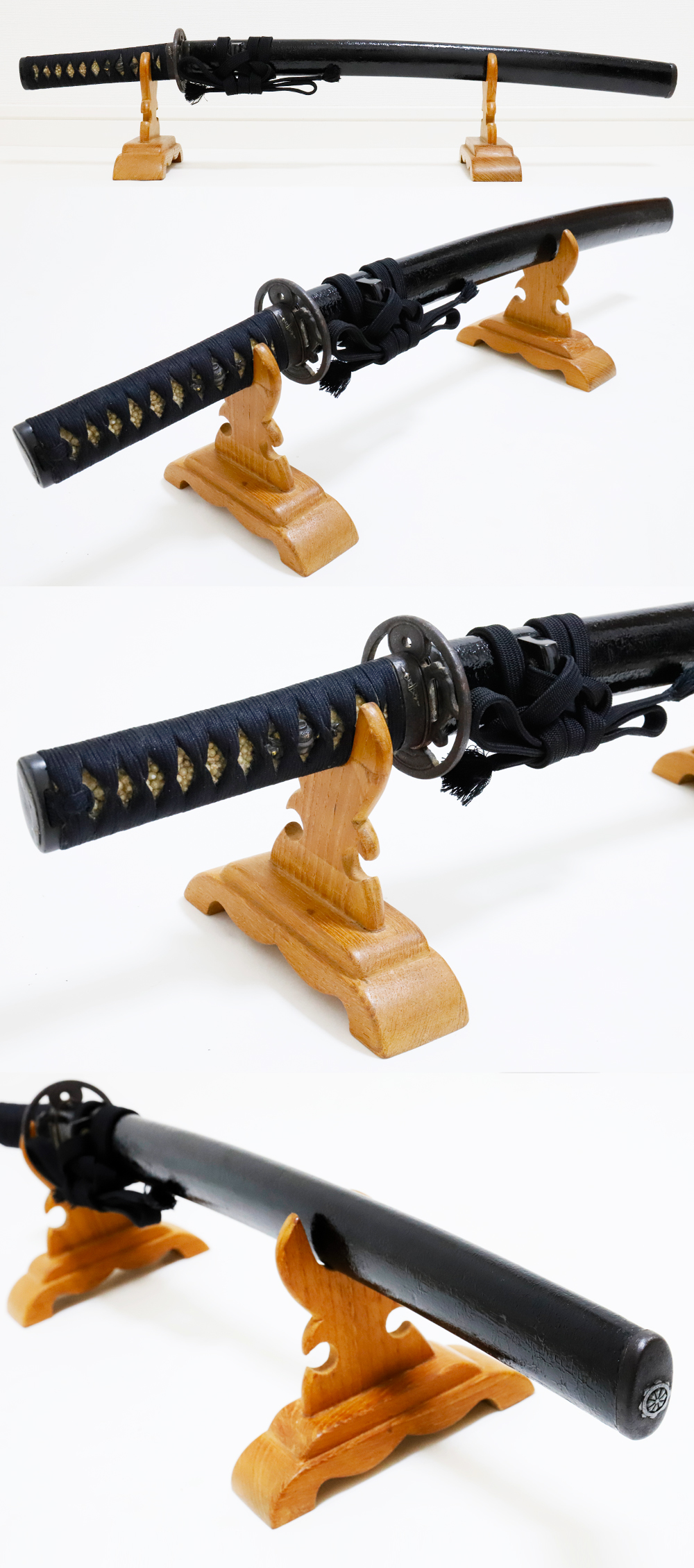
| Mountings | Koshirae-tsuki |
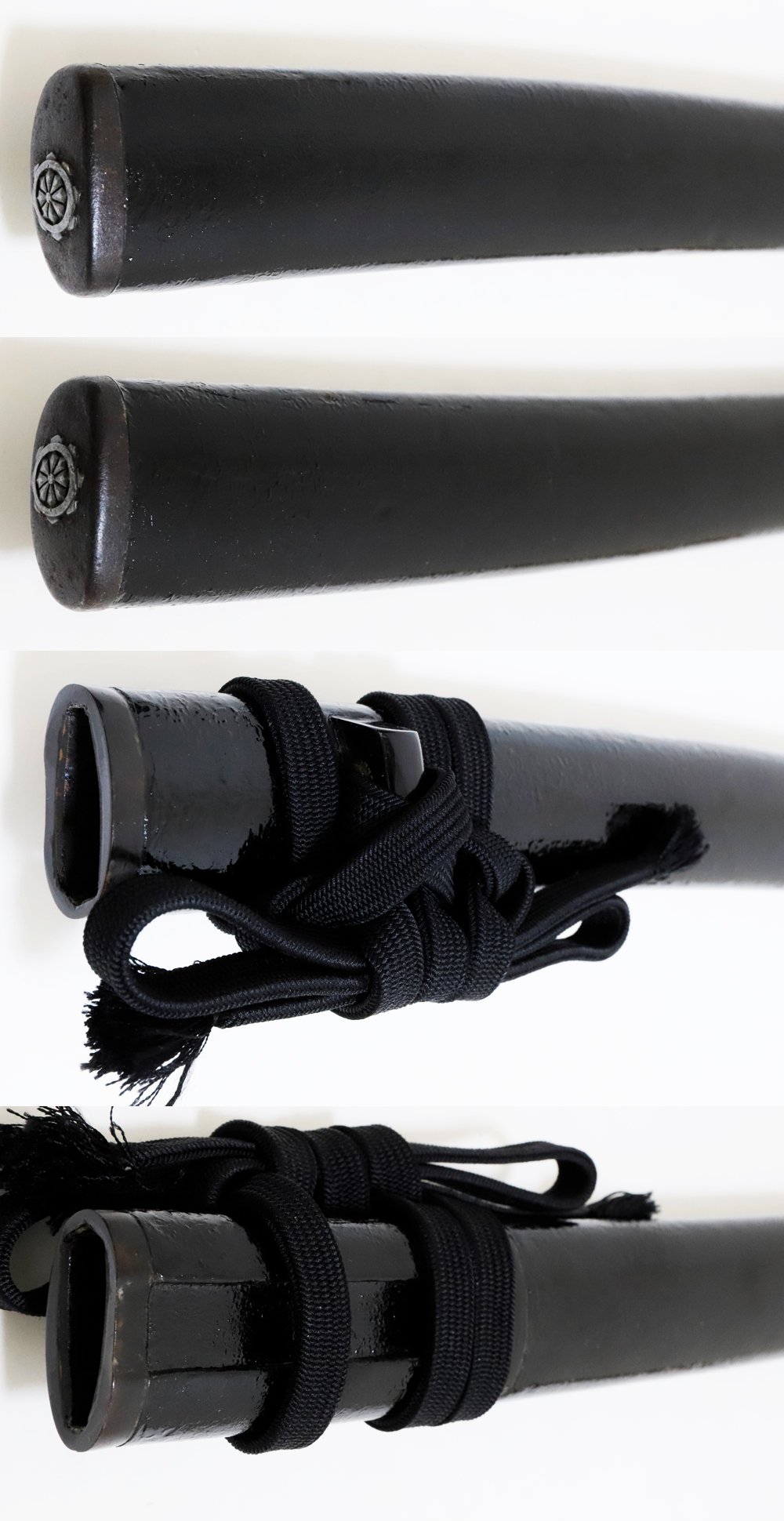
| Koshirae | Wakizashi koshirae with a black roiro lacquered saya in a mushikui-nuri finish |
| Koshirae Length |
66.3 cm 26.1 in |
| Tsuka Length |
16.3 cm 6.4 in |
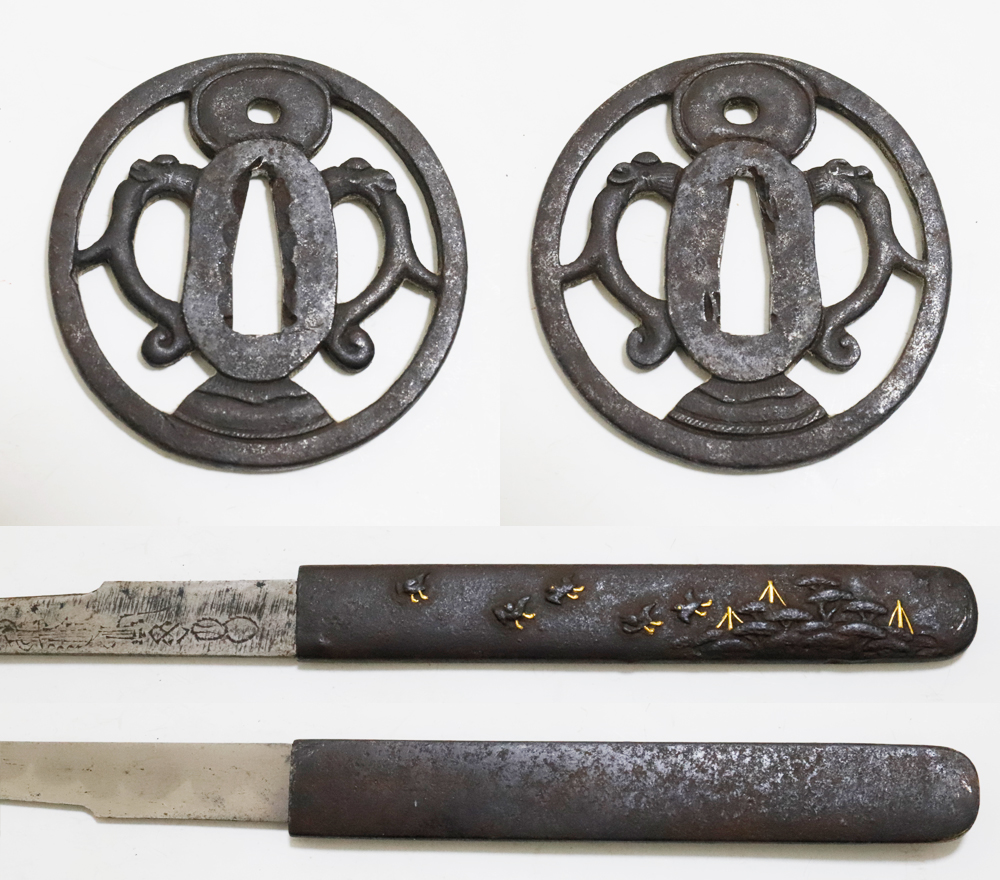
| Tsuba | Katchūshi tsuba, iron ground, vertically oriented round shape, dotemimi rim |
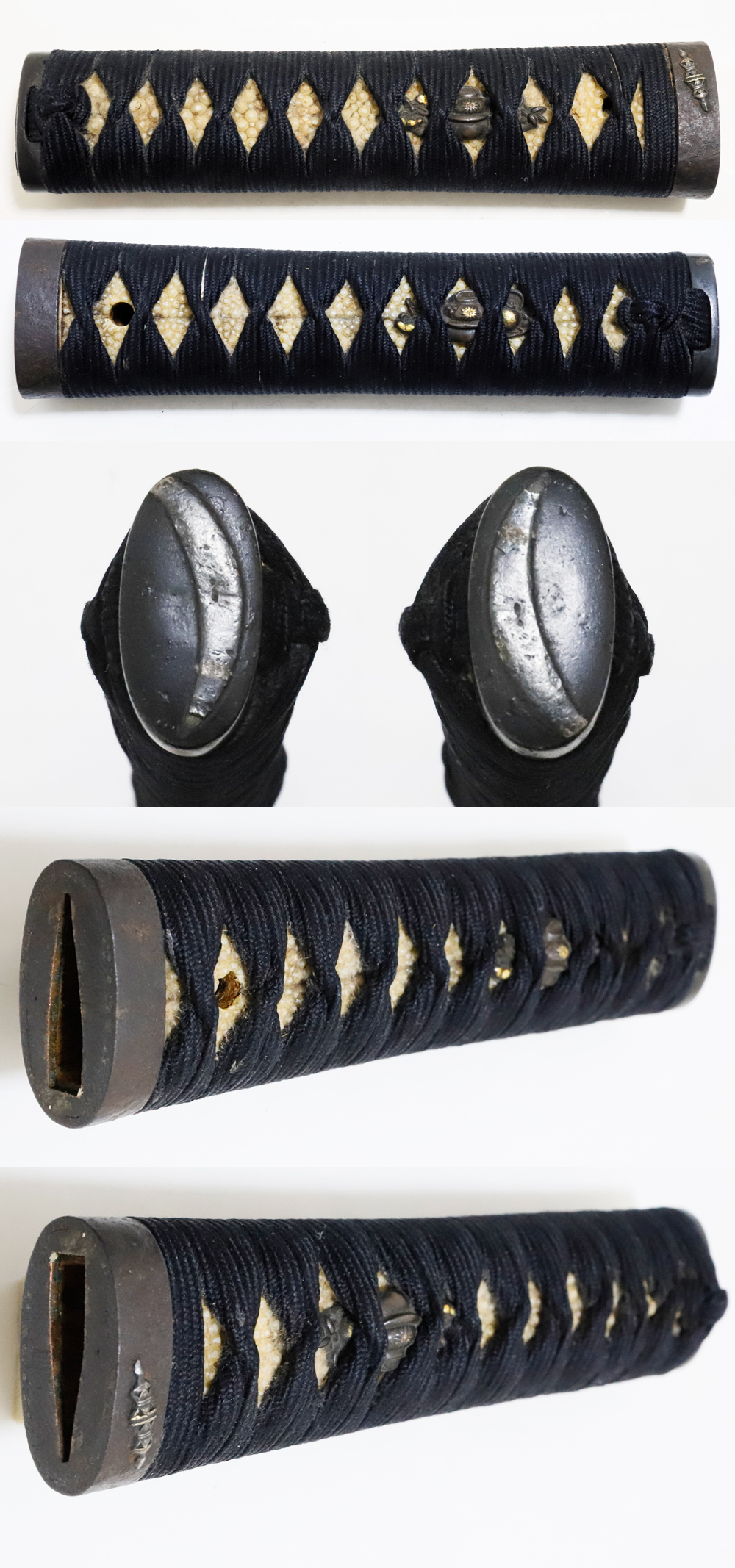
| Menuki | Horse design |
| Fuchigashira | Mountain path design, rōgin ground |
| Kozuka | Autumn grasses design, rōgin ground with katakiribori engraving |
| Other details | Tsuka covered with white samegawa and wrapped in unohana-colored twisted ito. Rōgin kojiri |
Price |
SOLD |
| Owari Province bordered Mino Province, and during the late Muromachi period many skilled Mino swordsmiths, such as Ujifusa, Masatsune, and Nobutaka, moved to Owari. Masayasu was one of them.Originally from Seki in Mino Province, Masayasu later lived in the castle town of Nagoya. In 1664, he received the title of Bungo Daijō and later Bungo no Kami.This wakizashi is in shinogi-zukuri style with an iori-mune. It has a wide mihaba, thick kasane, and restrained sori, giving the blade a refined appearance. The jihada is ko-itame mixed with flowing grain and ji-nie. The hamon is a lively gunome-chōji midare beginning with straight yakidashi, showing rich variation with pointed peaks, angular elements, and kataochi-gunome.The blade remains in healthy ubu condition and bears the bold signature “Bungo no Kami Minamoto Masayasu.” Both the jigane and hamon are well preserved, and the workmanship is excellent.This blade passed the 2001 Hozon Token shinsa.The sword is accompanied by black roiro mushikui-nuri wakizashi koshirae. |

 Search