| Product No. WA-0897 肥後国同田貫宗広 | |
|---|---|
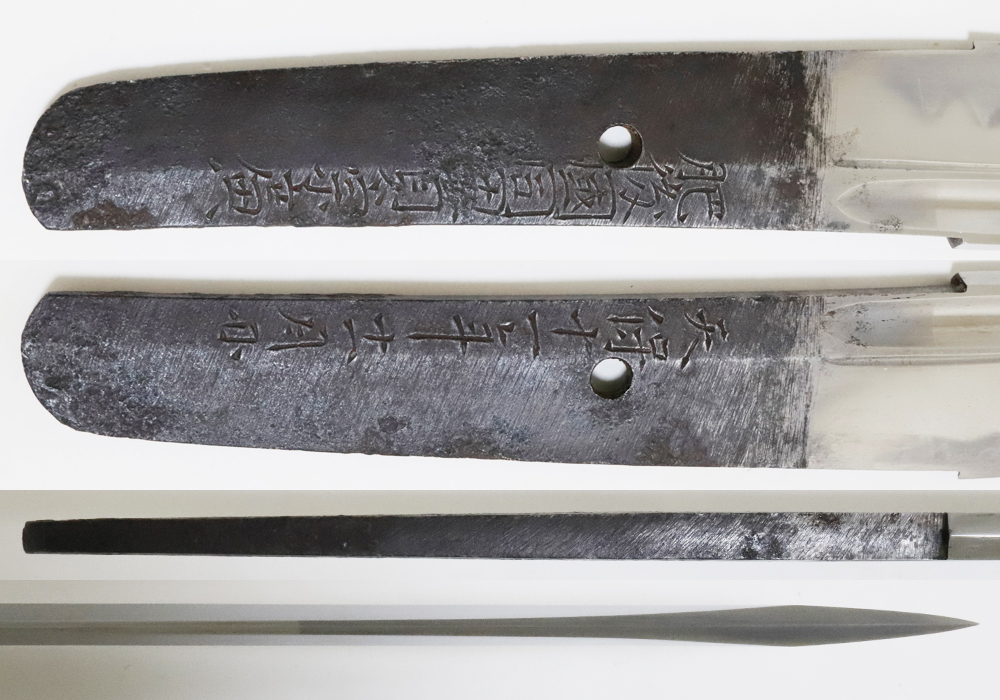
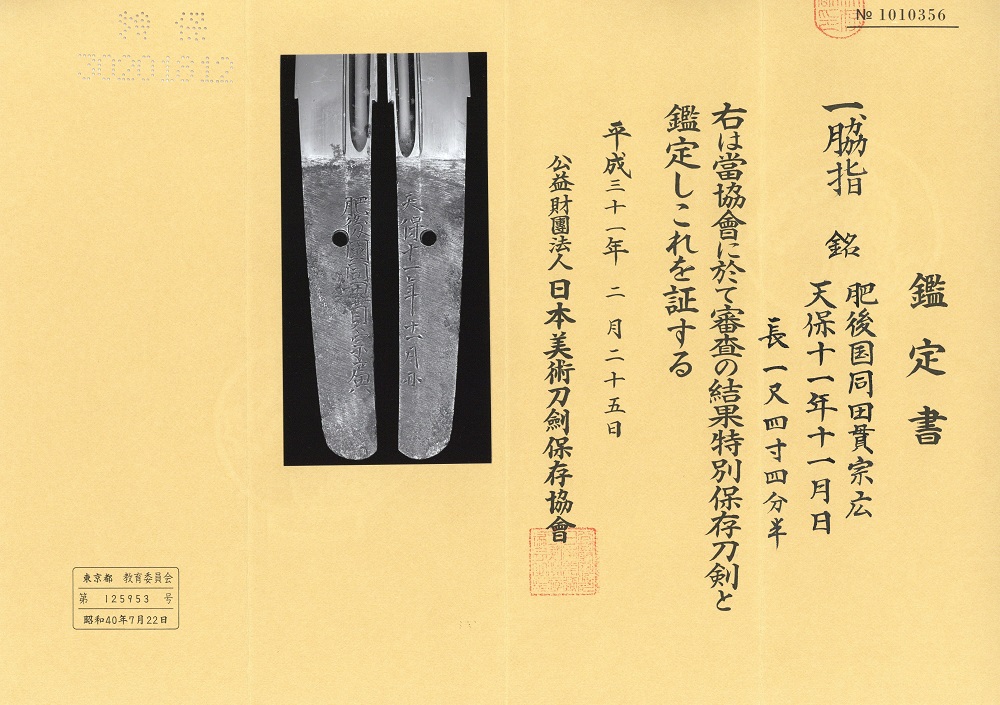
| Mei |
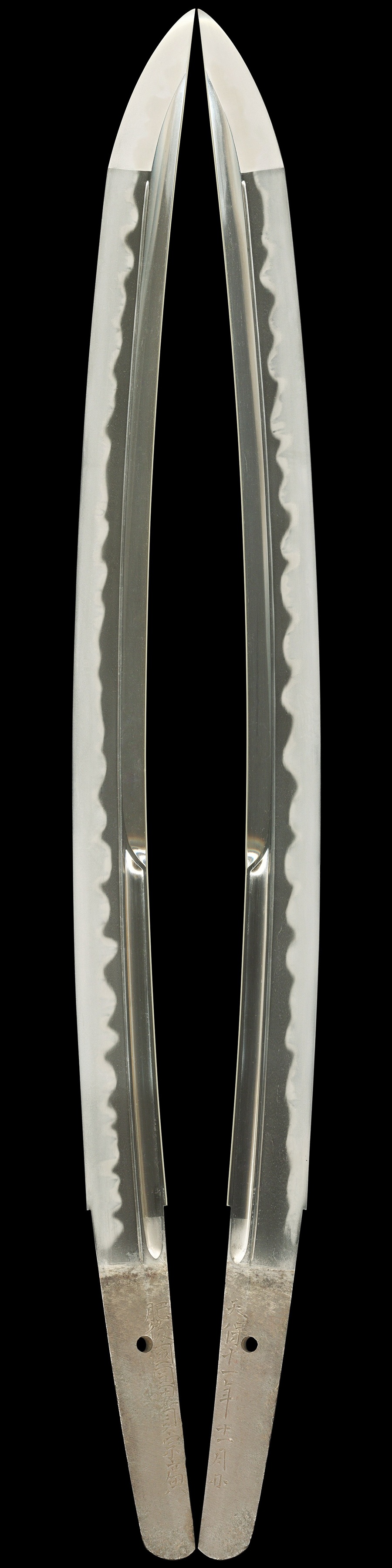
Dotanuki Munehiro from Higo Province Back: On a day in Novembrer 1840 |
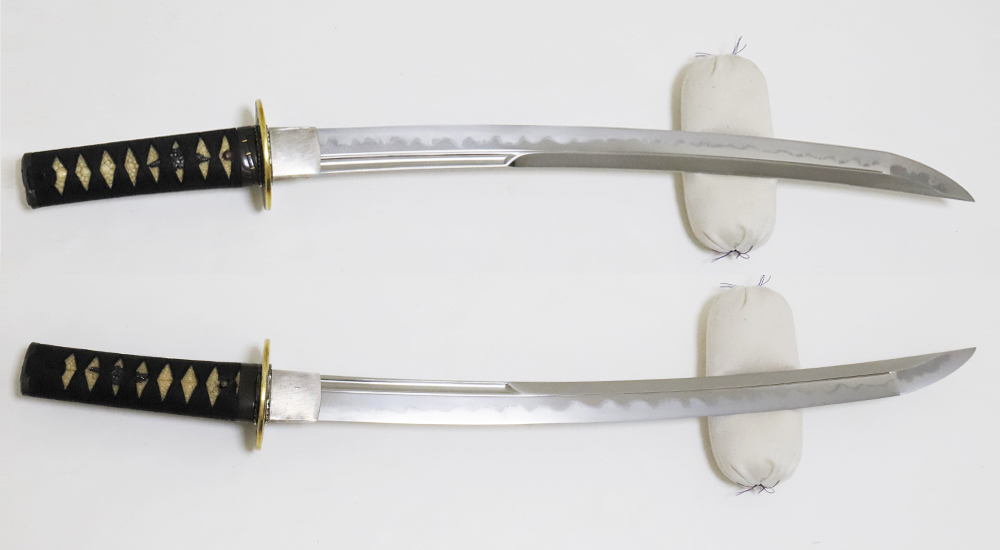
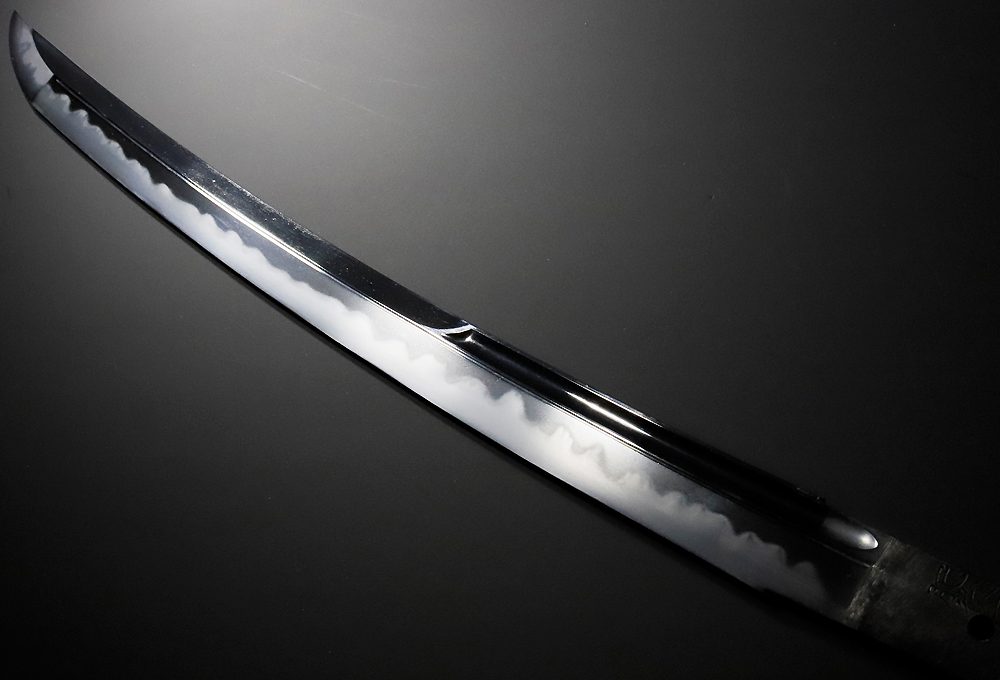
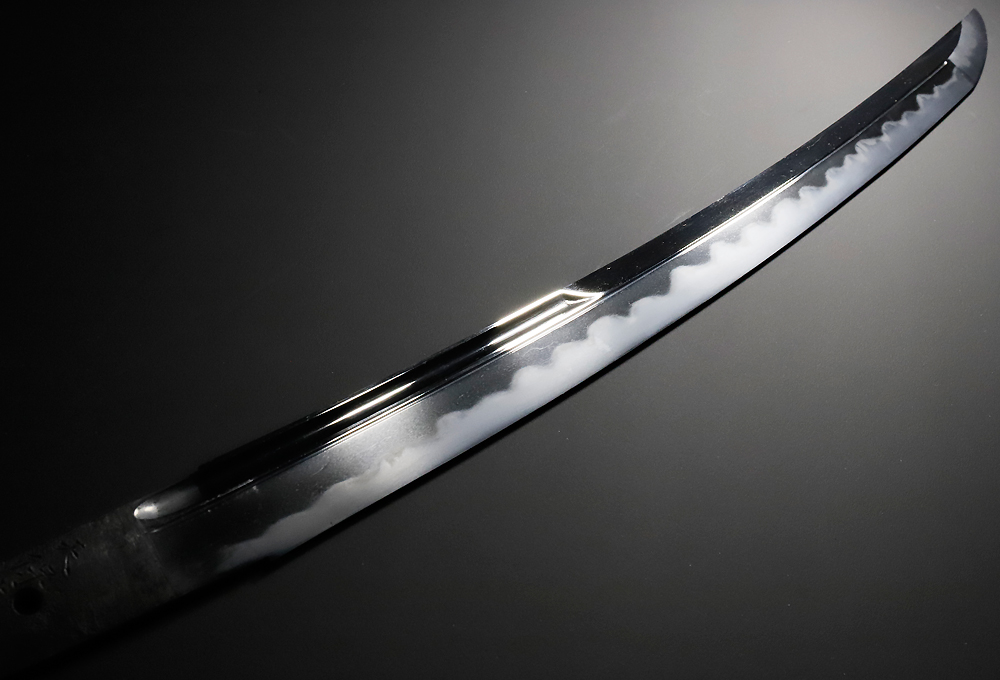
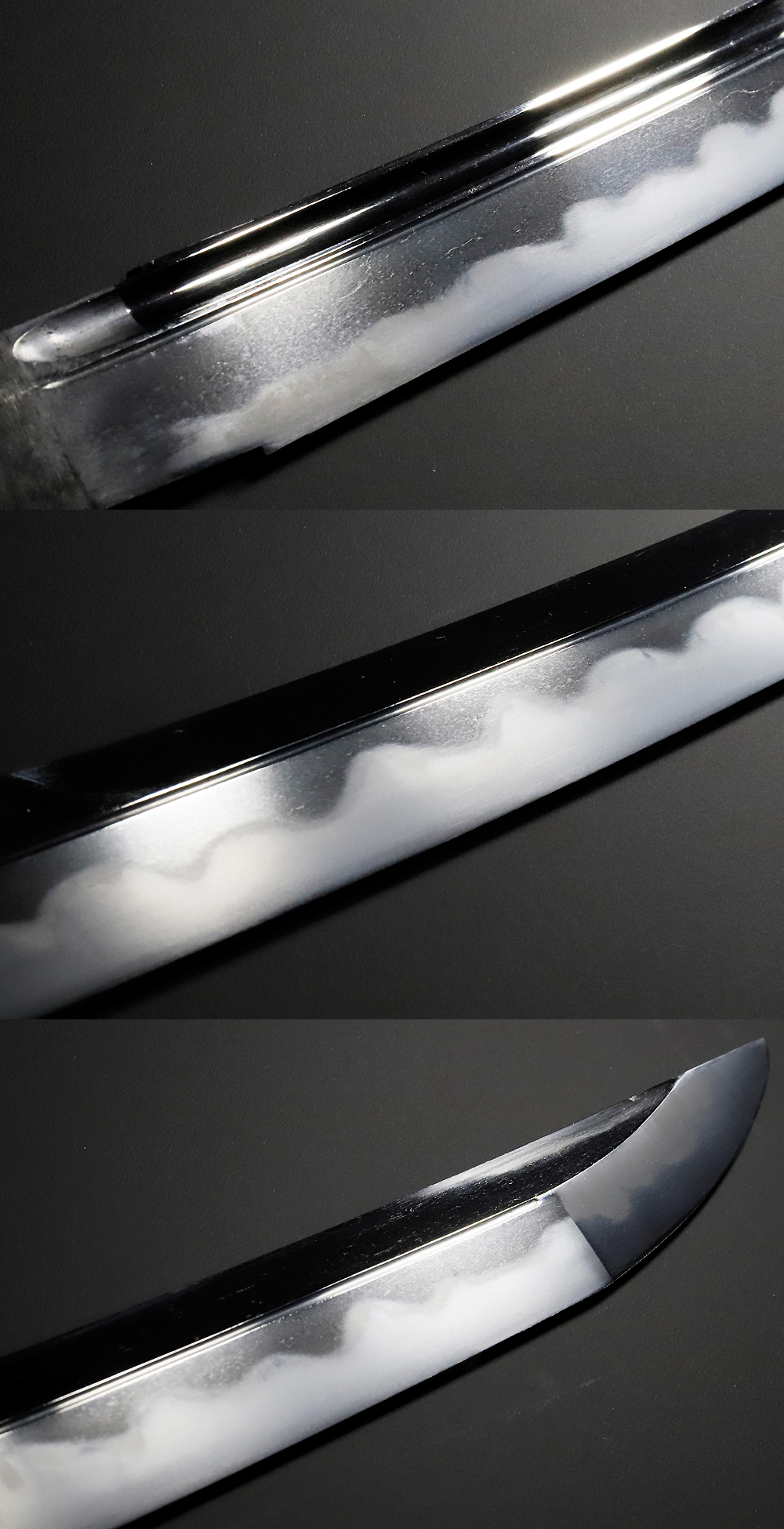
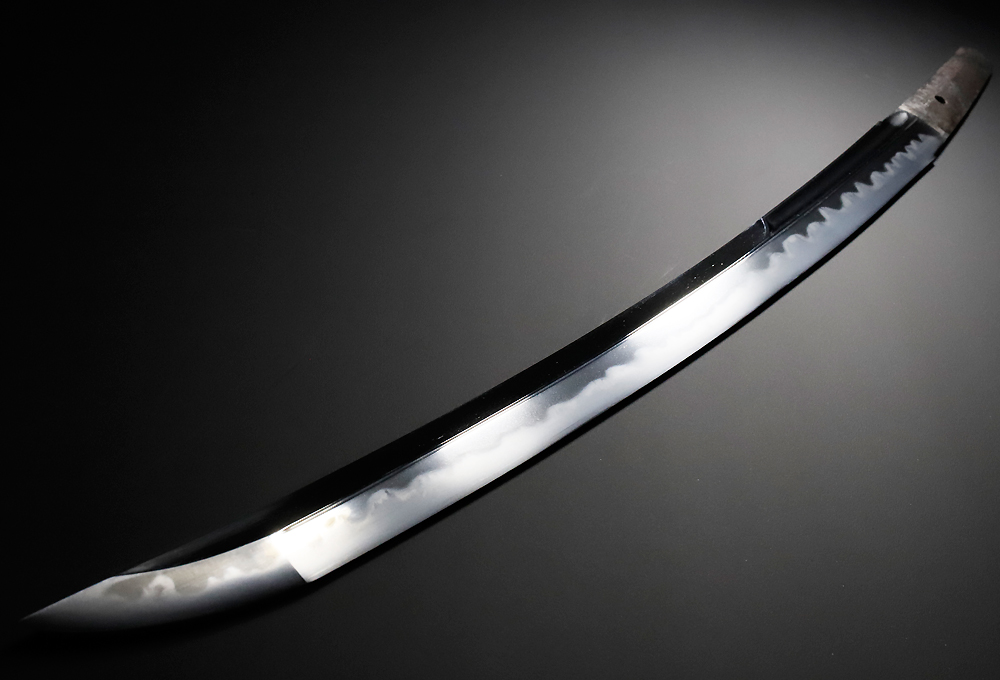
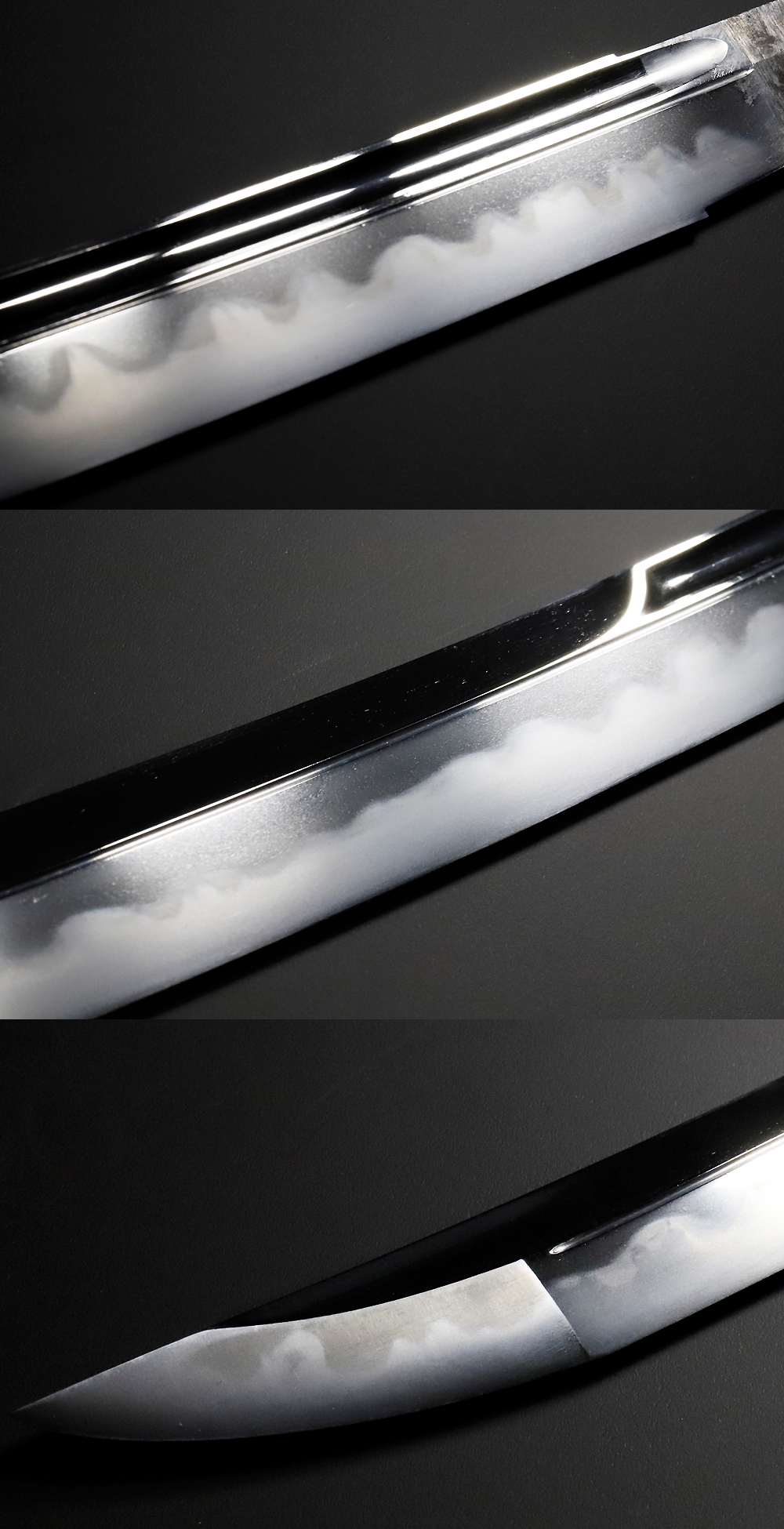
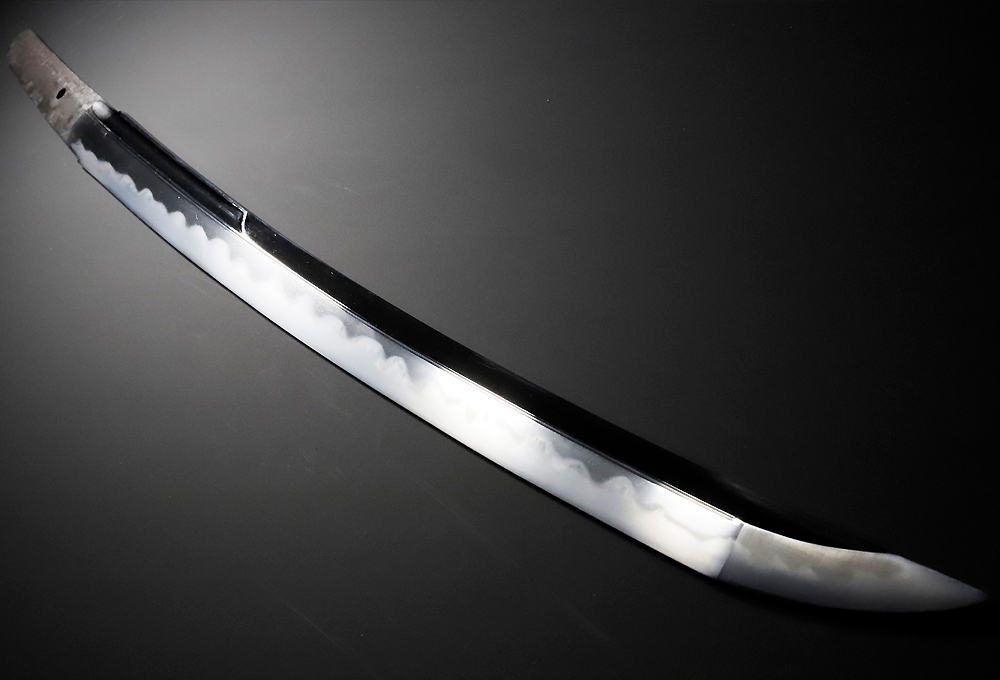
| Shape | Shinogi-zukuri with an iori-mune, the blade has a bold and powerful silhouette, accentuated by the beveled mune and a naginata-hi |
| Region | Higo Province |
| Era | Late Edo Period(Tempo Era) |
| Length |
43.8 cm 17.2 in |
| Sori (curvature) |
1.2 cm 0.5 in |
| Motohaba |
3 cm 1.2 in |
| Sakihaba |
2.6 cm 1.0 in |
| Munekasane |
0.7 cm 0.3 in |
| Status | Tokubetsu Hozon Token |
| Certification Date | February 25, 2019 |
| Registration Authority | Tokyo |
| Registration Date | July 22, 1965 |
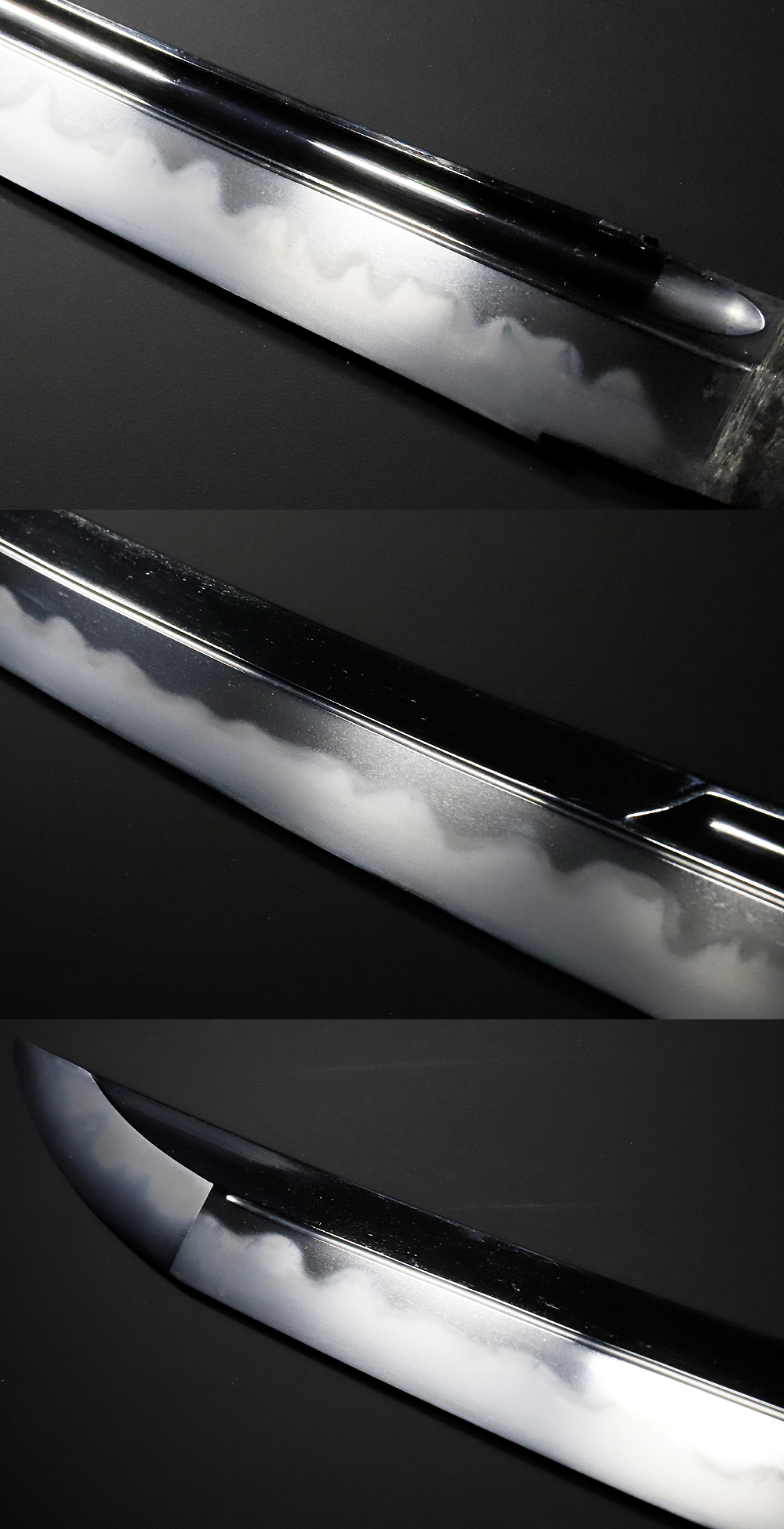
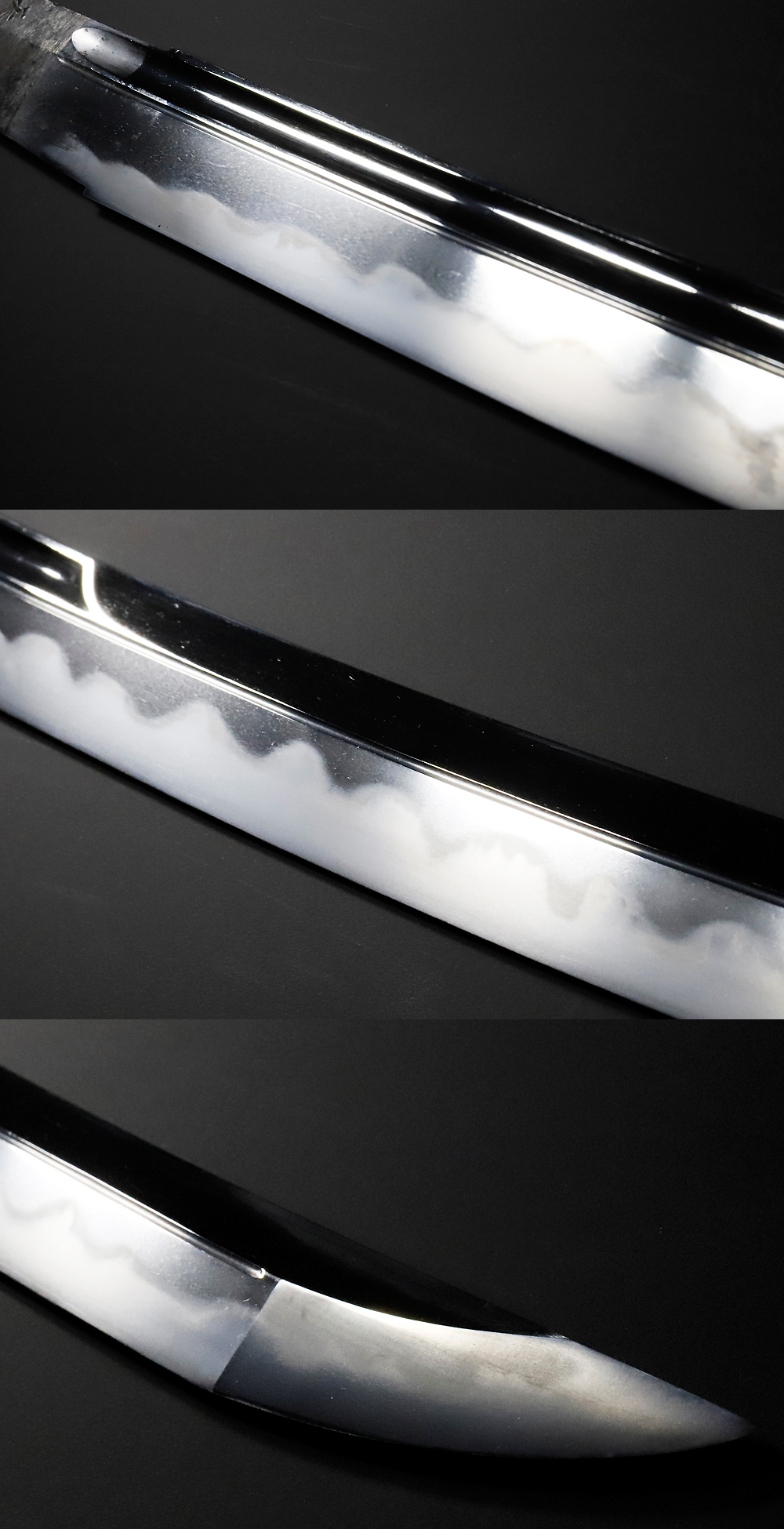
| Jihada (Metal pattern) | Well-forged ko-itame, densely forged, with fine ji-nie |
| Hamon (Temper line) | Gunome-midare in nioi-deki, with a bright nioiguchi |
| Engraving | Naginata-hi on both sides, with accompanying soe-hi extending to just below the yokote |
| Bōshi (Point / Tip) | Midare-komi, turning back deeply in a ko-maru |
| Nakago (Tang) | Ubu, with katte-sagari file marks and a kurijiri tip |
| Mekugiana (Rivet holes) | 1 |
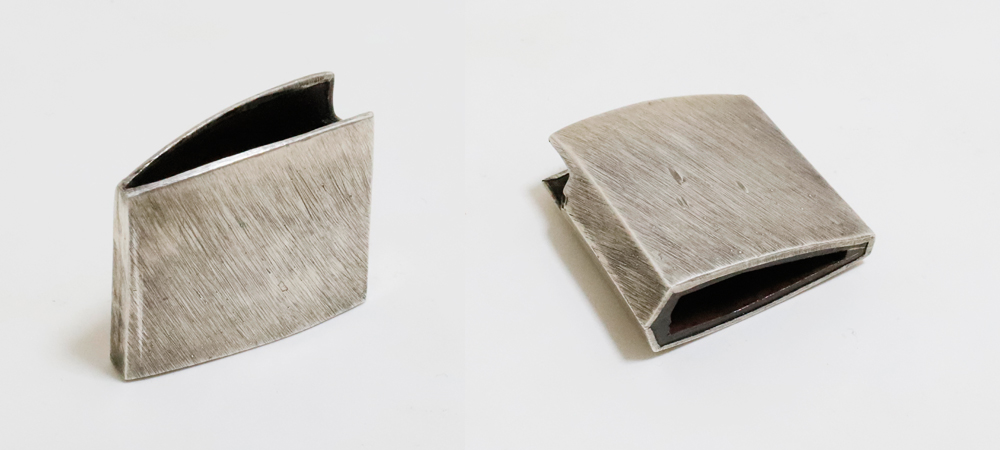
| Habaki | Copper-base, silver-foiled habaki with diagonal file marks |
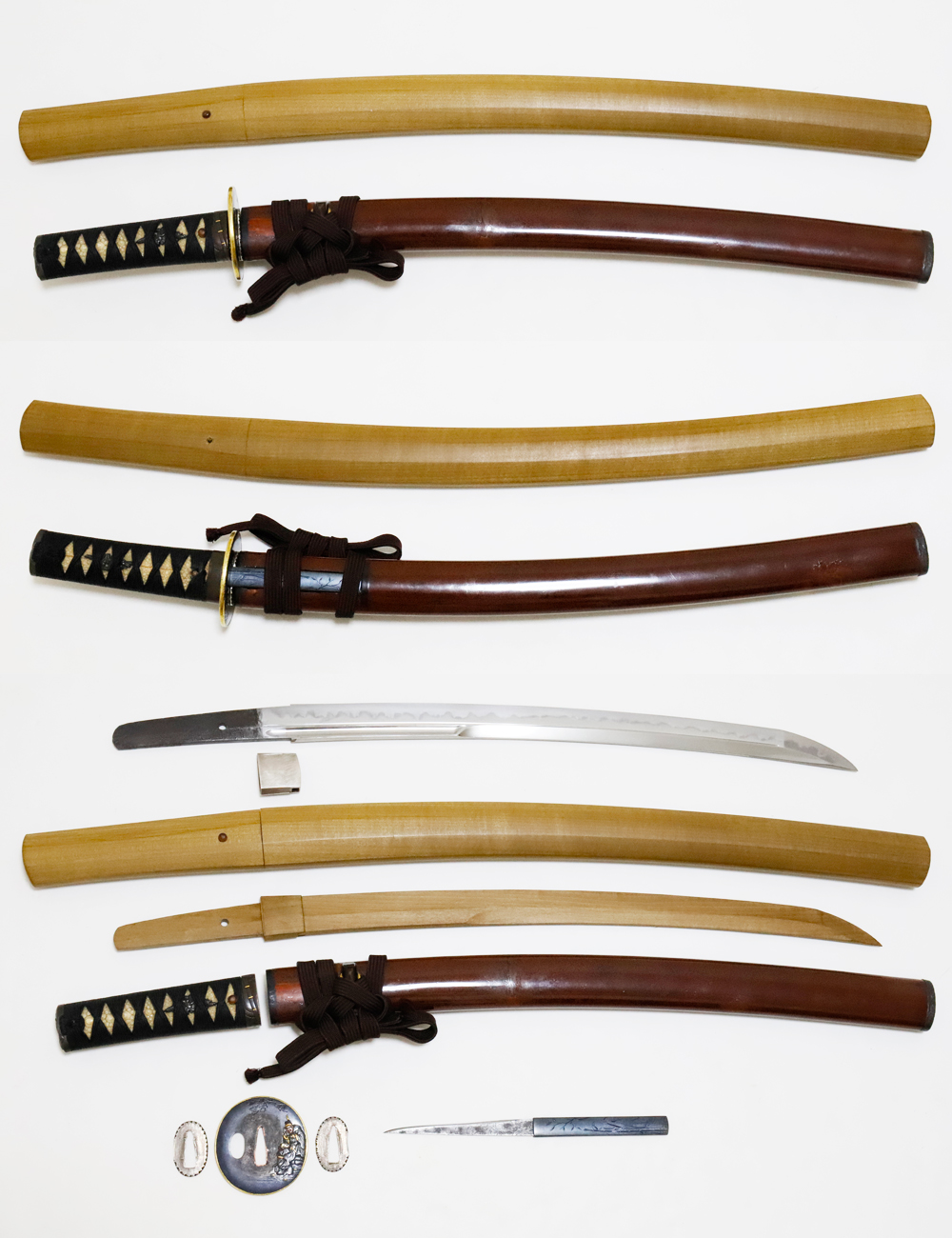
| Mountings | Koshirae-tsuki |
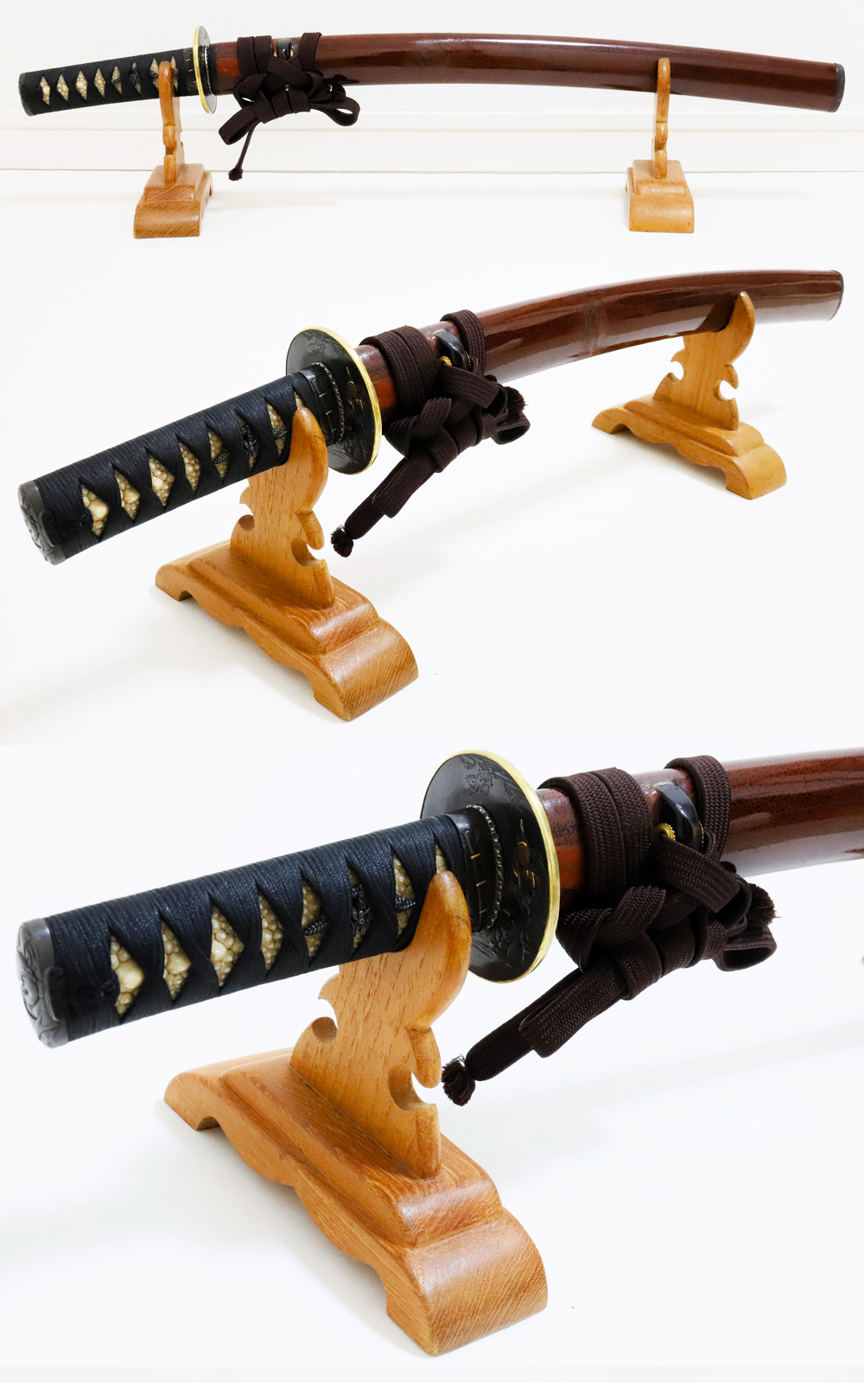
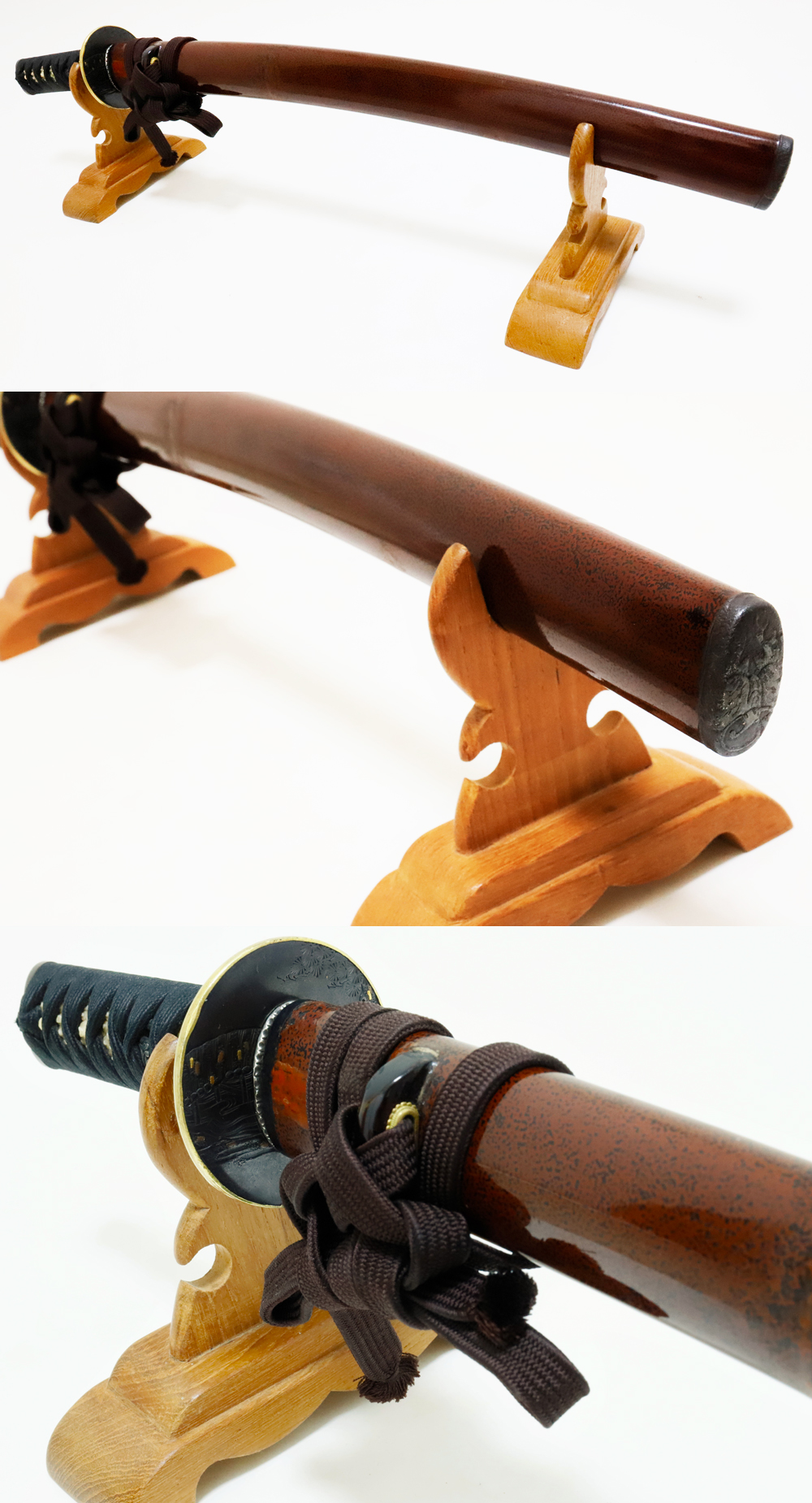
| Koshirae | Wakizashi Koshirae with a Black-speckled Brown Urushi-lacquered Saya |
| Koshirae Length |
62.0 cm 24.4 in |
| Tsuka Length |
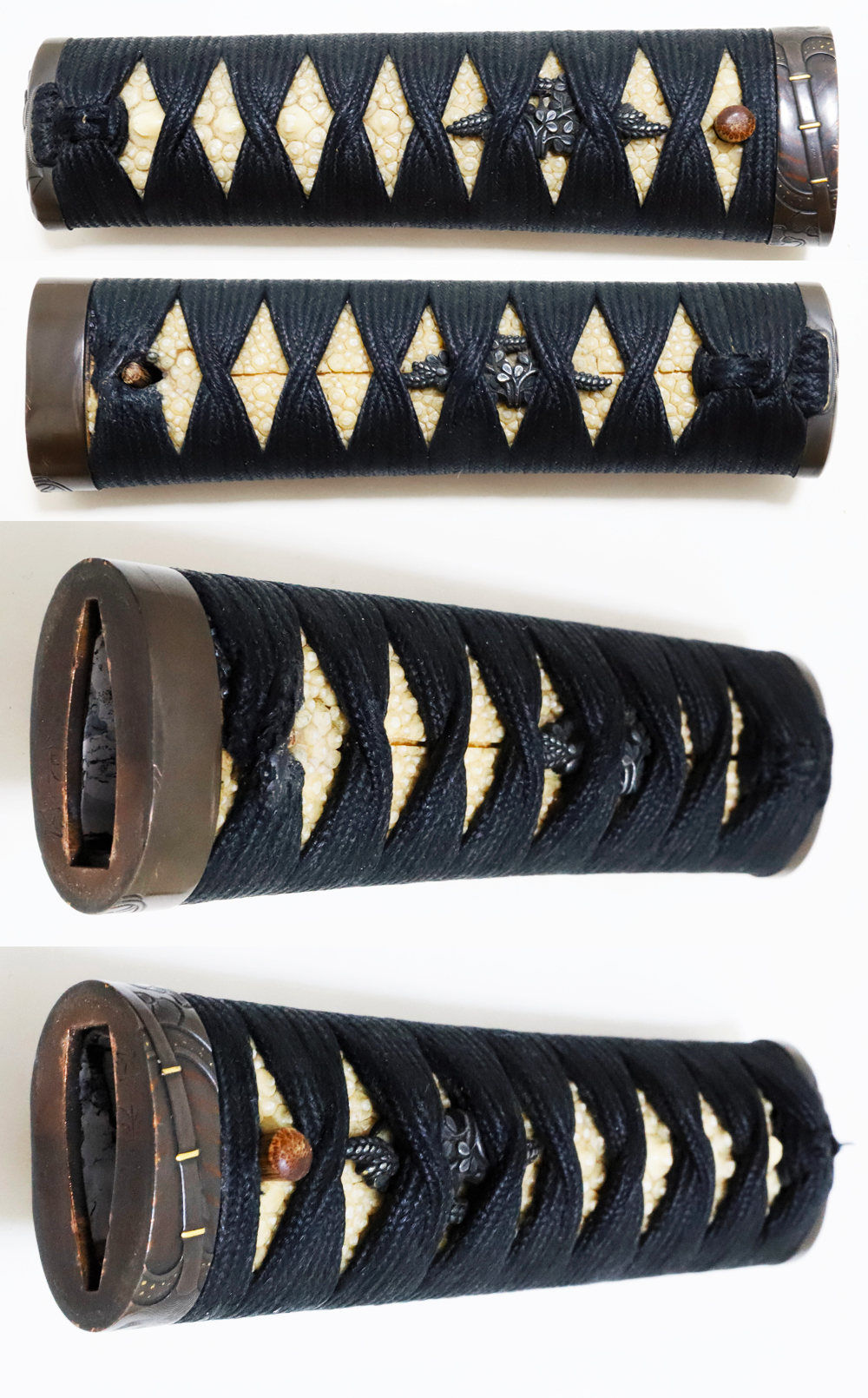
13.6 cm 5.4 in |
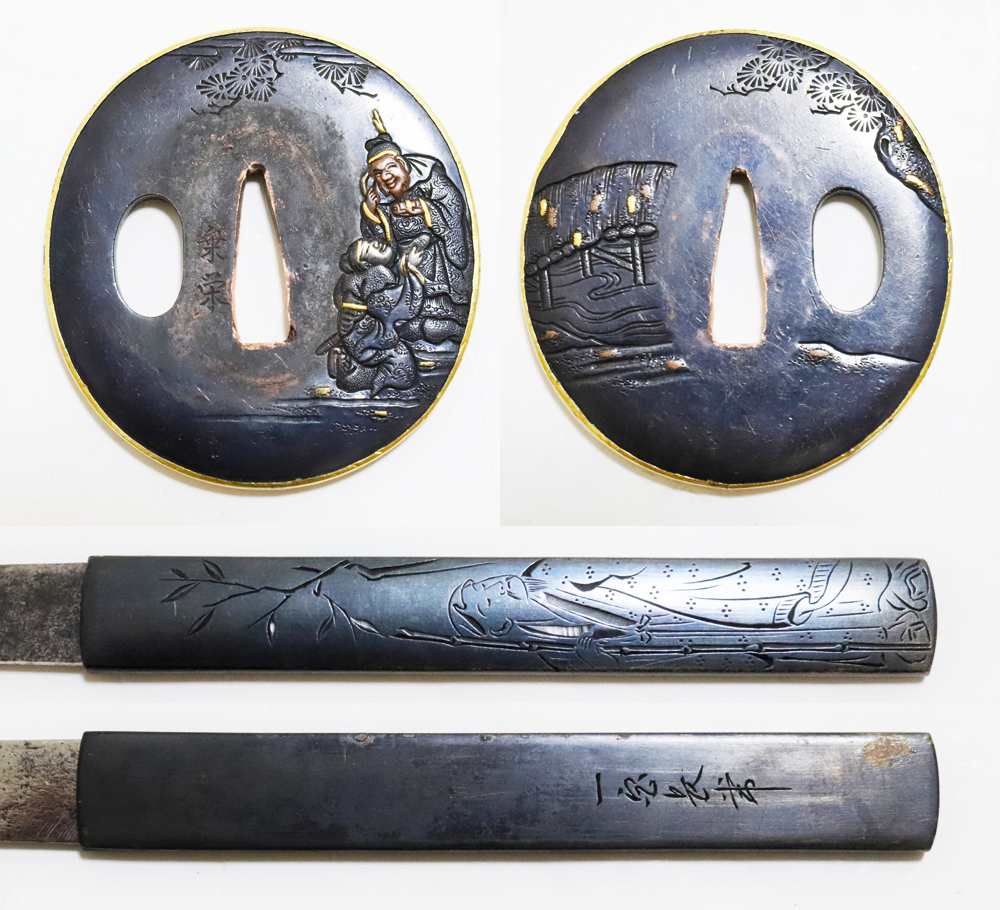
| Tsuba | Kōsekikō (Huang Shigong) and Chōryō (Zhang Liang), signed Jōei; shakudō polished ground, oval shape, high-relief carving, inlay and iroe, gold fukurin. |
| Menuki | Wisteria Blossoms, silver ground, Katachi-bori (modeled relief) |
| Fuchigashira | Hotei, shibuichi polished ground, high-relief carving, kebori, inlay and iroe |
| Kozuka | Chinese Sage, inscribed 'Ichinomiya Nagatsune,' shibuichi polished ground, katakiribori and kebori |
| Other details | Tsuka with White Samegawa, wrapped in Black Tsumami-maki Ito. Iron Kojiri with a Butterfly Design. |
Price |
SOLD |
| The Dōtanuki school is a lineage of swordsmiths believed to have descended from the Enju school. They served the Katō family of Higo during the Momoyama period, and the tradition continued until the end of the Edo period. Dōtanuki Munehiro, the smith of this blade, was born in 1801 and died in 1871. He is regarded as the tenth-generation successor to the first-generation Dōtanuki Masakuni (Kōzuke-no-suke). Accompanying Numata Arimune, a senior retainer of the Hosokawa family of Higo, he went to Edo and studied under Suishinshi Masahide. While influenced by the old Enju tradition, he faithfully carried on the Dōtanuki style and became one of the most renowned swordsmiths of the Dōtanuki school. Forged when Munehiro was forty years old, this powerful wakizashi displays a refined silhouette with an extended kissaki, naginata-hi on both sides, and a beveled mune. It is accompanied by a wakizashi koshirae with a black-speckled brown urushi-lacquered saya. It has passed the NBTHK Tokubetsu Hozon Token shinsa in 2019. |

 Search