| Product No. WA-0923 和泉守藤原国貞(年代慶安頃) | |
|---|---|
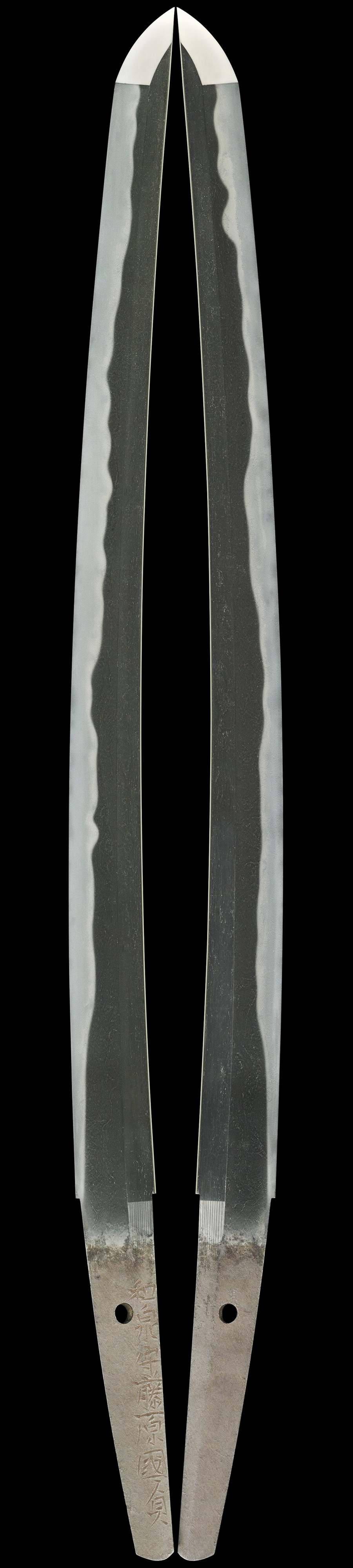
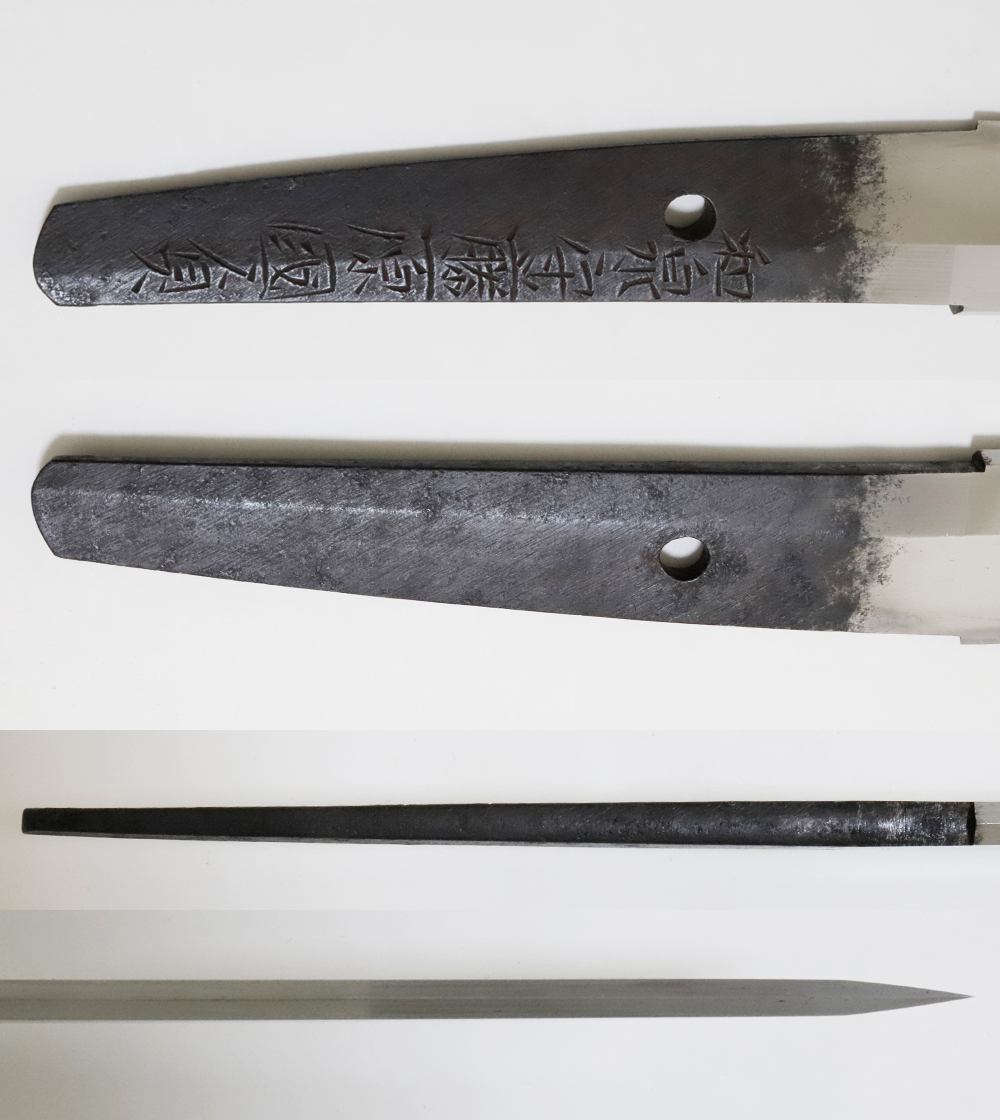
| Mei |
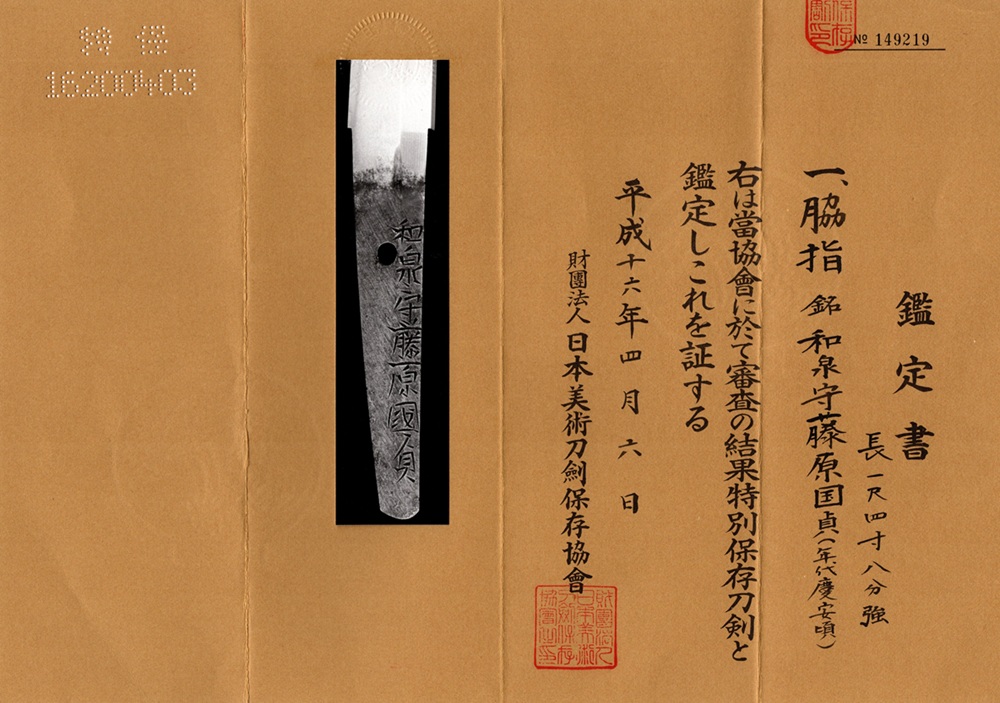
Izumi no Kami Fujiwara Kunisada (circa Keian era) Back: -- |
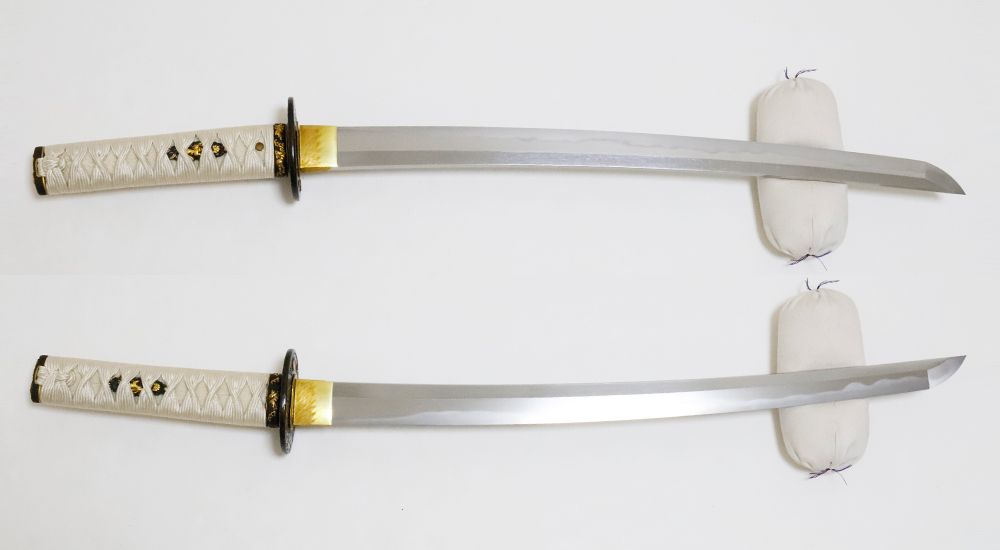
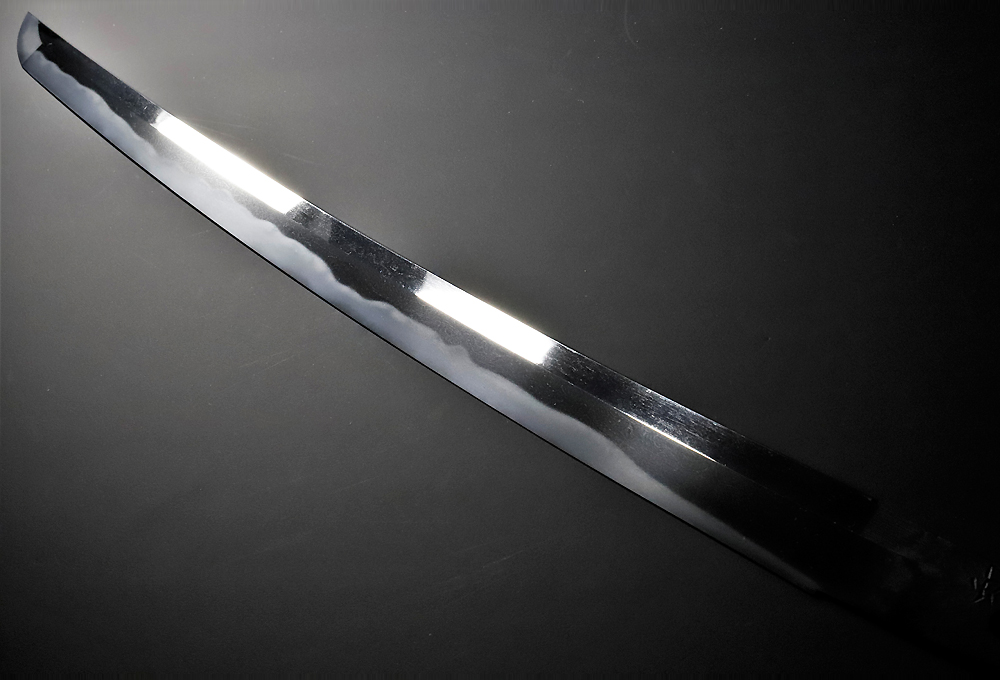
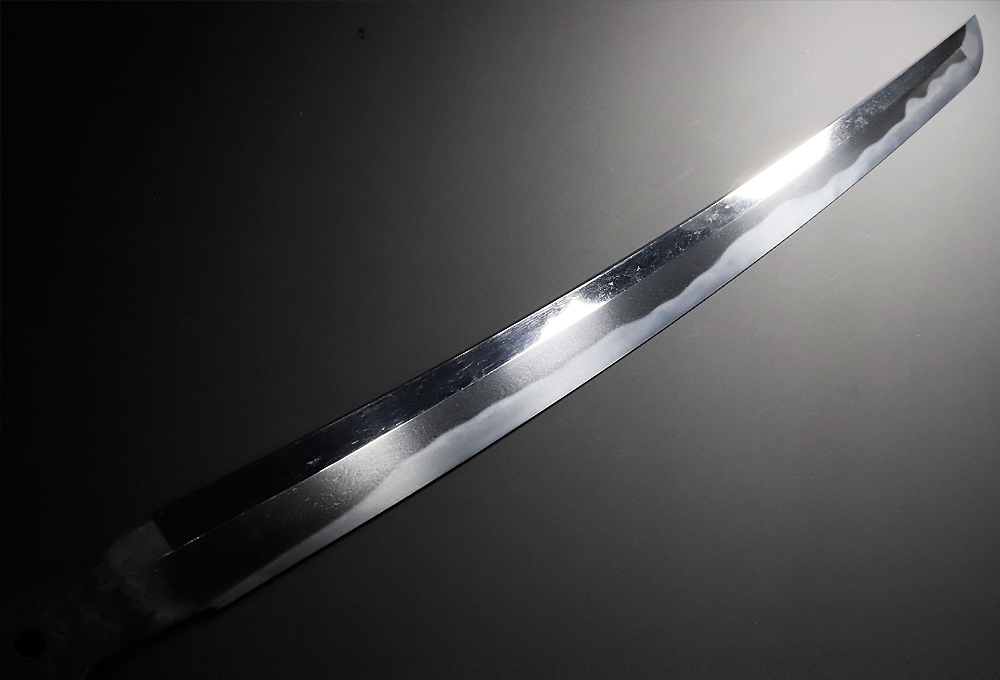
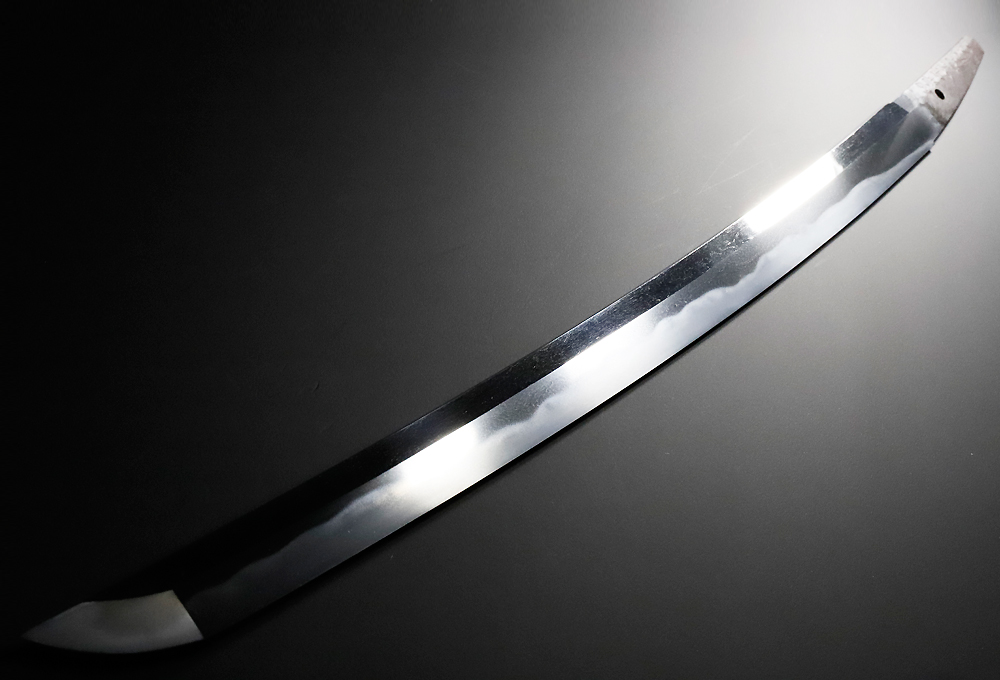
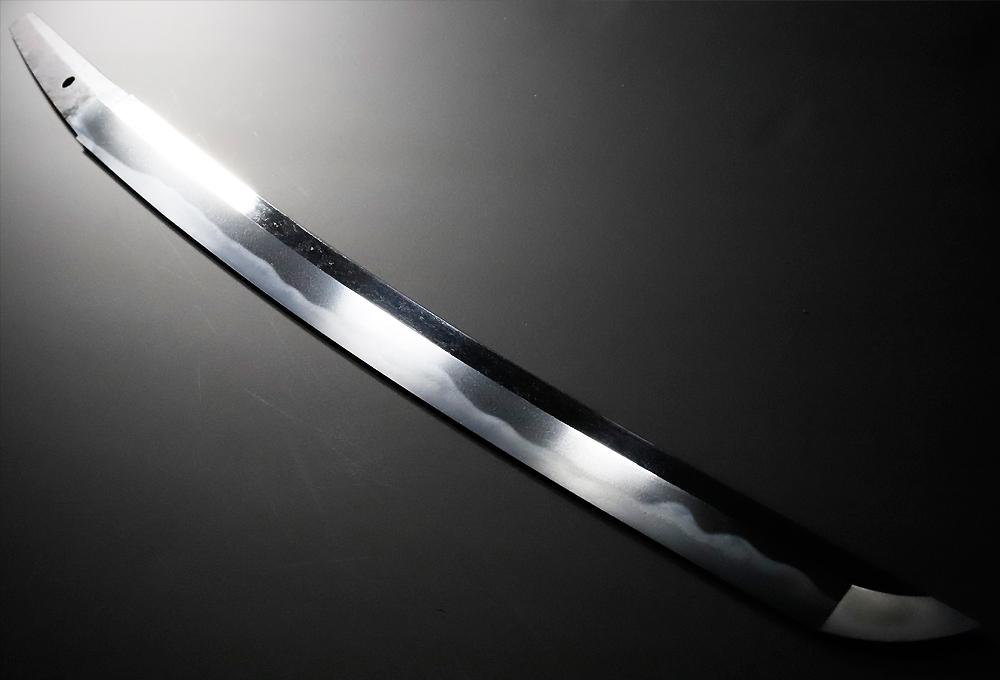
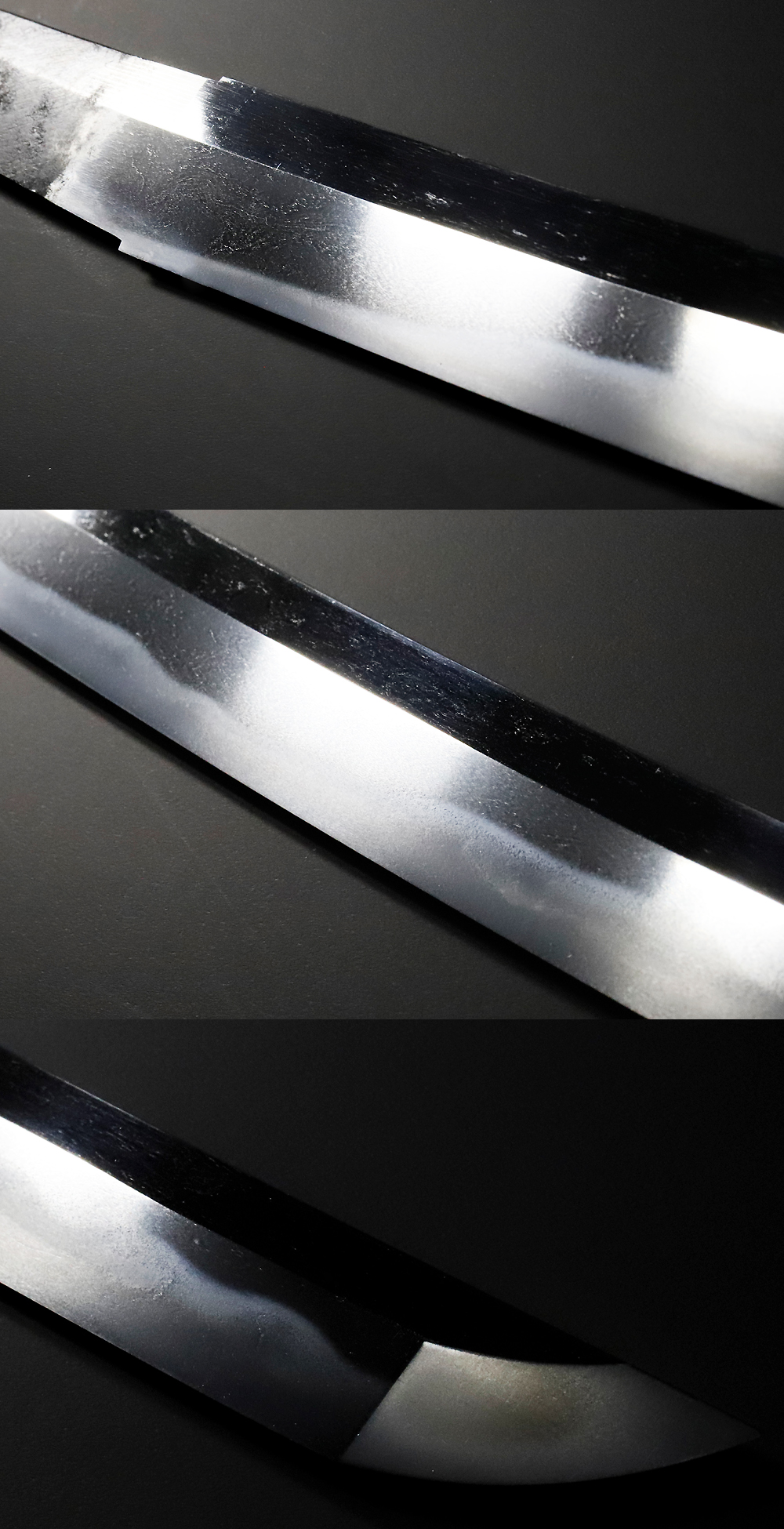
| Shape | Shinogi-zukuri, iori-mune, chu-kissaki. Well-balanced blade width, thickness, and curvature, presenting a robust and sturdy shape. |
| Region | Settsu Province |
| Era | Early Edo period (circa 1648–1652, Keian era) |
| Length |
45 cm 17.7 in |
| Sori (curvature) |
0.8 cm 0.3 in |
| Motohaba |
3.1 cm 1.2 in |
| Sakihaba |
2.2 cm 0.9 in |
| Munekasane |
0.7 cm 0.3 in |
| Status | Tokubetsu Hozon Token |
| Certification Date | April 06, 2004 |
| Registration Authority | Tokyo |
| Registration Date | March 08, 1979 |
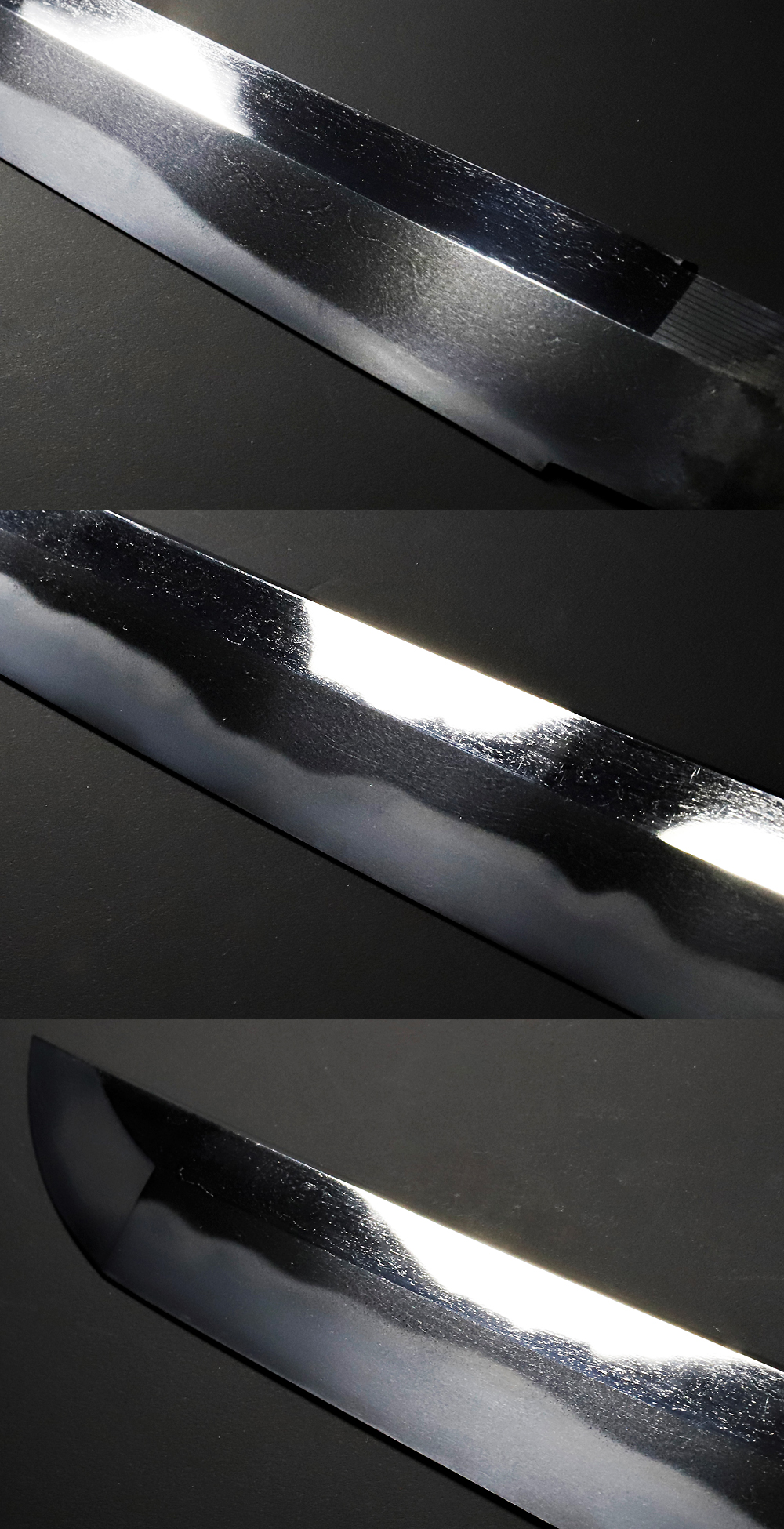
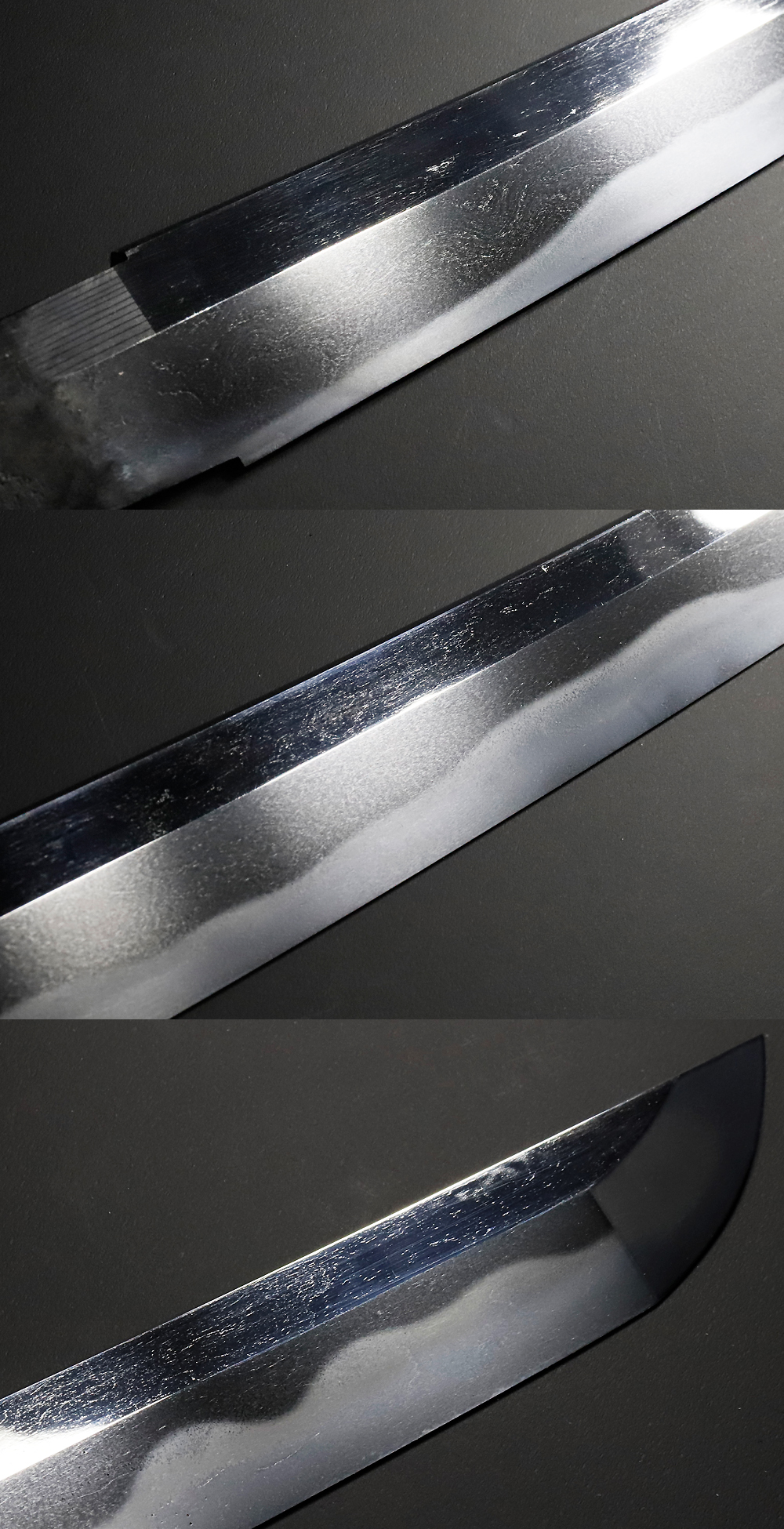
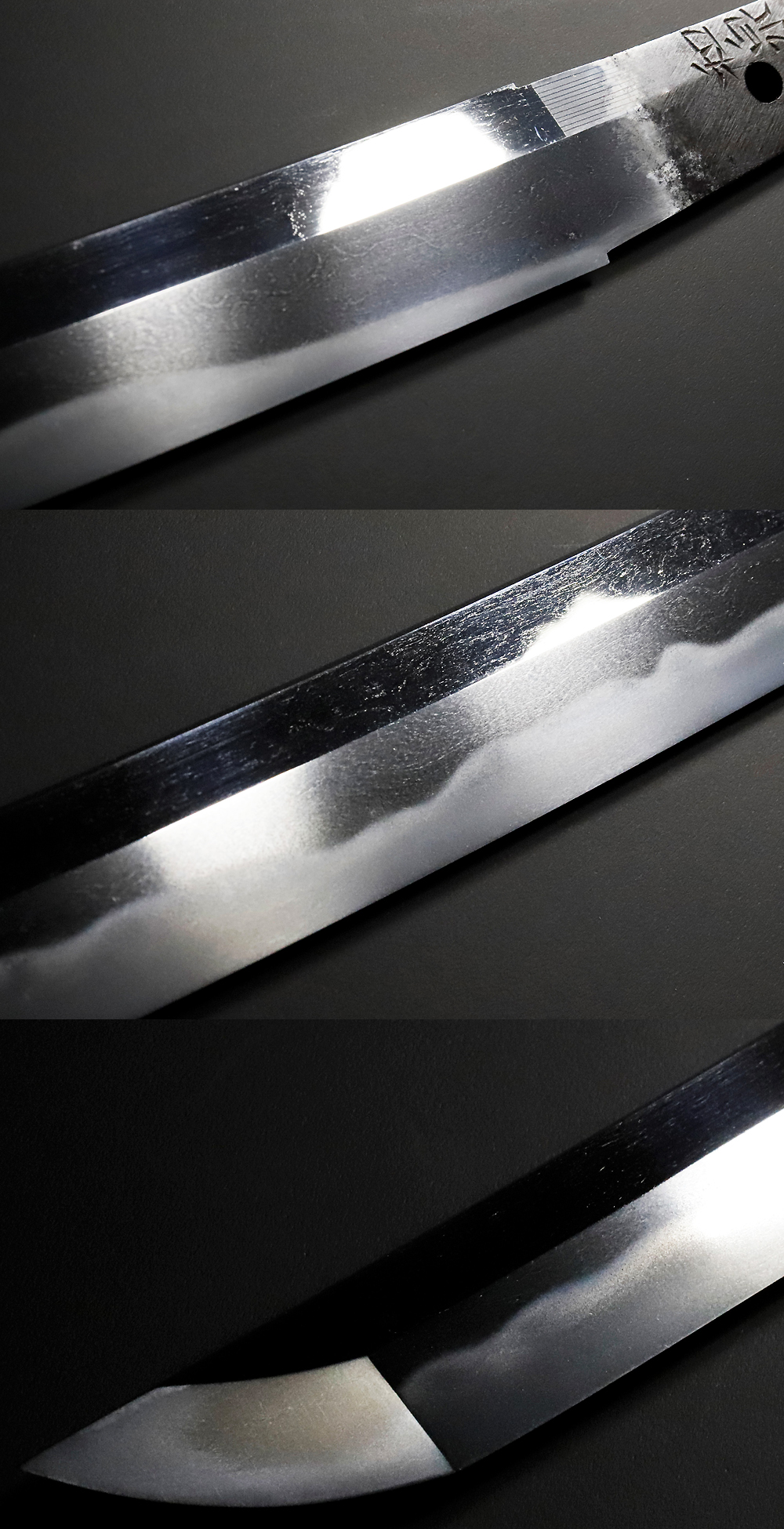
| Jihada (Metal pattern) | Tightly forged itame-hada with a slightly pronounced grain pattern. Abundant ji-nie with chikei. |
| Hamon (Temper line) | Ko-notare mixed with gunome, featuring a deep nioiguchi and abundant nie. |
| Bōshi (Point / Tip) | Ko-maru with slight hakikake, ending in an elegant turn. |
| Nakago (Tang) | Ubu (original, unshortened), o-sujikai file marks, kurijiri tip. |
| Mekugiana (Rivet holes) | 1 |
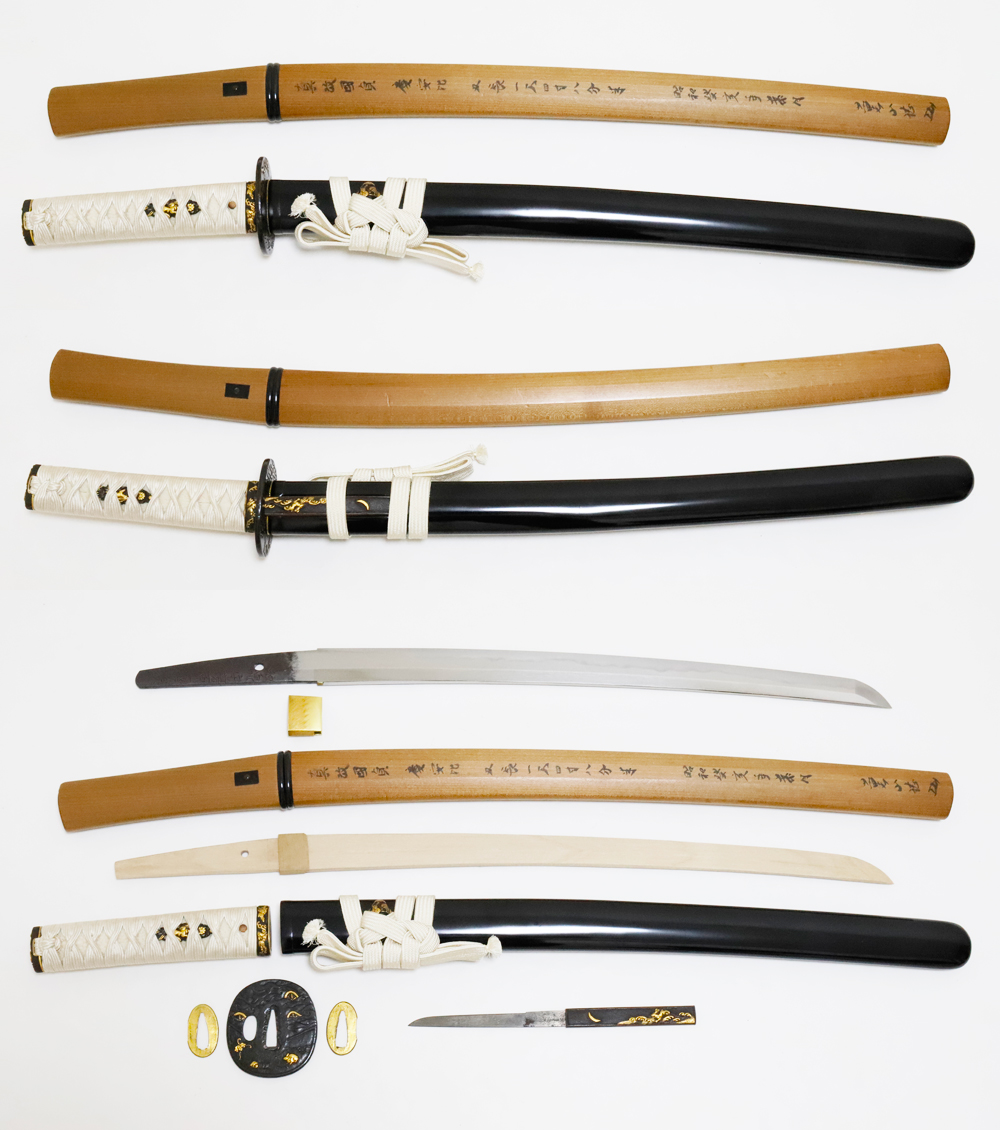
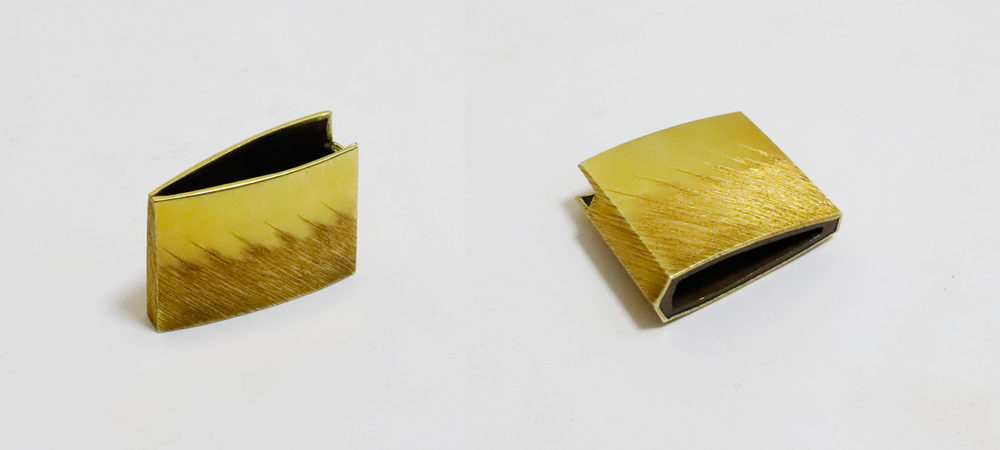
| Habaki | Gold foiled copper habaki with koshi-Yujo file marks. |
| Mountings | Koshirae-tsuki |
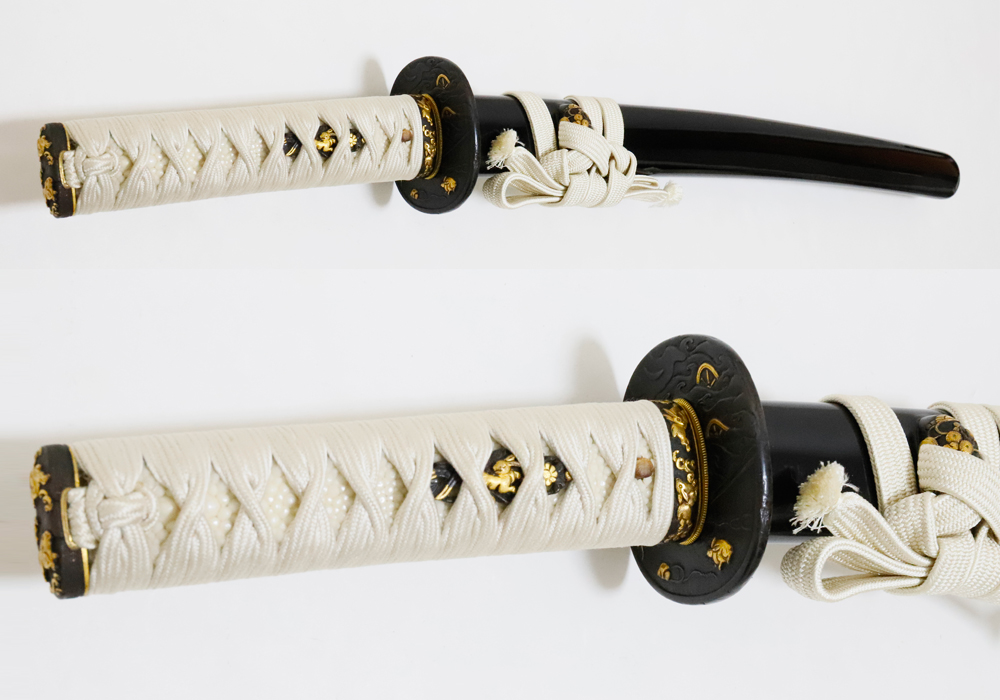
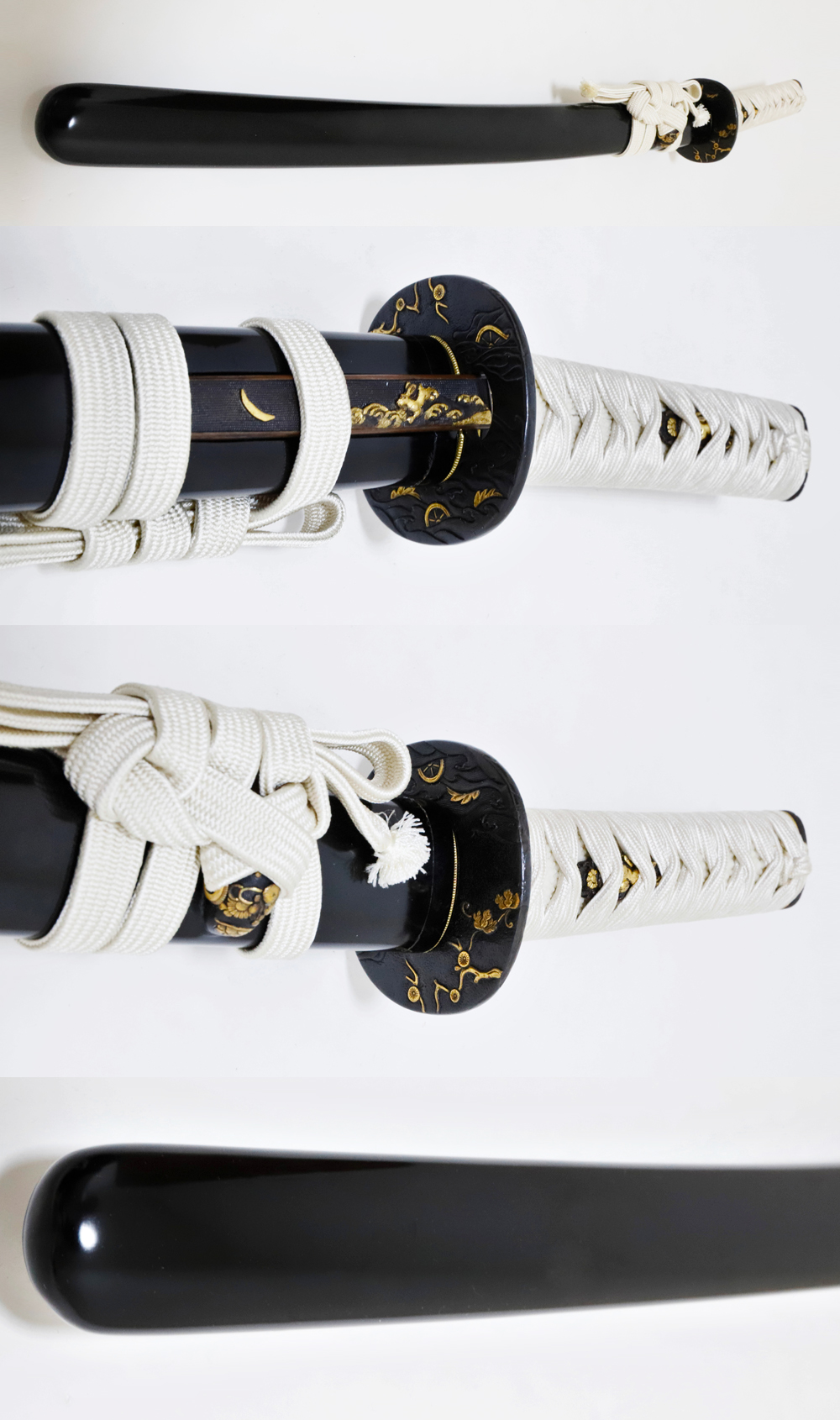
| Koshirae | Wakizashi style koshirae with a black lacquer saya |
| Koshirae Length |
68.5 cm 27.0 in |
| Tsuka Length |
17.0 cm 6.7 in |
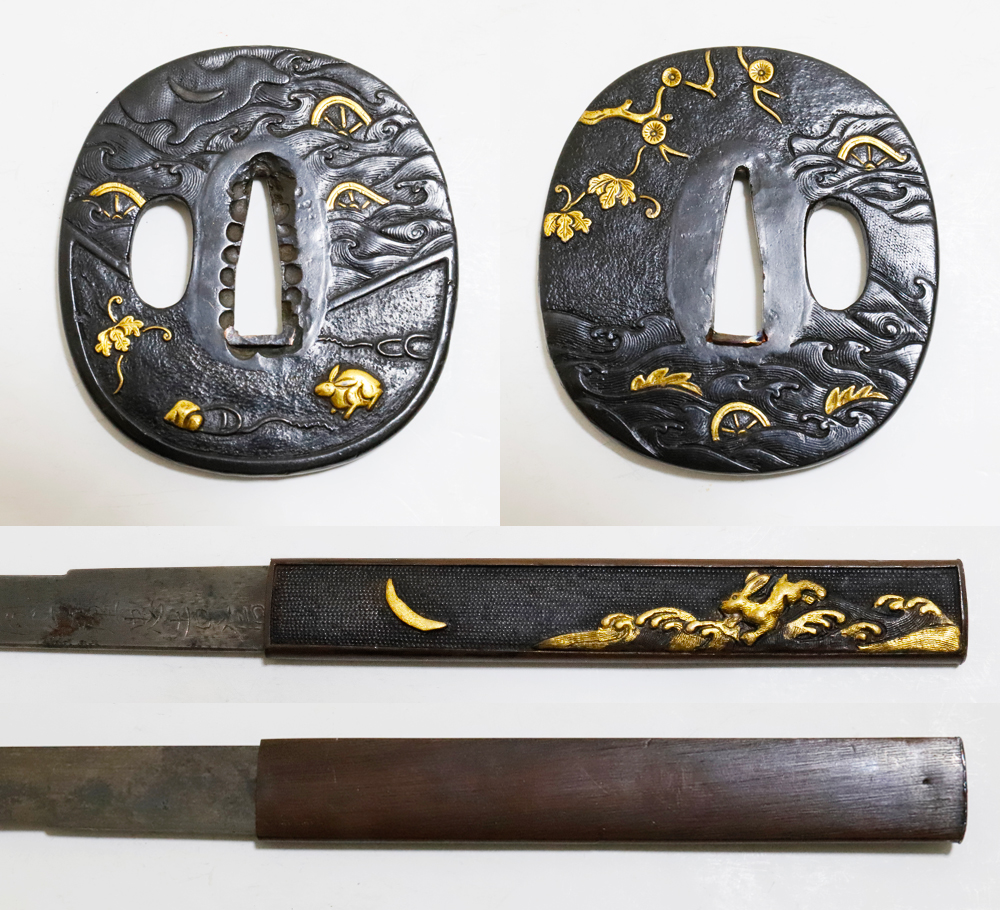
| Tsuba | Half-submerged Wheel, Pine, Ivy, and Rabbit Design. Shakudo with ishime texture, tatemaru (vertically elongated oval) shape, sukidashi takabori (carved relief), inlay and gold iroe decoration. |
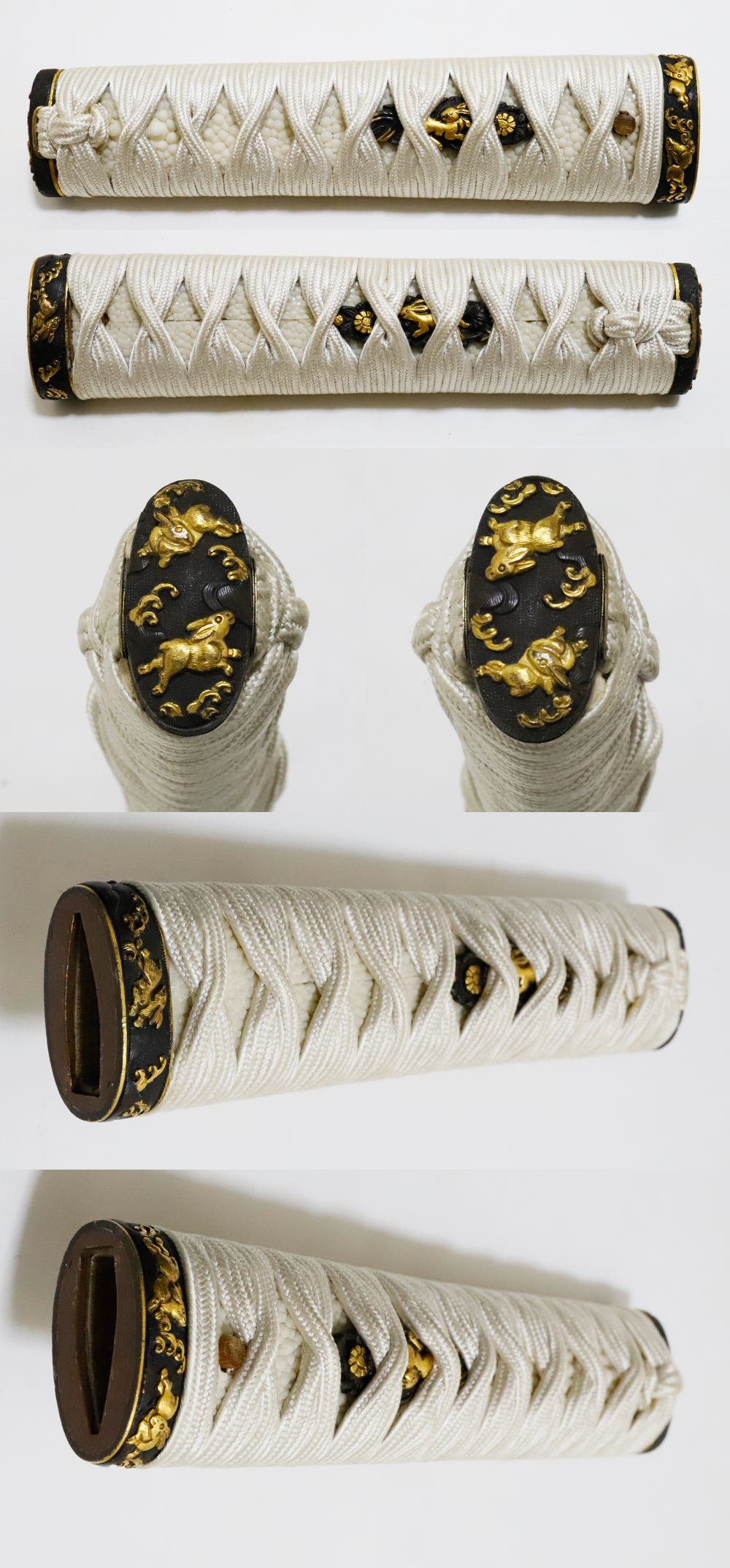
| Menuki | Rabbit among Autumn Grasses Design. Shakudo, katachibori (three-dimensional carving), gold iroe decoration. |
| Fuchigashira | Rabbit and Waves (Chikubushima) Design. Shakudo with nanako texture, inlay and gold iroe decoration. |
| Kozuka | Rabbit Riding the Waves (Chikubushima) Design. Shakudo with nanako texture, inlay and gold iroe decoration. |
| Other details | Tsuka: White samegawa (ray skin), wrapped with unohana-colored (pale ivory) silk cord in tsumamimaki style. Kurikata: Chrysanthemum Design. Shakudo with nanako texture, inlay and gold iroe decoration. |
Price |
1,650,000 JPY |
| This wakizashi, signed Izumi no Kami Fujiwara Kunisada, has been attributed by its appraisal certificate to circa the Keian era (1648–1652), corresponding to the final years of the first-generation Kunisada (Oya-Kunisada) and the early career of the second-generation Kunisada (Shinkai). Inoue Shinkai was born in 1630 as the second son of the first-generation Izumi no Kami Kunisada (Oya-Kunisada). He initially signed his swords Kunisada, using the same name as his father. By around 1650, at the age of 21, he was actively producing swords and signing them on behalf of his father (daisaku and daimei). Following his father's death in 1652, he received the honorary title Izumi no Kami. From around 1661, he began signing "Inoue Izumi no Kami Kunisada," and in August 1672, he changed his signature to "Inoue Shinkai." He passed away suddenly in 1682 at the age of 53. Praised as the "Osaka Masamune," Shinkai is regarded as one of the two greatest swordsmiths of the Osaka Shinto tradition, alongside Sukehiro, and is ranked among the Saijo-saku (highest-ranked) swordsmiths. The signature on this wakizashi does not display the thin, weakened chisel strokes associated with Oya-Kunisada's declining physical strength in his later years. Instead, the characters are somewhat large, boldly cut with strong, vigorous chisel strokes. The workmanship of the blade itself is reminiscent of Oya-Kunisada. The saya bears a sayagaki written by Dr. Honma Kunzan, which reads: "Shinkai Kunisada, circa Keian era. Blade length: 1 shaku, 4 sun, 8 bu, 5 rin. August 1983. Written by Kunzan (kao). This wakizashi passed the NBTHK Tokubetsu Hozon Token shinsa in 2004. It is accompanied by a fine-quality wakizashi koshirae with a black lacquer saya, featuring fittings decorated with rabbit motifs. |

 Search