| Product No. WA-0927 会津住道辰 | |
|---|---|
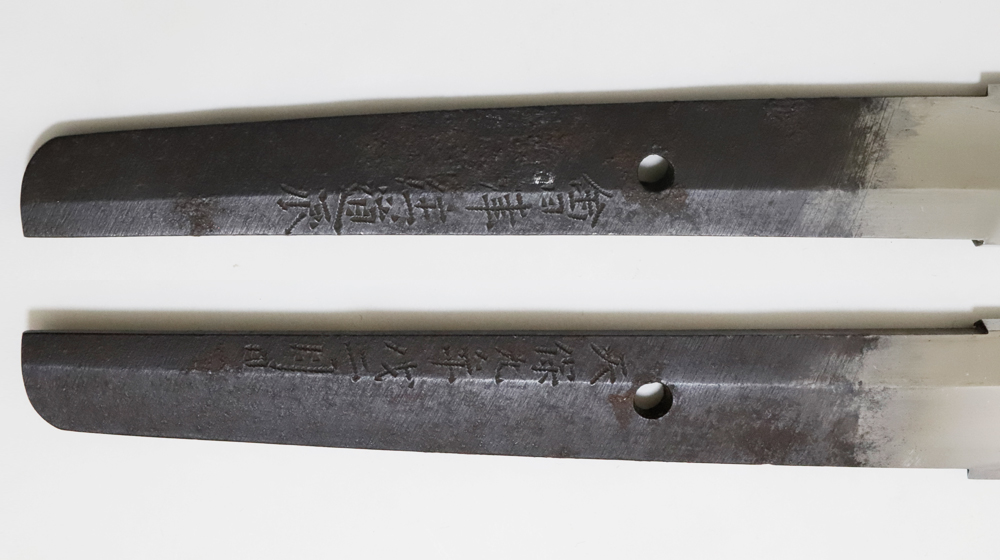
| Mei |
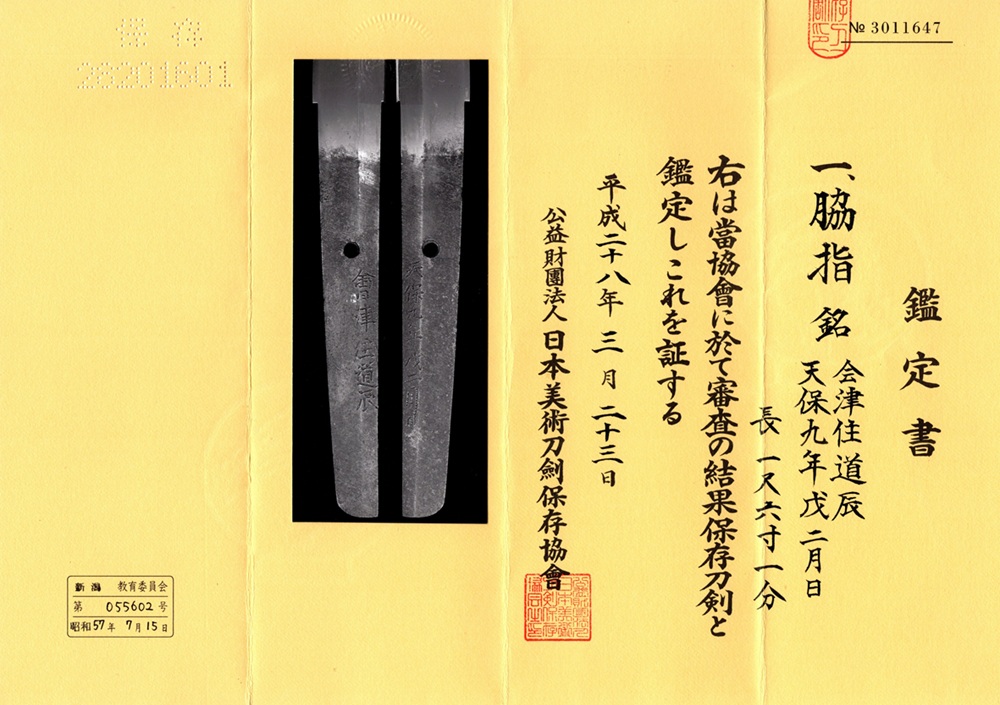
Michitoki, resident of Aizu (Aizu ju Michitoki) Back: A day in the second month of Tenpo 9 (1838) |
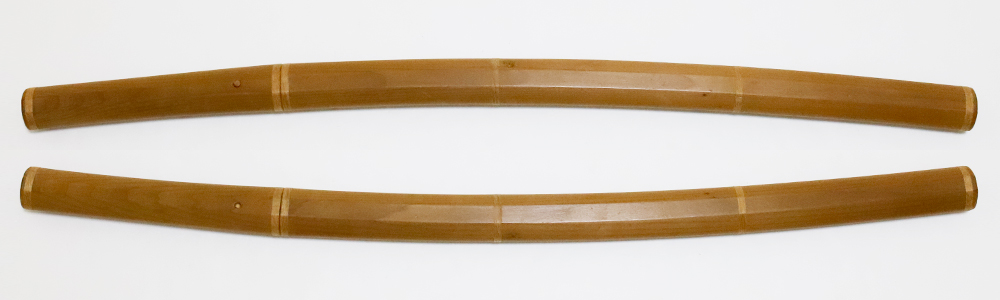
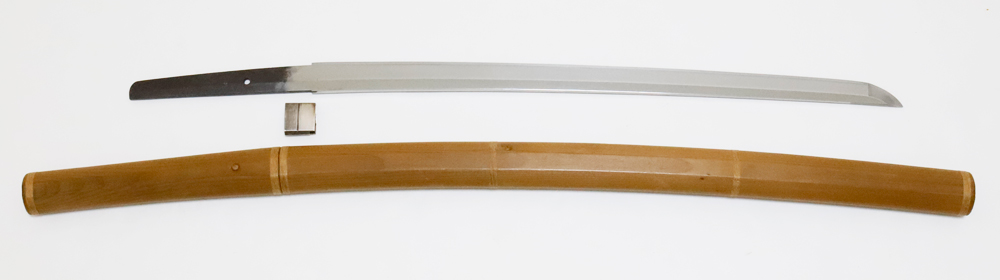
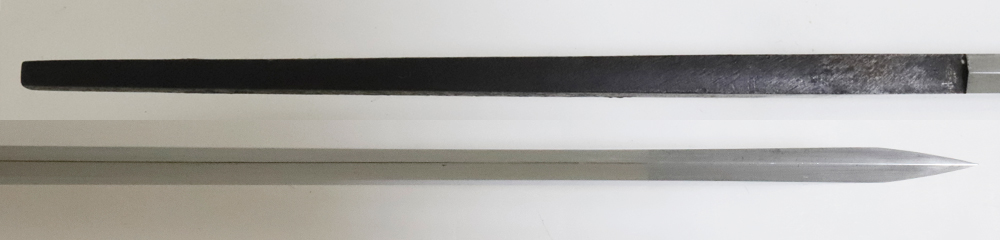
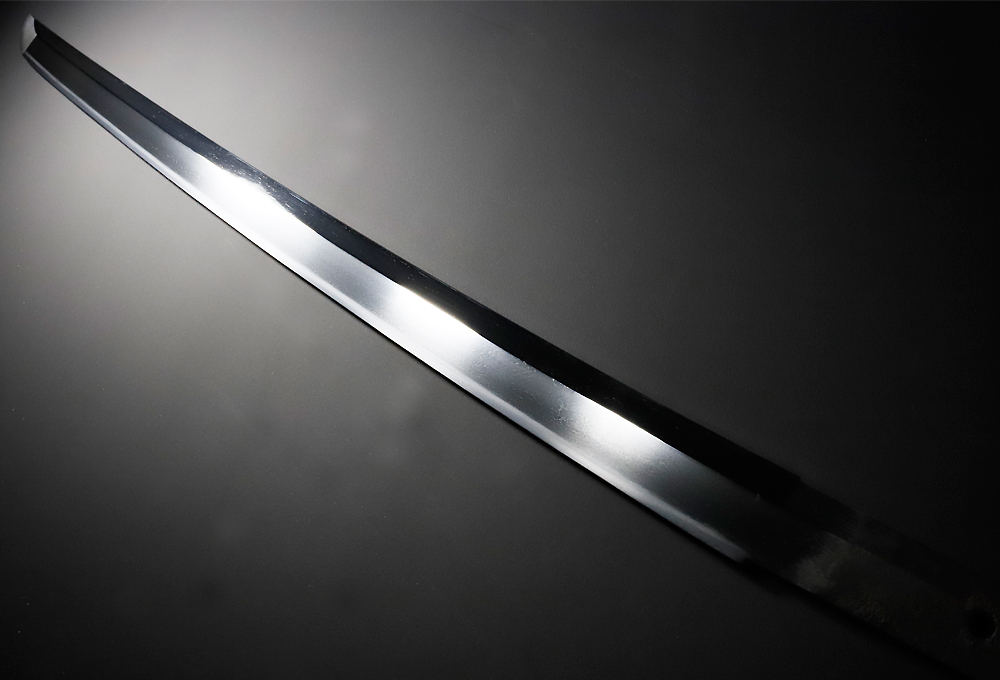
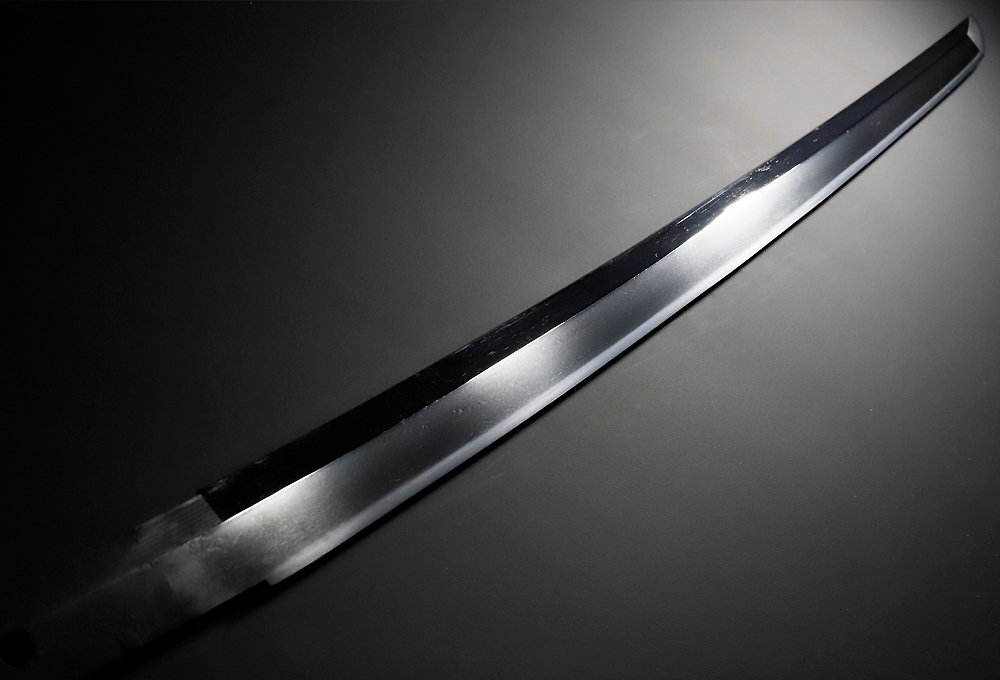
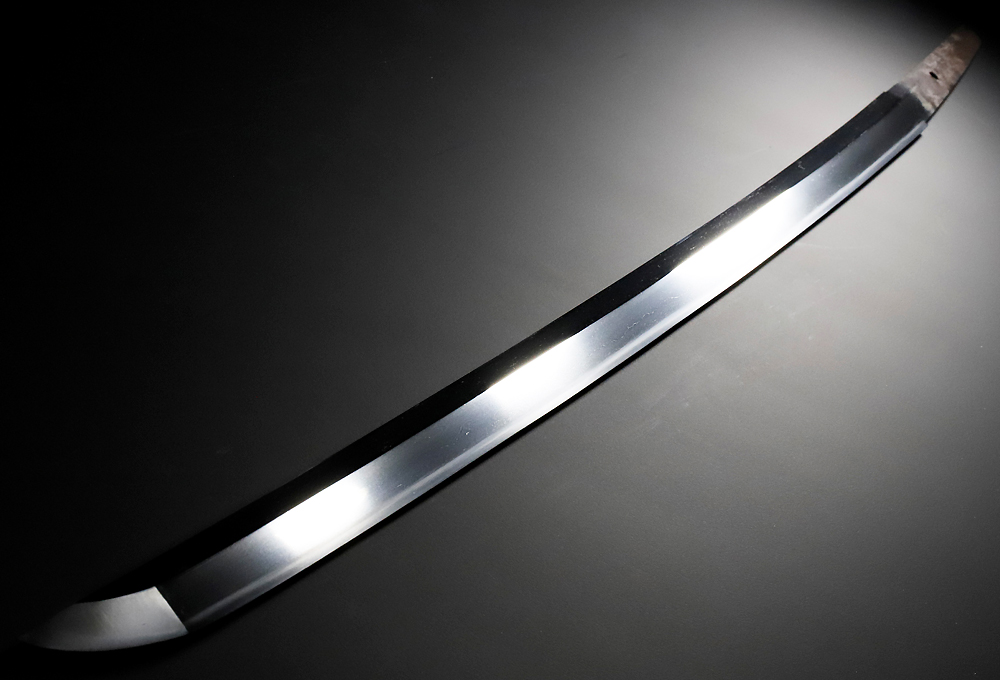
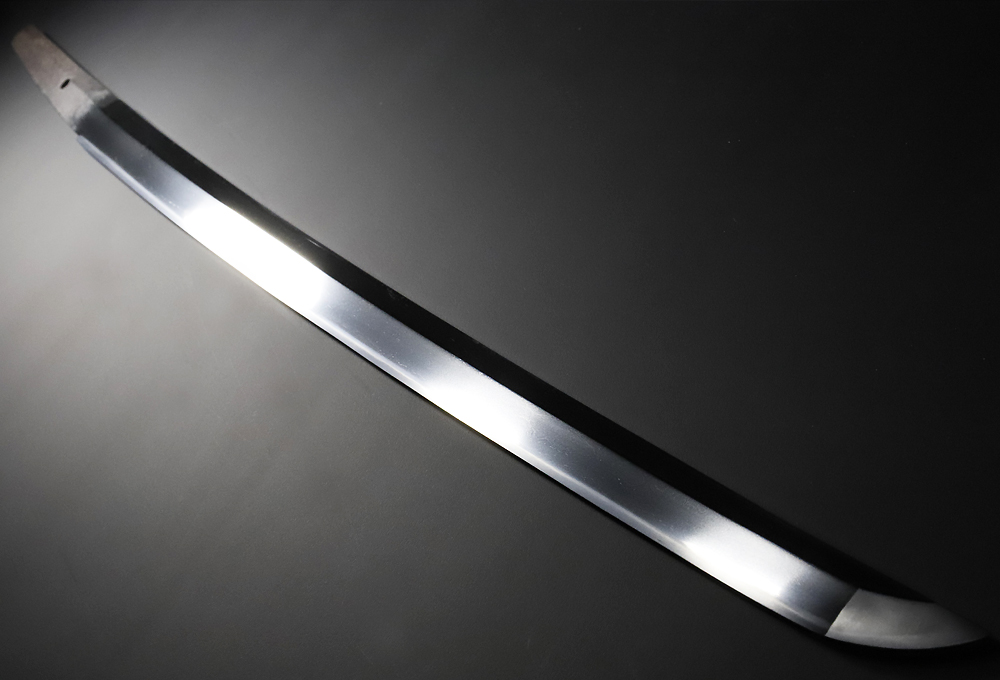
| Shape | Shinogi-zukuri with iori-mune and chu-kissaki, moderate blade width and thickness, and shallow curvature, presenting a refined and elegant shape. |
| Era | Late Edo Period |
| Length |
48.8 cm 19.2 in |
| Sori (curvature) |
0.7 cm 0.3 in |
| Motohaba |
2.7 cm 1.1 in |
| Sakihaba |
2 cm 0.8 in |
| Munekasane |
0.7 cm 0.3 in |
| Status | Hozon Token |
| Certification Date | March 23, 2016 |
| Registration Authority | Niigata Prefecture |
| Registration Date | July 15, 1982 |
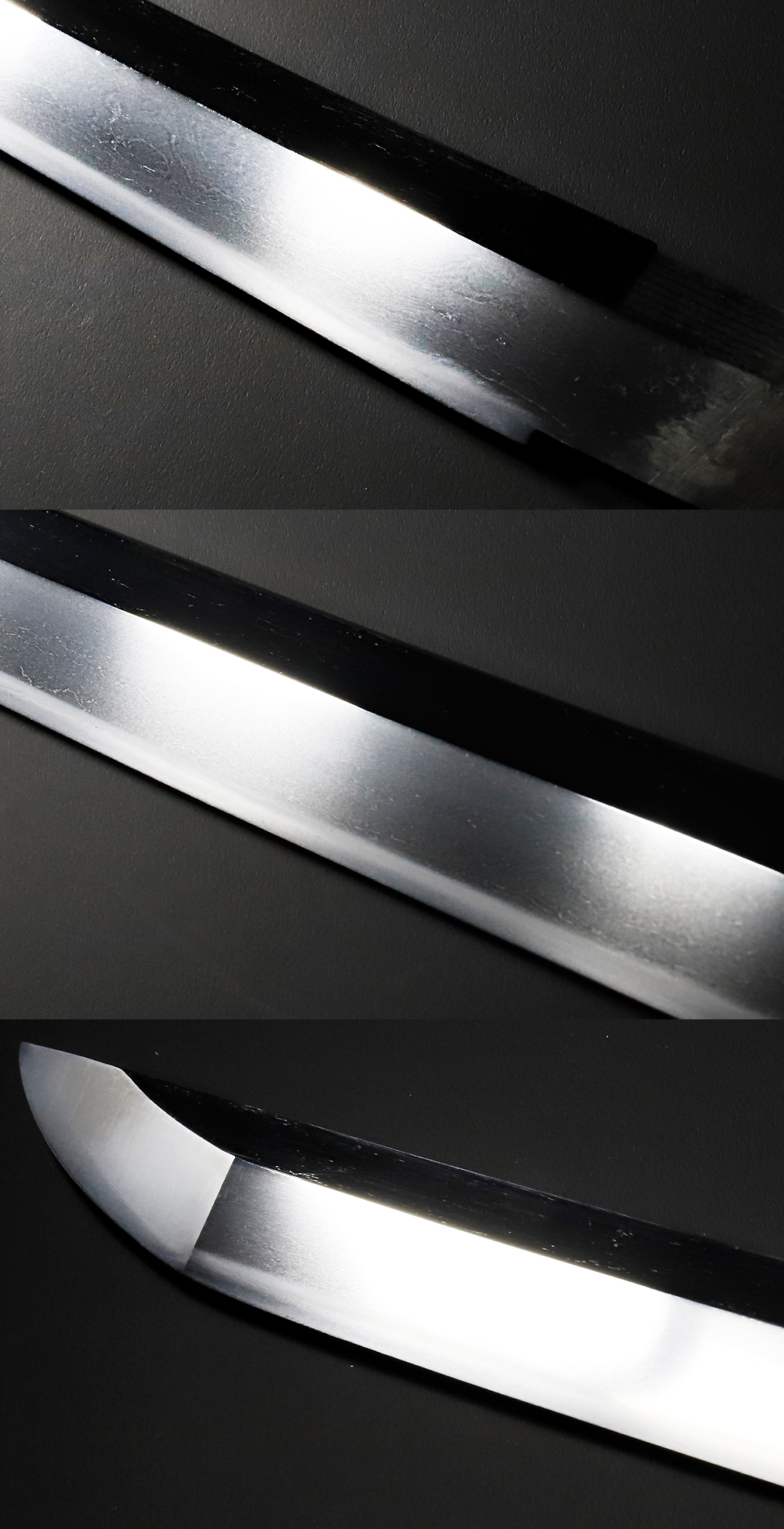
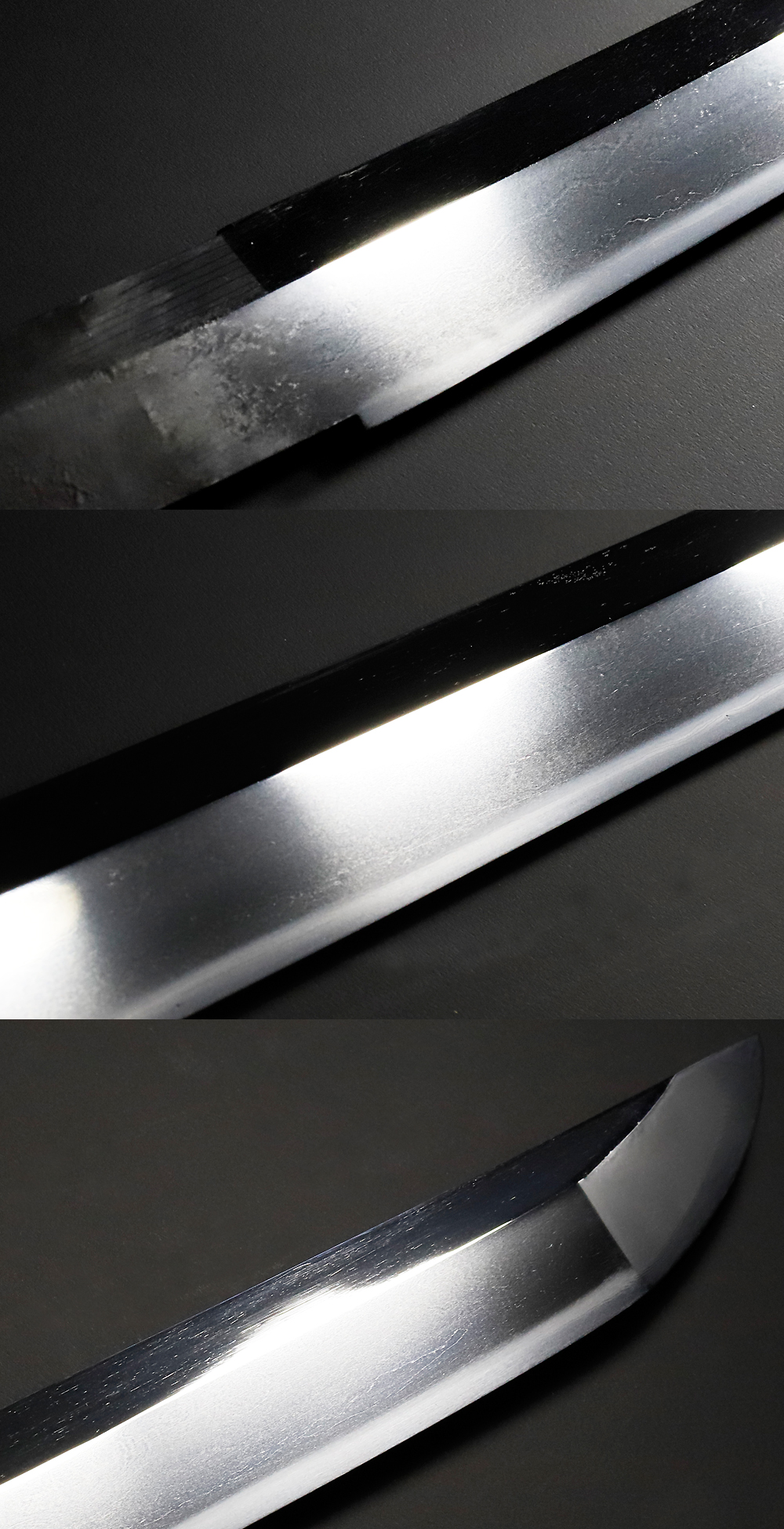
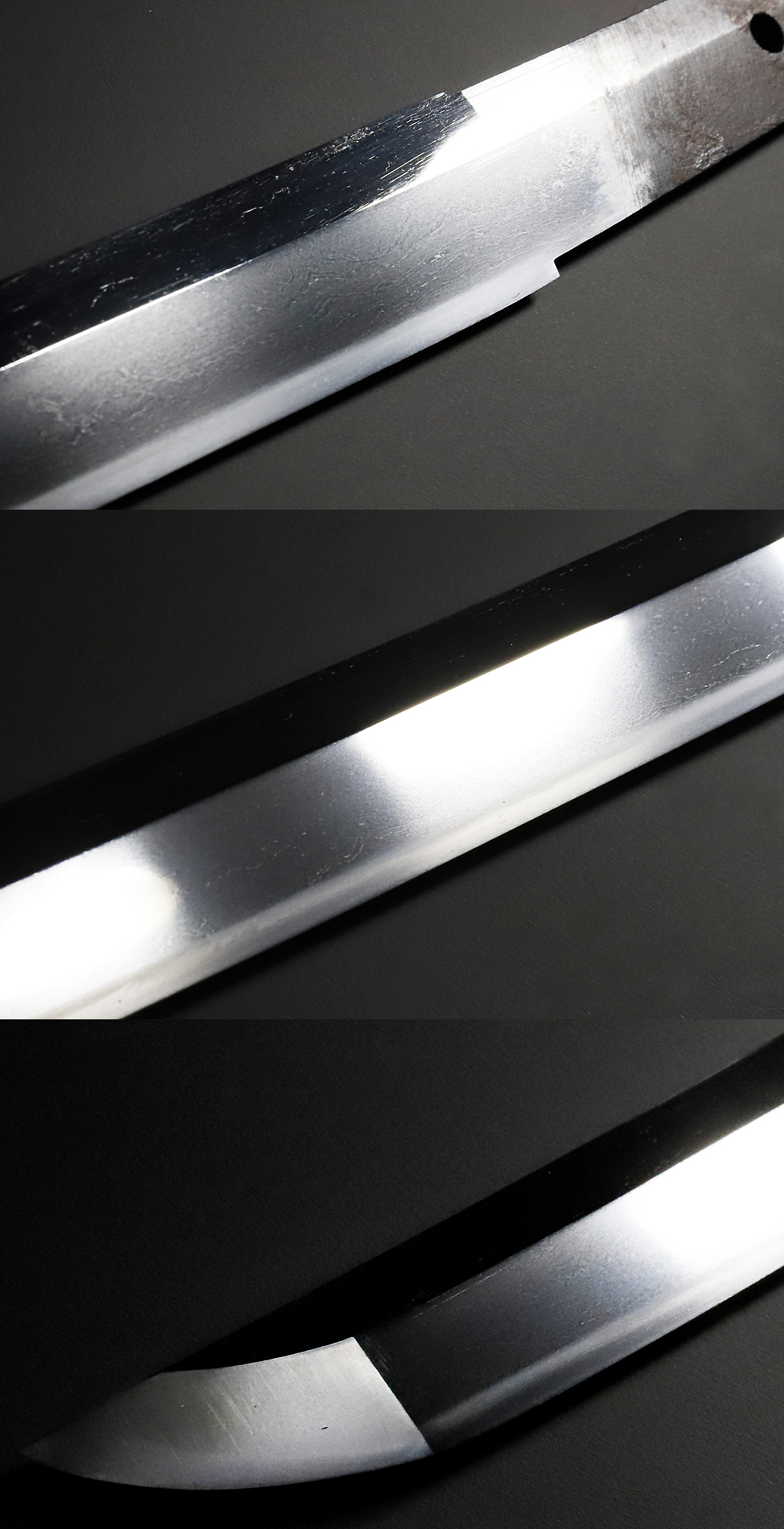
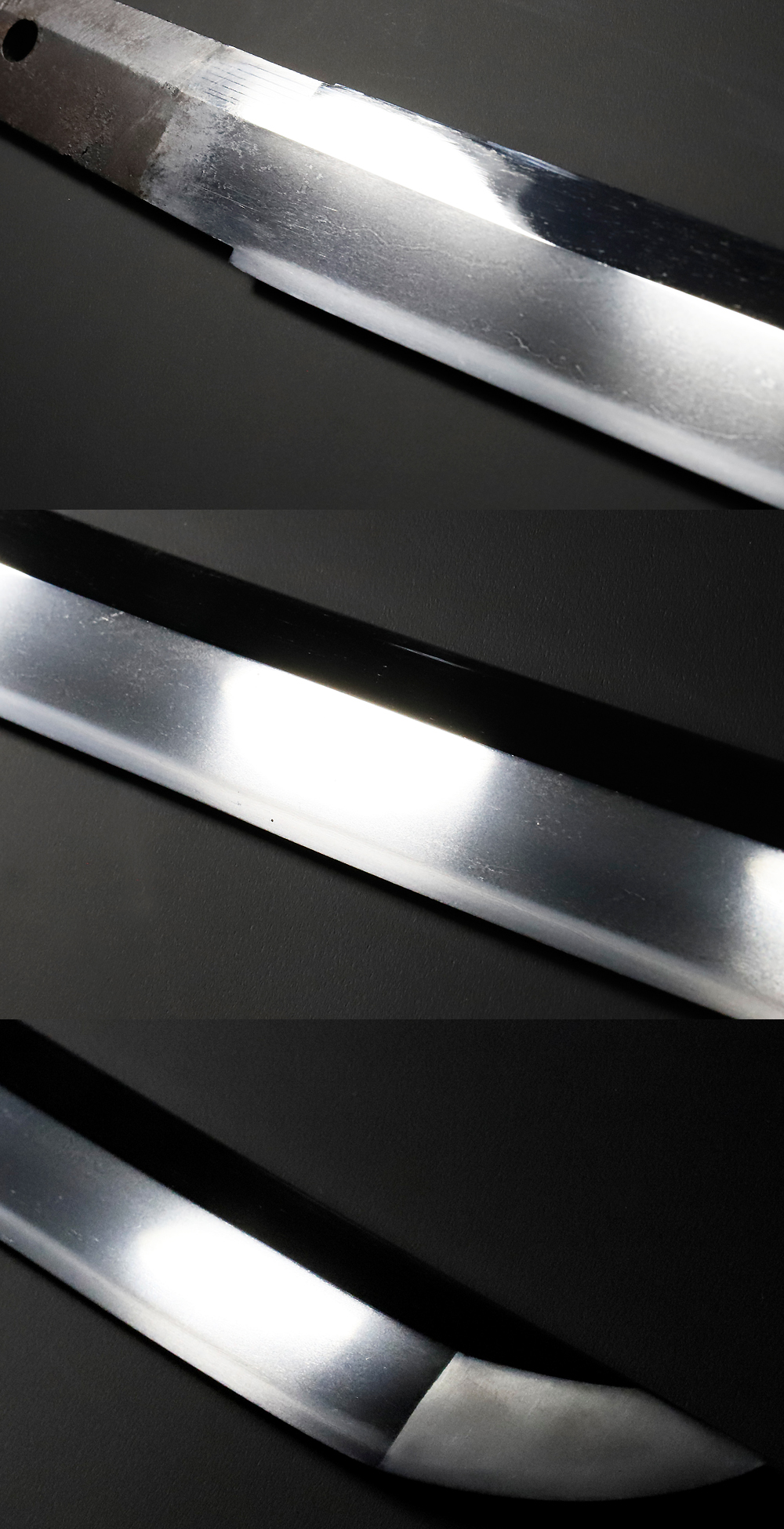
| Jihada (Metal pattern) | Ko-itame-hada with slightly flowing grain mixed with mokume-hada, accompanied by ji-nie. |
| Hamon (Temper line) | A well-controlled, straight suguha. |
| Bōshi (Point / Tip) | Straight with a small rounded tip and a short turn. |
| Nakago (Tang) | Ubu (unaltered), with sujikai yasurime and a kata-ha-agari kurijiri end. |
| Mekugiana (Rivet holes) | 1 |
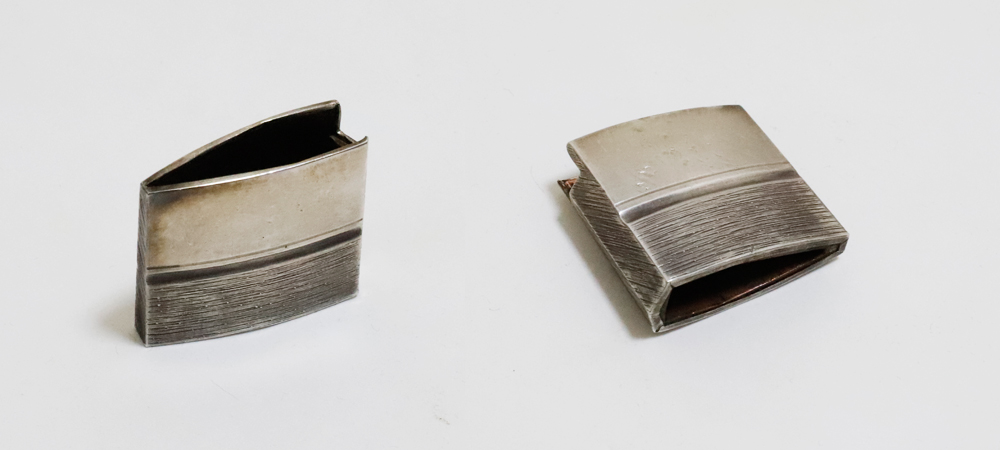
| Habaki | Silver-foiled copper habaki in the Shonai style. |
Price |
Reserved |
| The first-generation Michitoki was the son of Nagashige, a disciple of the first-generation Miyoshi Nagamichi, and was highly regarded as a master swordsmith. His swordmaking tradition was passed down through his descendants for six generations, continuing into the Meiji period. Judging from the inscription dated Tenpo 9 (1838), this wakizashi is a work of the fourth-generation Michitoki. He initially signed his works Michiyasu and changed his name to Michitoki from Bunka 3 (1806) onward. This is an elegant shinogi-zukuri wakizashi with iori-mune, moderate blade width and thickness, and shallow curvature. Subtle mokume patterns can be discerned within the tightly forged jigane, while the hamon is a neat and well-controlled suguha. Both the jigane and hamon are in sound condition. This wakizashi passed the NBTHK Hozon Token shinsa in 2016. |


 Search