| Product No. WA-0931 豊前守清人 | |
|---|---|
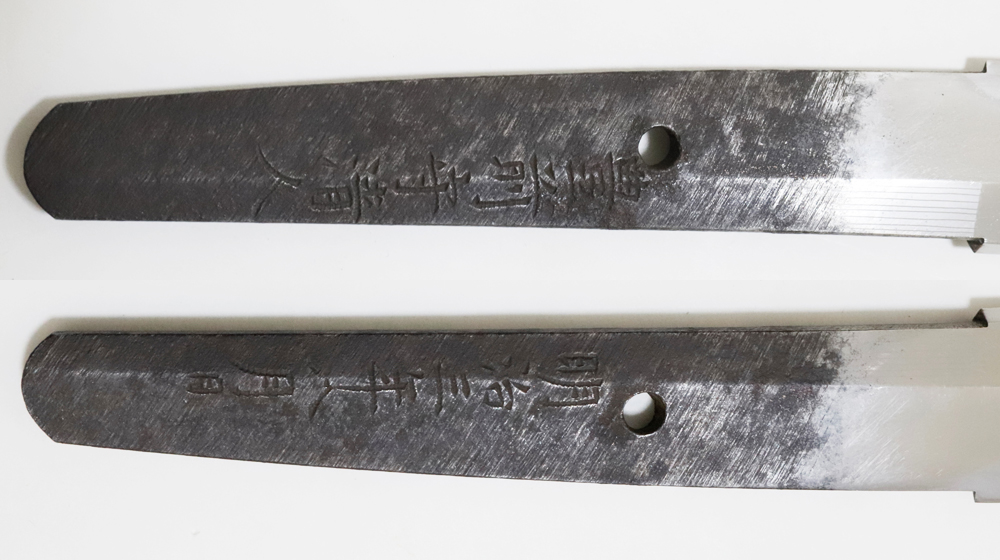
| Mei |
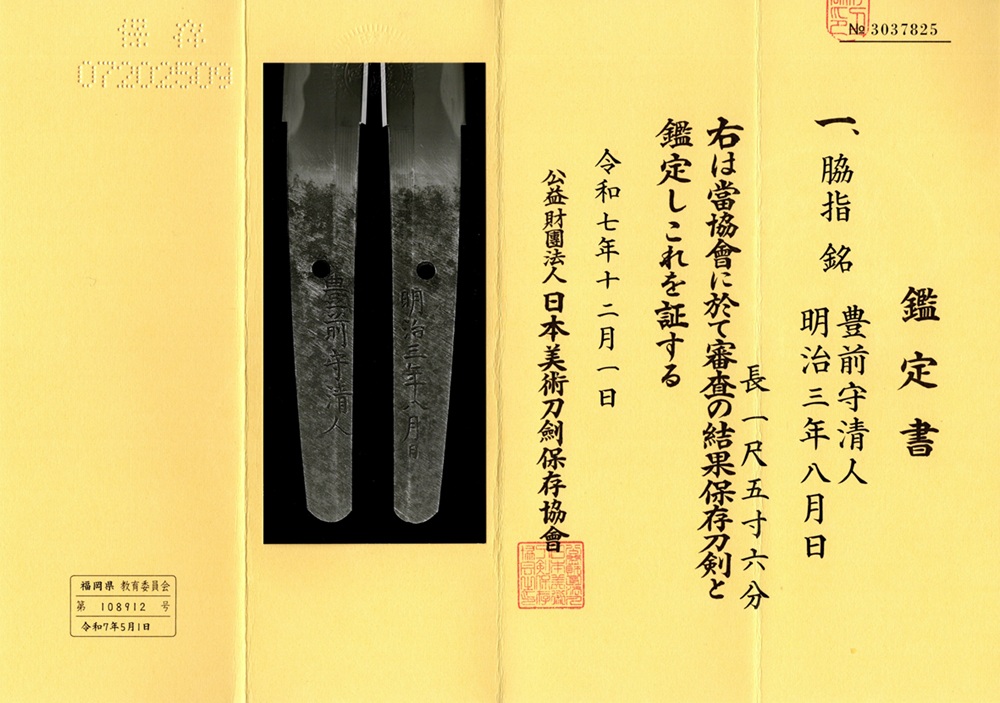
Buzen no Kami Kiyondo Back: August, Meiji 3 (1870) |
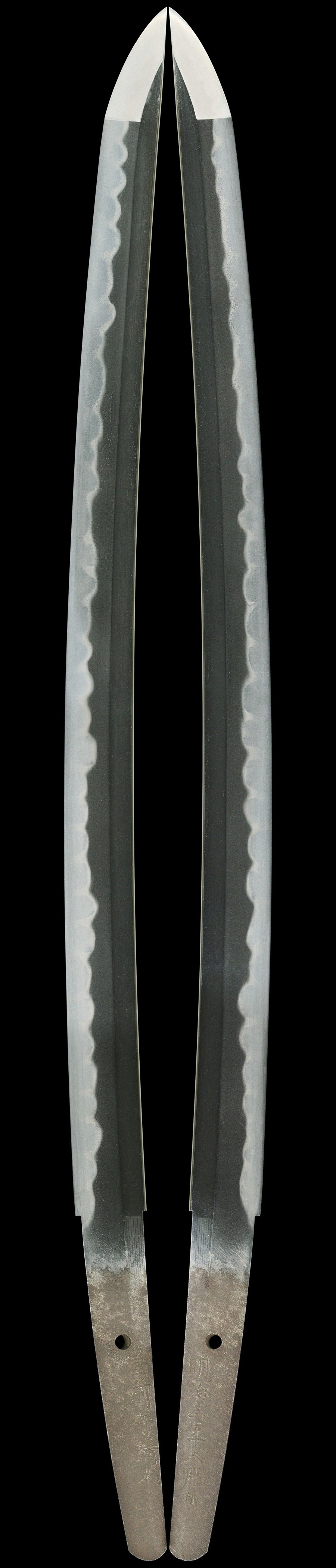
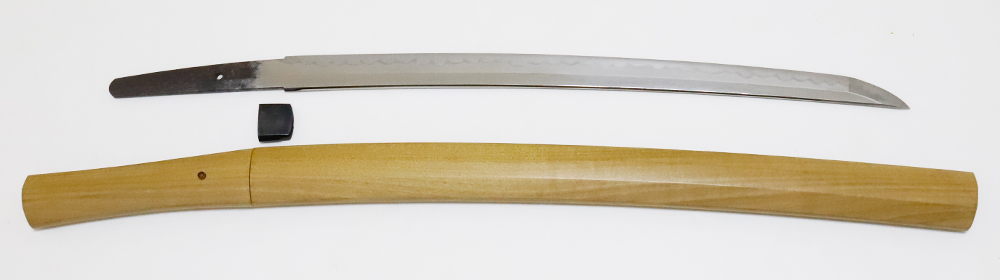
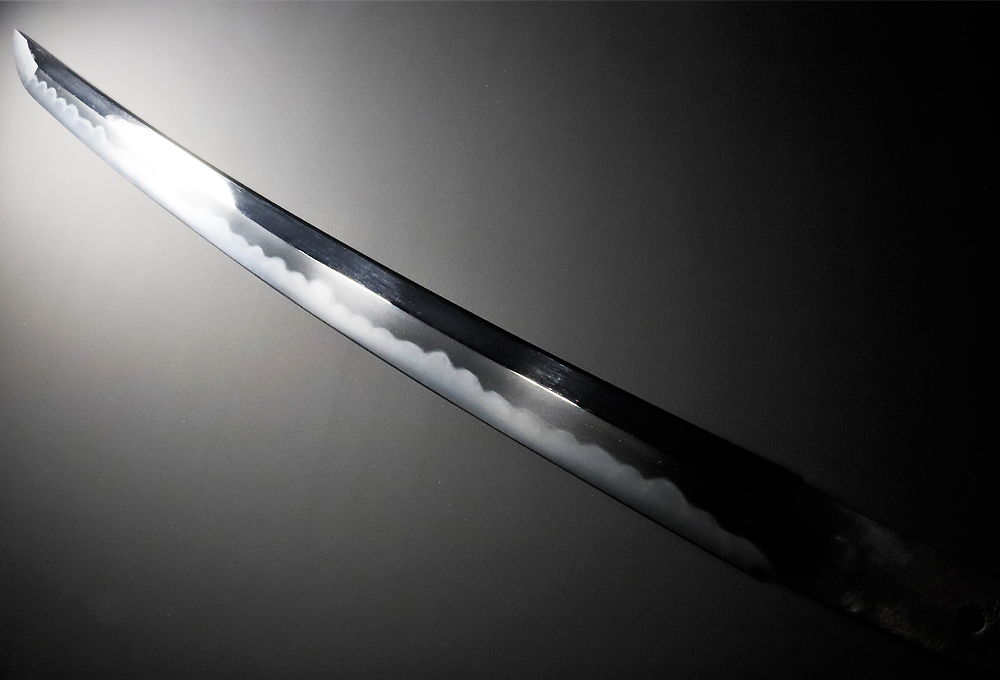
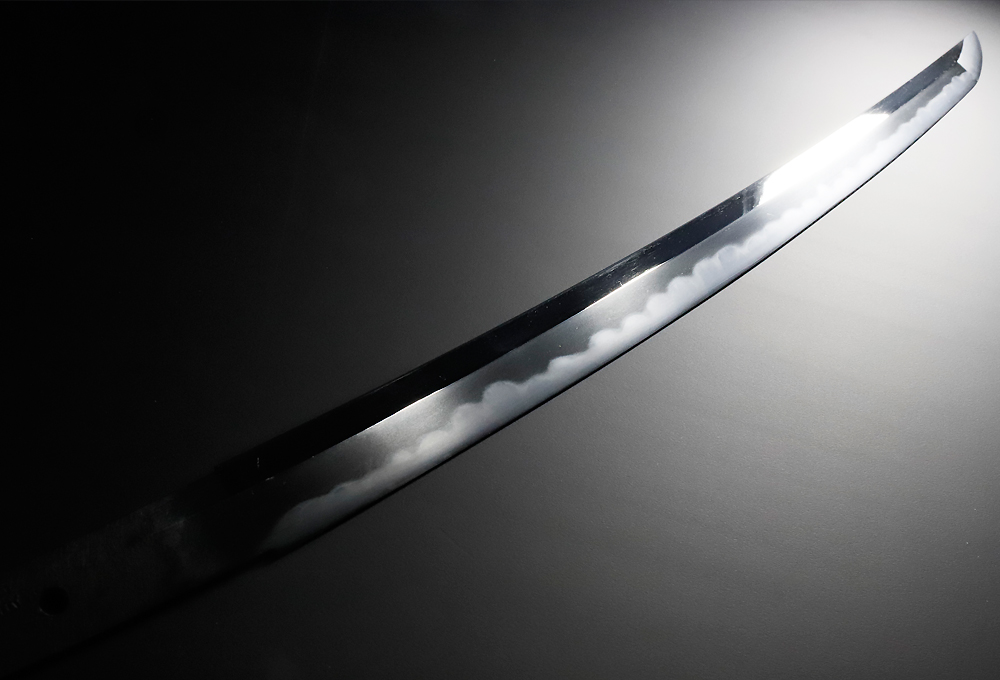
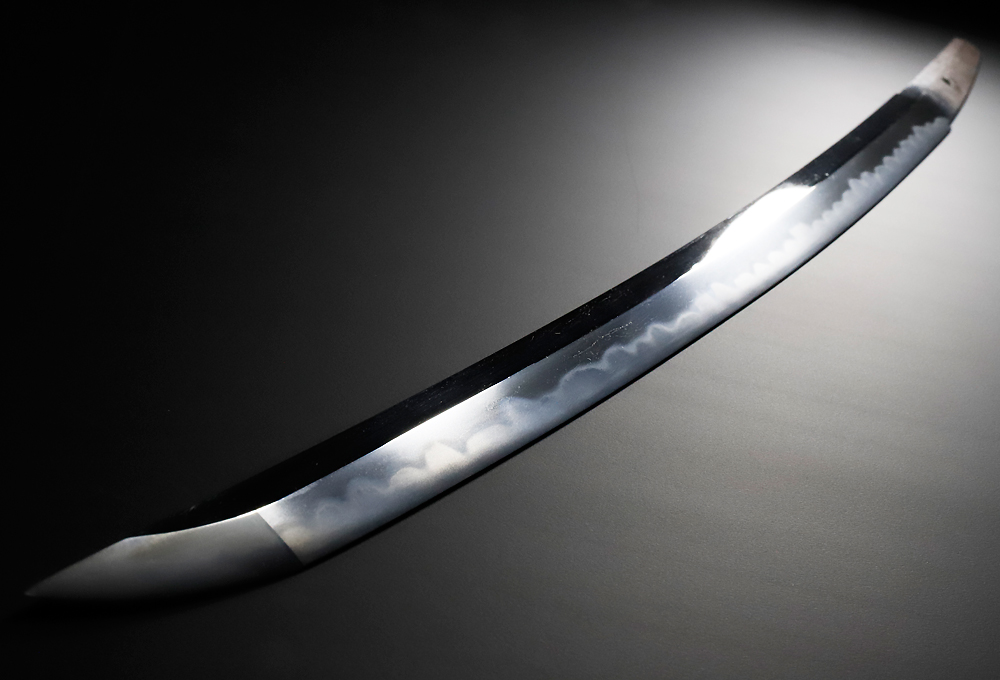
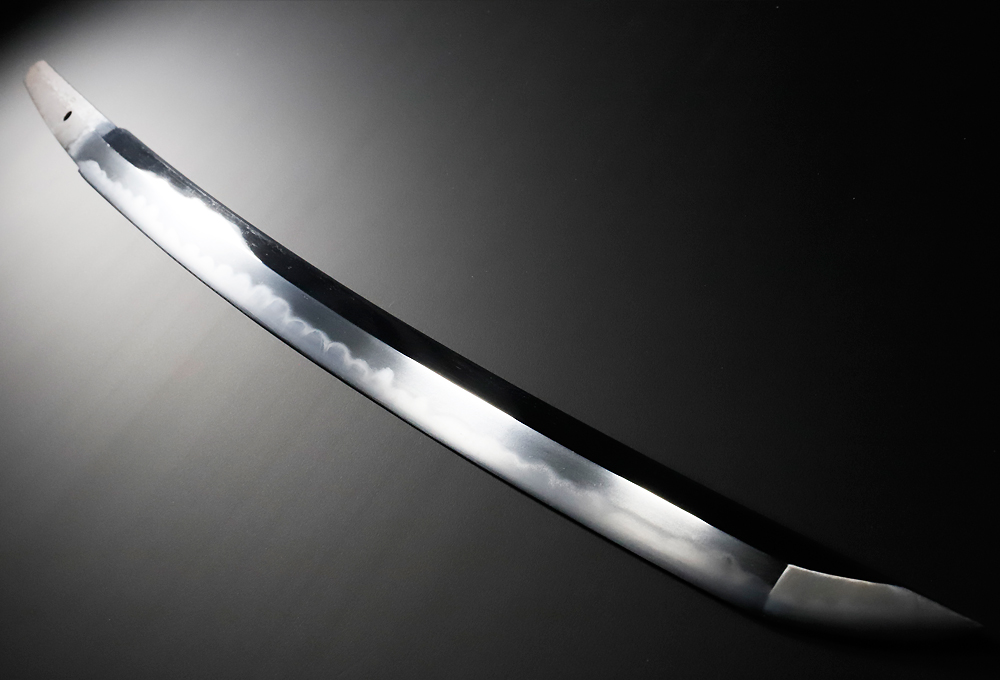
| Shape | Shinogi-zukuri with an iori-mune. Slightly elongated chu-kissaki with a somewhat slender fukura, well-proportioned mihaba, kasane, and sori, presenting a powerful and imposing shape. |
| Region | Shonai, Dewa Province |
| Era | Early Meiji Period |
| Length |
47.4 cm 18.7 in |
| Sori (curvature) |
0.9 cm 0.4 in |
| Motohaba |
2.9 cm 1.1 in |
| Sakihaba |
2.2 cm 0.9 in |
| Munekasane |
0.6 cm 0.2 in |
| Status | Hozon Token |
| Certification Date | December 01, 2025 |
| Registration Authority | Fukuoka Prefecture |
| Registration Date | May 01, 2025 |
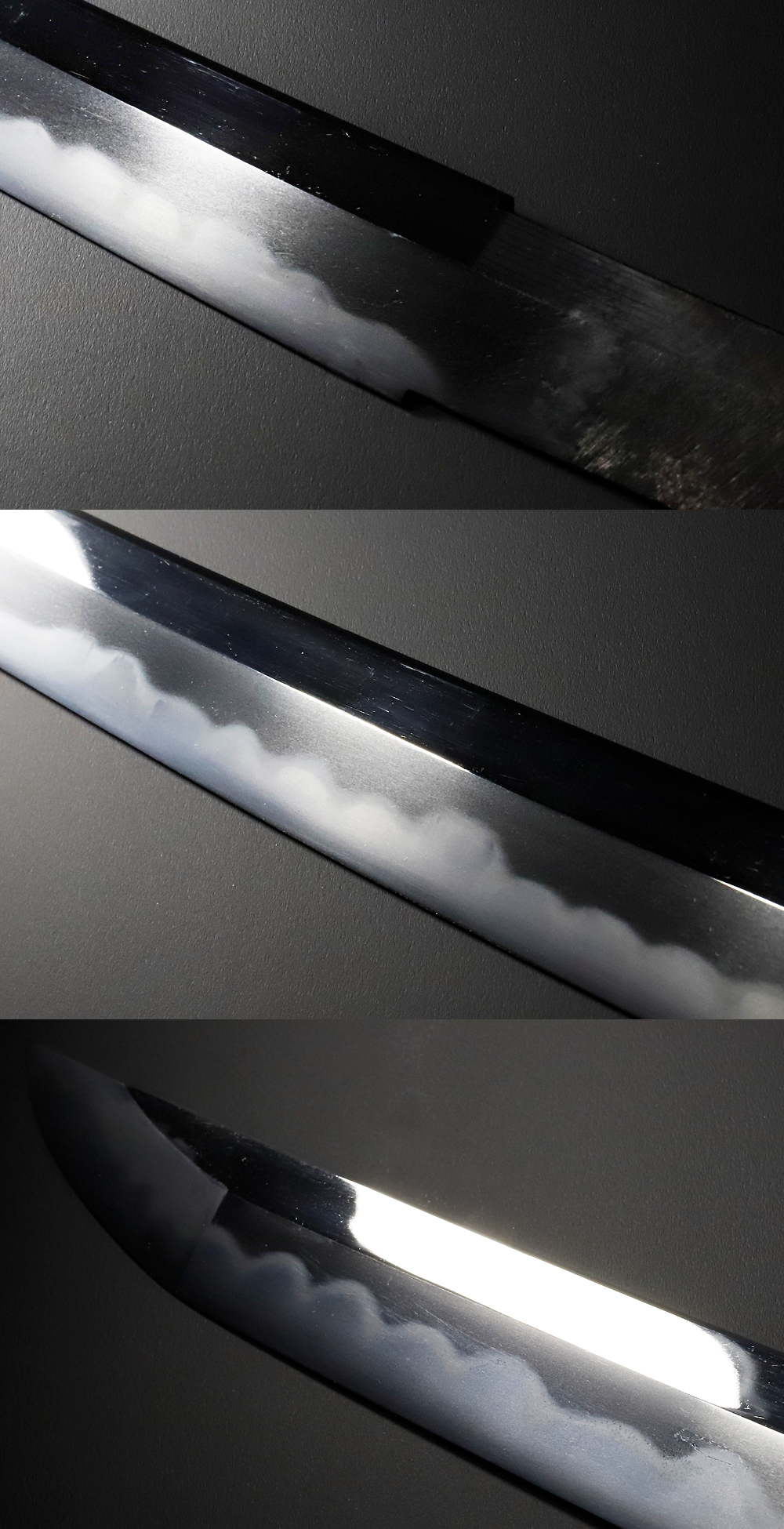
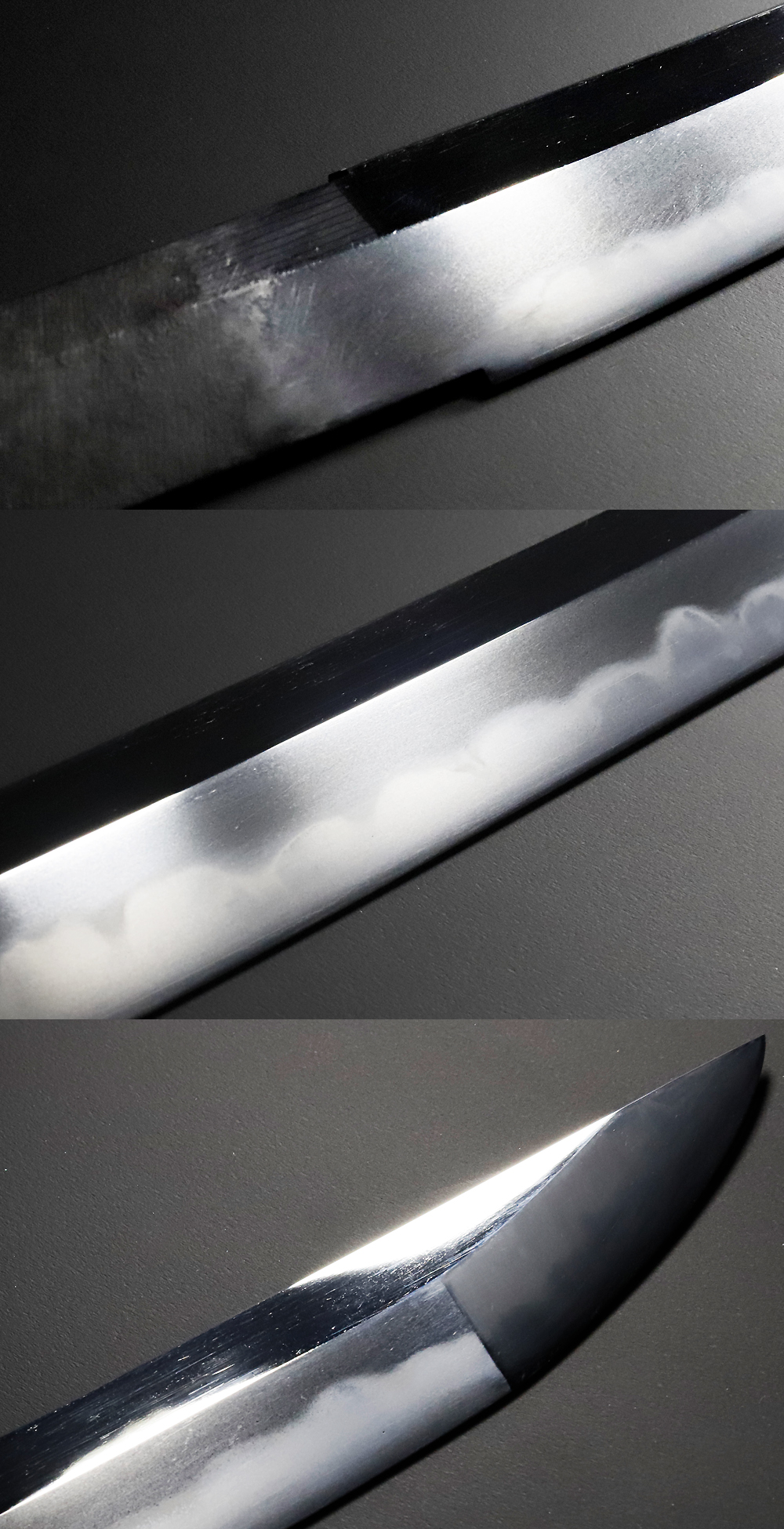
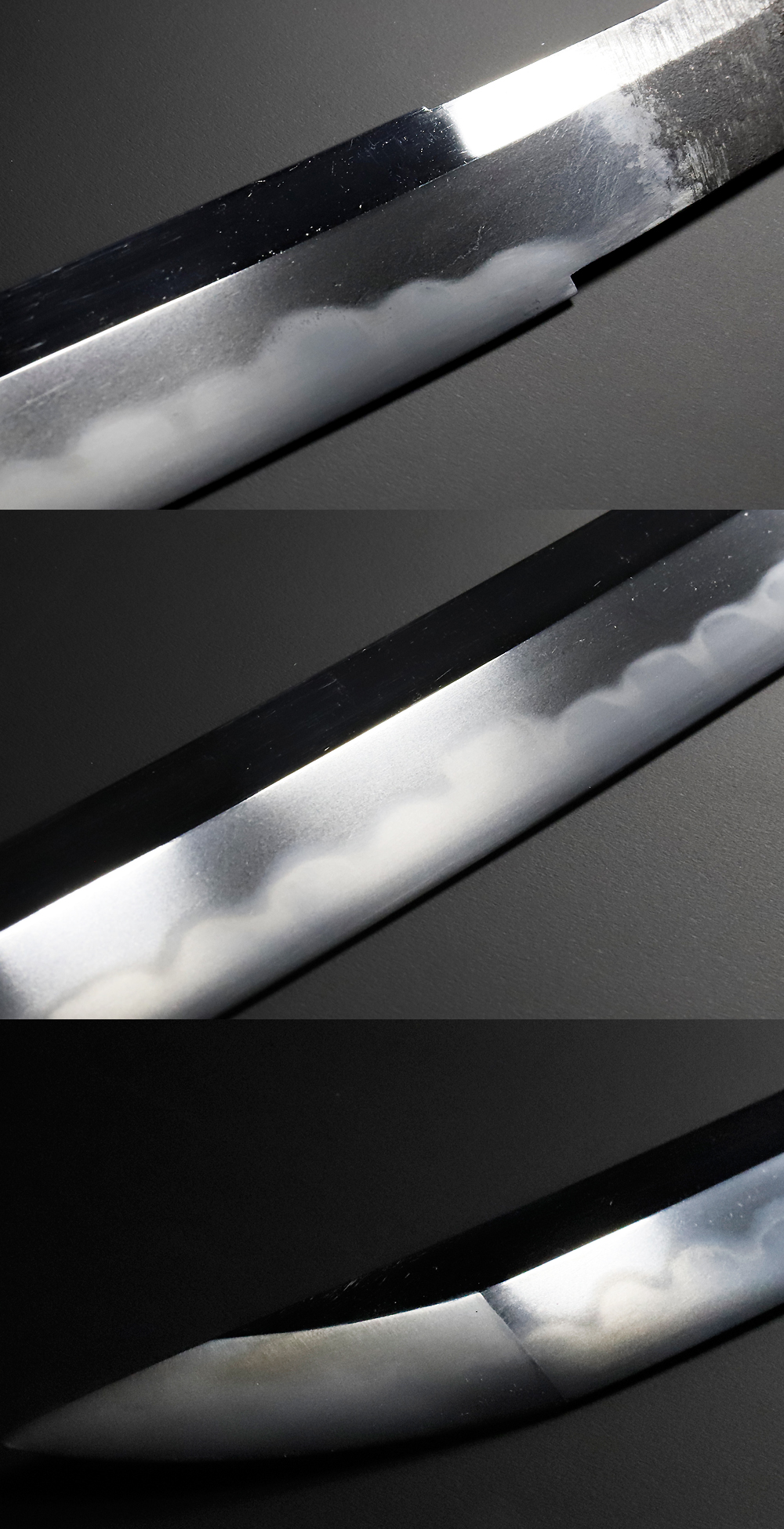
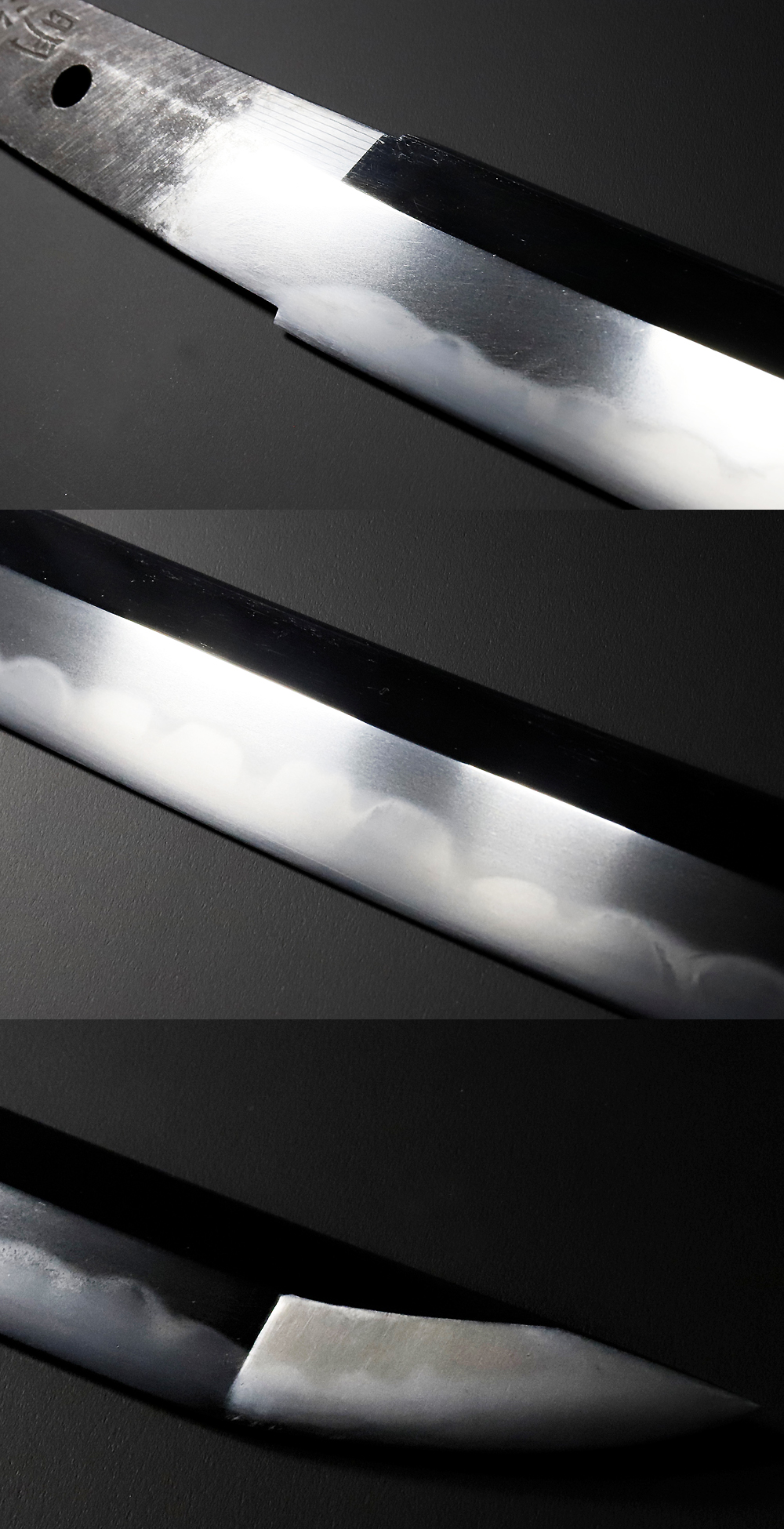
| Jihada (Metal pattern) | Fine, tightly forged ko-itame-hada, beautifully refined. |
| Hamon (Temper line) | Gunome-midare with many angular-shaped temper patterns. |
| Bōshi (Point / Tip) | Midare-komi, turning back in a somewhat pointed shape. |
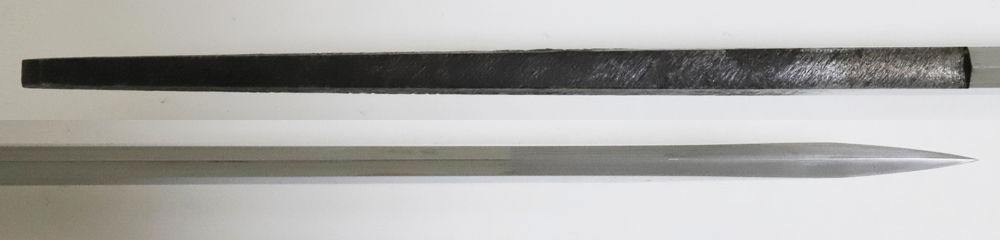
| Nakago (Tang) | Ubu (unaltered), with katte-sagari file marks and a kuri-jiri end. |
| Mekugiana (Rivet holes) | 1 |
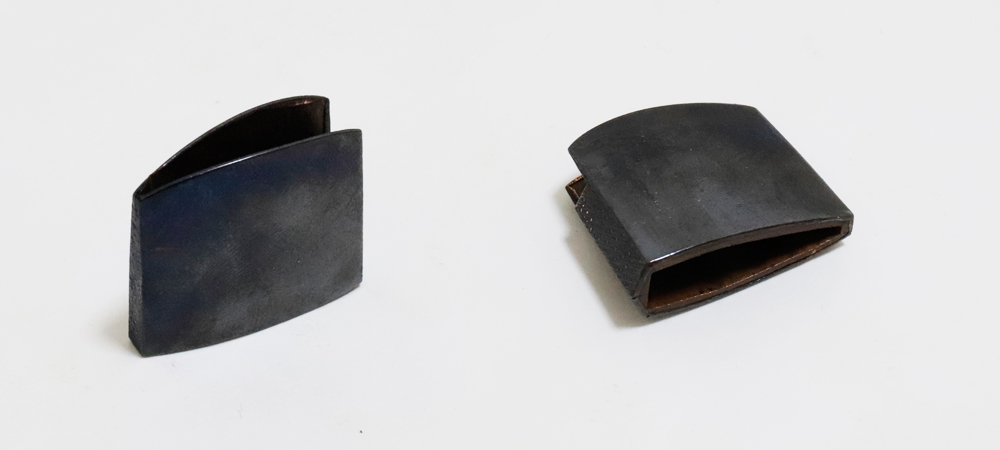
| Habaki | Copper base with shakudo foil. |
Price |
1,150,000 JPY |
| Buzen no Kami Kiyondo was a distinguished swordsmith of the Shinshinto period, active from the late Edo period through the early Meiji era. He was born in 1827 (Bunsei 10) in the Shonai region of Dewa Province. In 1852 (Kaei 5), he moved to Edo and became a disciple of the renowned swordsmith Minamoto Kiyomaro, known as the “Yotsuya Masamune,” from whom he learned exceptional sword-forging techniques. After his master's death, Kiyondo devoted himself to completing Kiyomaro's outstanding sword commissions and repaying the debts he had left behind. In 1867 (Keio 3), he received the honorary title of Buzen no Kami and also served as a swordsmith to the Shonai domain. This wakizashi was forged in August 1870 (Meiji 3), when Kiyondo was 44 years old and in his prime. It has a slightly elongated chu-kissaki with a somewhat slender fukura, and well-proportioned mihaba, kasane, and sori, presenting a refined yet powerful shape. The forging consists of finely and tightly forged ko-itame-hada, while the hamon displays a lively gunome-midare with numerous angular-shaped temper patterns. The boshi is midare-komi, turning back in a somewhat pointed shape, reflecting the distinctive characteristics of the Kiyomaro school. This fine wakizashi demonstrates Kiyondo's exceptional craftsmanship and his inheritance of the sword-making tradition of his master, Kiyomaro. The blade passed the NBTHK Hozon Token shinsa in 2025. |

 Search